
Cheese aging, or ripening, is the process of transforming raw milk into a variety of flavorful and aromatic varieties of cheese. It is a complex process that involves adding certain bacteria, enzymes, and other ingredients to the milk to create a unique flavor profile. During the aging process, cheese can be stored in various temperatures and humidity levels in order to create different results. The length of time the cheese is aged can also affect its flavor and texture.
Cheesemakers use various techniques to age their creations, including curing, pressing, waxing, brining, and smoking. This allows them to control the flavor development of the cheese as it ages. Curing involves exposing the cheese to salt or other preservatives in order to draw moisture out and promote mold growth. Pressing helps shape the cheese into a desired form while waxing seals it from outside air and moisture.
Brining involves soaking the cheese in a salt solution for several days in order to add flavor and texture. Smoking is used to add an extra layer of flavor by exposing it to wood smoke for a period of time. Each method has its own unique impact on the taste and texture of the finished product.Cheese aging is the process of allowing cheese to sit for a period of time before it is consumed. It is a critical step in the cheese-making process, as it helps to develop flavor and texture characteristics that are unique to each type of cheese. Cheese aging can occur naturally or be accelerated by using certain techniques. During the aging process, enzymes break down the proteins, fats and carbohydrates in the cheese, resulting in a variety of changes in flavor and texture. The length of time that cheese is aged will depend on the type of cheese being made. Harder cheeses typically require longer aging times than softer cheeses.
The environment in which the cheese is aged also plays an important role in how it develops. Cheeses can be aged at different temperatures, humidity levels and oxygen levels, depending on what type of flavor and texture characteristics are desired. Properly managing each environmental factor can help produce a high-quality product. Additionally, cheesemakers may choose to use certain types of bacteria or fungi to accelerate the aging process.
Cheese aging can take anywhere from several weeks to several months or even years, depending on what type of cheese is being made. The longer that a cheese ages, the more complex its flavor will become as additional enzymes work their magic on the proteins, fats and carbohydrates present in the cheese. By properly managing the environment and allowing enough time for proper aging, cheesemakers can create delicious products with unique characteristics that appeal to consumers.
Contents
The Process of Aging Cheese
Aging cheese is a process that requires both time and skill. The process starts with selecting the right cheese to age, which depends on the desired outcome. Once the cheese is chosen, it must be stored in a controlled environment, typically a cool and humid area, to prevent mold and other bacteria from growing on it. During the aging process, the flavor of the cheese will change as enzymes break down proteins and fats into smaller molecules. As the cheeses age, they also lose moisture, making them harder and developing their distinctive flavors. To ensure quality aging, cheeses must be monitored closely for any signs of spoilage or contamination. Once the desired level of aging is reached, cheese is ready for consumption or further processing.
Aside from providing flavor and texture depth to cheeses, aging also helps preserve them for longer periods of time without refrigeration. Cheesemakers use several methods to age their products including ripening in caves or cellars, washing with brine or specific bacteria solutions as well as waxing or wrapping in cloths. Each method has its own unique characteristics that will affect the flavor profile of the finished product.
The amount of time it takes to properly age a cheese can vary greatly depending on several factors including type of cheese, temperature and humidity levels during storage as well as length of aging period desired. In general softer cheeses require shorter aging periods while harder cheeses may take up to one year or more to reach their full flavor potential. With proper care and attention during the aging process, cheesemakers can create delicious products that will delight customers all around the world!
Types of Cheese for Aging
Aging cheese is a process that can take anywhere from several months to several years. There are many different types of cheese that are suitable for aging, each with its own unique flavor profile. Some of the most popular varieties include Cheddar, Gouda, Parmesan, and Blue cheeses.
Cheddar is one of the most common varieties of aged cheese and can be aged for anywhere from two months to two years. Cheddar is a sharp and tangy cheese that becomes more complex in flavor as it ages. It is often used as an ingredient in grilled cheese sandwiches or served as a snack on its own.
Gouda is another type of aged cheese that has a nutty, sweet flavor. It has a creamy texture when young and becomes harder and crumblier as it ages. Gouda can be aged for up to three years before it reaches peak flavor complexity. It is often served with fruit or on crackers as an afternoon snack.
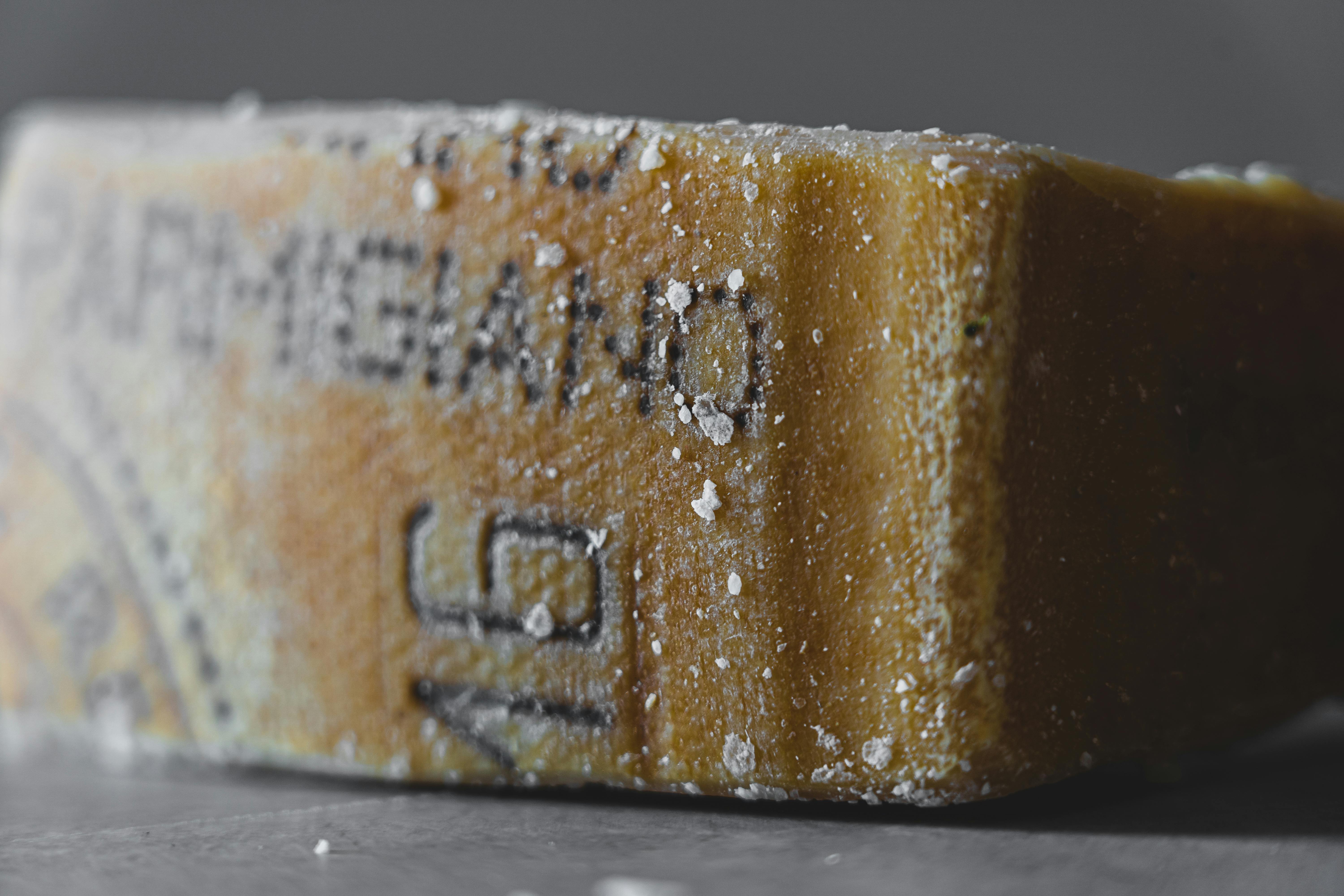
Parmesan is a hard, granular cheese that is best known for its sharp and salty flavor profile. It can be aged for up to five years and has a complex, nutty taste with hints of sweetness. Parmesan is commonly used as a topping for pasta dishes or salads, but can also be enjoyed on its own as part of an appetizer platter.
Finally, Blue cheeses are some of the oldest types of cheese in existence. They are often strong in flavor with notes of tanginess and sharpness that become more pronounced as they age. Blue cheeses such as Roquefort or Gorgonzola can be aged for up to five years before they reach peak maturity, making them perfect for adding complexity to salads or sandwiches.
In conclusion, there are many different types of cheeses that are suitable for aging and each variety offers its own unique flavor profile depending on how long it has been aged for. From mild Cheddars to pungent Blue cheeses, there’s something out there to please every palate!
Benefits of Aging Cheese
Aging cheese is a process that has been around for centuries, and it has numerous benefits to the final product. The aging process can help develop the flavor, texture, aroma and color of a cheese, making it one of the most important steps in producing cheese. Here are some of the benefits of aging cheese:
- Increased Flavor: As cheese ages, certain enzymes break down proteins and fats into simpler compounds that create complex flavors. The longer a cheese is aged, the more intense its flavor becomes.
- Improved Texture: Aged cheeses become firmer and more crumbly as time passes. This not only changes the texture of a cheese but also makes it easier to cut and serve.
- Enhanced Aroma: As cheese ages, certain bacteria cause changes in the aroma and flavor profile. This gives aged cheeses their distinctive smell.
- More Colorful Appearance: Aging can also cause changes in the appearance of a cheese. For example, mature cheddar cheeses tend to be yellow or orange in color due to carotenoid pigments present in the milk used to make them.
Aging cheese is an important step in producing quality products that have rich flavor profiles, improved textures and vibrant colors. With these benefits, it’s no wonder why aging is such an integral part of cheesemaking!
Genetics
Genetics plays a significant role in the aging process, influencing the rate at which one ages and their longevity. Genes affect how well our bodies function, as well as how efficiently they can repair themselves over time. We inherit different genetic variants from our parents that can influence the production of hormones, proteins, and other substances that all play a role in aging. Genetic variations also affect our health conditions and lifestyle choices, which can lead to different rates of aging.
Lifestyle Factors
The way we live our lives has a direct impact on how quickly we age. Unhealthy habits like smoking, excessive drinking, and lack of exercise can cause accelerated aging. Pollution and stress also contribute to premature aging, as do inadequate nutrition or sleep deprivation. On the other hand, healthy lifestyle habits like regular physical activity and a balanced diet can help slow down the process of aging.
Environmental Factors
Our environment has a great effect on how we age. Exposure to environmental toxins like air pollution or ultraviolet radiation from the sun can accelerate the skin’s aging process by damaging cells and tissues. Additionally, living in an area with poor air quality or high levels of radiation can increase our risk of health complications that may cause accelerated aging.
Hormones
Hormones play an important role in regulating metabolic processes throughout life. As we age, hormone levels naturally decline, leading to changes in metabolism that can affect our physical appearance and mental wellbeing. This decrease in hormones is believed to be one of the major contributors to the signs of aging such as wrinkles and grey hair.

The Different Stages of Cheese Aging
Cheese aging is a complex process that involves a range of different variables. Depending on the type of cheese, the aging process can last anywhere from days to years. The length of time and type of aging will determine the flavor and texture of the cheese. Here are some of the most common stages for cheese aging:
Fresh Cheese
Fresh cheese is aged for only a few days or weeks and is generally quite soft and mild in flavor. Examples include ricotta, mozzarella, and cottage cheese. Its short aging period leaves it creamy in texture but lacking in complexity or depth in flavor.
Soft Ripened Cheese
Soft ripened cheeses are left to age for a few weeks to several months before being sold. During this time, they develop a rind that’s soft and creamy on the inside while remaining firm on the outside. This type of cheese has a more complex flavor than fresh cheese and tends to be slightly tangy, nutty, or buttery depending on the variety. Camembert and Brie are two popular types of soft ripened cheeses.
Semi-Hard Cheese
Semi-hard cheeses are aged for several months or up to one year before being sold. During this time, they develop an edible rind that’s thick but still malleable when pressed with your finger. These cheeses have a much stronger flavor than fresh or soft ripened cheeses with notes of caramel, nuts, or butter depending on the variety. Cheddar and Gouda are two popular types of semi-hard cheeses.
Hard Cheese
Hard cheeses are aged for at least one year before being sold but can also be aged for up to several years depending on the variety. During this time, they develop an edible rind that’s hard and dry when pressed with your finger. These cheeses have an intensely flavorful taste with notes of nuts, caramel, or spices depending on the variety. Parmesan and Pecorino Romano are two popular types of hard cheeses.
Temperature and Humidity During the Aging Process
The aging process of wine requires specific conditions in order to produce the best results. Temperature and humidity levels must be carefully monitored at all times to ensure the health and quality of the wine. Temperature is a key factor when it comes to aging, as too high of a temperature can cause the wine to spoil, while too low of a temperature can prevent it from maturing properly. The ideal temperature for aging wine ranges from 55-65°F (12-18°C).
Humidity is also important when it comes to aging wine, as it helps keep the cork moist and prevents it from drying out or shrinking. This can lead to oxidation, which will ruin the flavor of the wine. The ideal humidity level for aging wine is between 50-80%. It is important to keep these levels consistent throughout the entire aging process in order to ensure optimal flavor and quality of your wine.
By closely monitoring both temperature and humidity levels during the aging process, you will be able to create a high-quality product that will age gracefully. This means that you will be able to get more out of your wines as they continue to develop over time. It also ensures that your wines will remain at their peak flavor for longer periods of time, so you can enjoy them for years after they have been bottled.
Tools Needed for Properly Aging Cheese
Aging cheese can be a rewarding and complex experience. To properly age cheese, one must have the proper tools to ensure a successful aging process. Having the right tools can make the difference between a delicious aged cheese and an unpleasant, over-aged one. The following list of tools are essential for properly aging cheese:
- Cheese Cave or Cheese Refrigerator: A cheese cave or refrigerator is essential for maintaining consistent humidity and temperature levels while aging your cheese. These must be large enough to accommodate the size of your cheeses and must be able to maintain a consistent range of temperature and humidity levels.
- Cheese Wax: Cheese wax helps to keep moisture in while also providing a barrier against mold growth. Waxing prevents the surface from drying out, allowing it to develop flavor.
- Cheese Brine: Brining is an important step in the aging process as it helps to develop flavor and texture as well as preserve the cheese. The brine should be changed often as it will become contaminated with bacteria from the aging process.
- Cheese Molds: Molds help give your cheese shape, texture, and flavor. They can also help protect the surface from drying out and developing mold growth.
- Cheese Boards: Cheese boards provide an ideal surface for cutting, slicing and serving your cheeses. They should be made of an appropriate material that won’t impart off flavors or colors into your cheeses.
These are just some of the essential tools needed when properly aging cheese. With these tools, you can ensure that you get the best possible results when it comes to aging your favorite cheeses!
Conclusion
Cheese aging is an important part of the cheese-making process. Aging not only helps to develop the flavor and texture of cheese, but also increases its shelf life. The process of aging can be done in a variety of ways, from natural aging in a cheese cellar to temperature-controlled aging rooms. In all cases, the key to successful aging is to maintain the appropriate temperature and humidity level for the particular type of cheese being aged. Properly aged cheese can provide consumers with a unique flavor experience that is unlike any other type of food.
No matter what type of cheese you enjoy, it is important to remember that it has gone through an extensive aging process that requires careful attention and control in order to achieve the desired flavor and texture. By understanding how cheese is aged, consumers can make better decisions when it comes to selecting and enjoying their favorite cheeses.
0 Comments