
Sana is a type of natural, edible gum derived from the sap of the Acacia tree. It has a unique texture and flavor that makes it a popular ingredient in both cooking and baking.
When used in cooking, sana can be used as a thickener for sauces, stews, soups and curries. It can also be roasted and ground into a powder to be used as a seasoning or flavoring agent. In baking, sana can be used as an egg substitute to give baked goods extra moistness and stability. It can also be used to add texture to cakes, cookies and other baked goods.Sana is a cloud-based, all-in-one digital healthcare platform that provides an end-to-end solution for telemedicine. It focuses on providing seamless and secure communication between medical teams, patients, and healthcare providers. Sana is designed to be an easy to use platform that helps improve patient care and streamline healthcare operations.
The platform offers features such as secure video conferencing, appointment scheduling, patient health records management (PHR), medical billing and coding, e-prescribing, and more. It also integrates with other software solutions like electronic health records (EHR) systems and patient portals. With its comprehensive set of features, Sana helps healthcare providers deliver better care to their patients while also making it easier for them to manage their practice.
In addition to its core offering, Sana also offers a range of additional services such as remote monitoring capabilities, patient engagement tools, analytics tools, digital consultation tools, and more. These services help healthcare providers engage with their patients more effectively while providing them with the insights they need to make better decisions about their care.
Sana is committed to helping improve the quality of healthcare by providing innovative technology solutions that are tailored to meet the needs of both patients and providers alike. By leveraging its cloud-based platform and integrated services, Sana enables healthcare organizations of all sizes to deliver improved care outcomes at lower costs.
Contents
Sana’s Origins and History
Sana is a given name that has its origins in many languages, including Arabic, Persian, Turkish, and Hebrew. Its usage has been documented as far back as the 10th century CE in the works of famous scholars such as Ibn al-Nadim and Ibn Qutaybah. The meaning of the name varies depending on context, but most commonly it means “brilliant” or “radiant”.
In Arabic-speaking countries, Sana is a popular female given name that has been used for centuries. It is especially common in Yemen and Saudi Arabia, where it is often spelled as Sanah. In recent years, it has become popular among other Arab countries such as Iraq and Algeria as well.
In Persian-speaking countries such as Iran and Afghanistan, Sana is also a popular female given name. It has been used since at least the 16th century CE in works by poets such as Hafez and Saadi Shirazi. The meaning remains the same in Persian – “radiant” or “brilliant” – but is sometimes translated to mean “beautiful” instead.
Sana is also a common female given name in Turkey and other Turkic-speaking countries such as Azerbaijan. It was first documented in the 15th century CE in works by poets like Baki and Fuzuli. In Turkish, the name translates to mean “beauty” or “graceful”.
In Hebrew culture, Sana (or Shana) is a popular female given name that means “beautiful” or “graceful”. It has been used since at least the 19th century CE by Jewish communities around the world, including those living in Israel today.
Overall, Sana is an ancient female given name with origins and meanings spanning multiple cultures around the world. Its popularity has grown steadily over time, making it one of the most widespread names used today both inside and outside of its original cultures of origin – a testament to its timeless beauty!
Different Types of Sana
Sana is a powerful and versatile AI-driven platform that provides enterprise-level capabilities to organizations in the data management and analytics space. It offers a variety of options for businesses to customize their data platform, according to their needs. These include cloud-native solutions, on-premise solutions, and hybrid solutions.
Cloud-native solutions are designed for organizations that need quick deployment and scalability with minimal operational overhead. They offer flexibility in terms of resource utilization, enabling businesses to quickly scale up or down as needed. Cloud-native solutions are also highly cost-effective and provide access to the latest technologies.
On-premise solutions are best suited for organizations that want full control over their data platform. They allow businesses to manage their own data infrastructure in addition to having access to the most advanced technologies available. On-premise solutions are more expensive than cloud-native options but they offer a higher level of control and customization.
Hybrid solutions combine the best of both cloud-native and on-premise capabilities. They offer a mix of cost efficiency, scalability, control, and security which makes them ideal for organizations looking for an agile solution with high performance. Hybrid solutions also enable businesses to easily integrate existing legacy systems into the new platform, allowing them to maximize their investments in existing technologies while taking advantage of the latest advancements in data management and analytics technology.
In summary, Sana offers a wide range of options for businesses looking for enterprise-level capabilities in data management and analytics platforms. From cloud-native options for quick deployment with minimal operational overhead, on-premise options for complete control over data infrastructure, or hybrid offerings that combine both – Sana provides businesses with powerful tools to customize their data platforms according to their specific requirements.
Uses of Sana in Cooking and Baking
Sana is a type of flour made from the grains of wheat. It is commonly used in Middle Eastern and North African cooking and baking. Sana has a unique flavor that makes it an excellent choice for breads, cakes, pastries, and other baked goods. It is also used to thicken sauces, gravies, and soups.
Sana is high in protein and dietary fiber, making it a healthier alternative to other types of flour. It also has a mild nutty flavor that adds depth to recipes. Sana can be used as an all-purpose flour in recipes that call for wheat flour or as a substitute for white flour when baking.
When using sana in baking, it’s important to note that the texture will be different than using regular white or wheat flour. Sana produces a slightly denser texture than all-purpose flour, so recipes may need to be adjusted accordingly. Additionally, sana absorbs more liquid than regular flours so recipes may need to be adjusted accordingly as well.
Sana can also be used in savory dishes such as falafel or kibbeh balls. It can be used to make dough for flatbreads or added to soups and stews to thicken them up. The nutty flavor of sana pairs especially well with Middle Eastern flavors like cumin, coriander, garlic, and lemon juice.
Overall, sana is an excellent addition to any kitchen pantry due to its versatility and unique flavor profile. Whether you are looking for a healthy alternative to all-purpose flour or just want something new to experiment with in the kitchen, sana is definitely worth trying out!
Storing Sana Properly
Sana is a type of fermented soybean paste, and it should be stored properly in order to maintain its flavor and texture. The best way to store sana is in an airtight container in a cool, dry place. It should not be exposed to direct sunlight or extreme temperatures, as this can cause it to spoil. It should also be kept away from strong odors, as the flavor of sana can be easily altered by outside smells.
When it comes to freezing sana, the process is slightly different than for storing it at room temperature. Before freezing sana, it should be transferred into an airtight container and covered with plastic wrap. This helps to keep the flavor of the sana intact while also preventing freezer burn. After it has been sealed tightly, it can then be placed in the freezer for up to three months. When ready to use, thaw out the frozen sana slowly on the countertop or in the refrigerator overnight before using.
It is important to remember that sana needs oxygen in order to ferment properly and develop its flavor. Therefore, when storing sana at room temperature or freezing it, make sure that there is some space between the lid and the surface of the sana itself so that oxygen can still get through. This will help ensure that your sana remains fresh and flavorful for as long as possible!
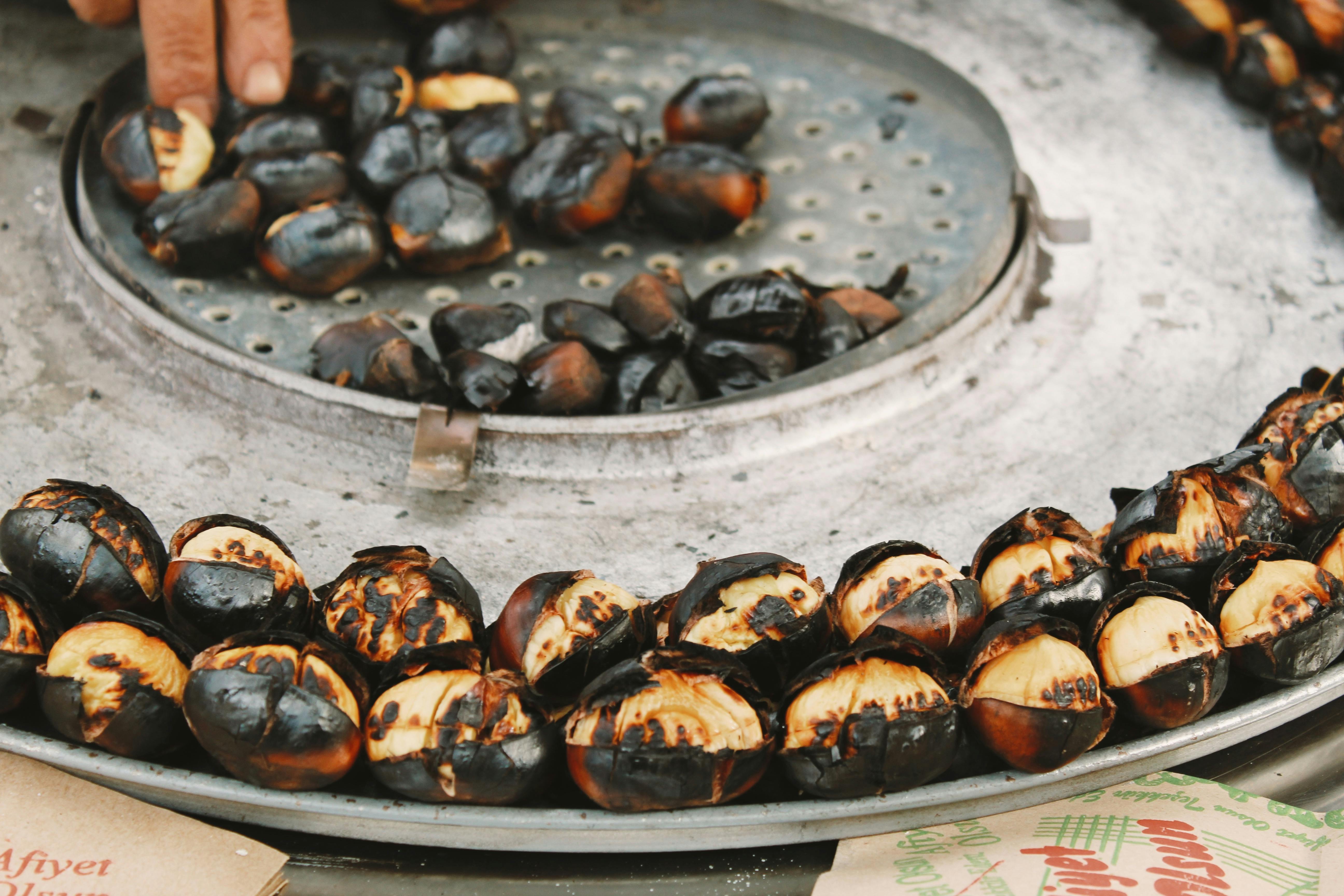
The Health Benefits of Eating Sana
Eating Sana is a healthy and delicious way to improve your overall health and well-being. Sana is a plant-based superfood that is packed with nutrient-rich ingredients. It contains essential vitamins, minerals, and antioxidants that can help support a healthy immune system. It also contains high amounts of dietary fiber, which can help keep your digestive system running smoothly. Additionally, Sana can provide you with many other health benefits, such as:
• Improved Heart Health: Sana is rich in omega-3 fatty acids, which are known to reduce the risk of heart disease and stroke. Additionally, its high fiber content helps to reduce cholesterol levels and improve overall cardiovascular health.
• Weight Loss: Studies have shown that people who eat Sana on a regular basis tend to lose weight more quickly than those who do not. This is likely due to its high fiber content, as fiber helps to keep you feeling fuller for longer periods of time.
• Reduced Risk of Certain Cancers: Sana has been linked to reducing the risk of certain types of cancer, including prostate cancer and breast cancer. This is likely due to its high antioxidant content and its ability to boost the body’s natural defenses against free radicals.
• Improved Mental Health: Eating Sana has been linked with improved mental clarity and focus. Its high levels of omega-3 fatty acids are known to help reduce stress levels, while its antioxidants can help protect your brain from oxidative damage caused by free radicals.
Overall, eating Sana can be an excellent addition to any diet or lifestyle regimen. Not only will it provide you with many health benefits in the long run, but it also tastes great too! So go ahead and add some Sana into your daily routine today!
0 Comments