
How to choose the best tropical juice for you?
Pick tropical juice by reading the label: look for one labeled 100% juice with no added sugar, check the sugar per serving, and keep the amount small. The NHS says unsweetened juice and smoothies are sugary and should be limited to 150 ml a day in total, with meals, and count as only one of your 5 A DAY.
Free download
Juice, Soda and Water Storage Chart (PDF): How long juice, soda, coconut water and bottled water last, opened and unopened. 19 rows, each with its source.
Thank you
Your chart is ready
We use your email only for this download.Also free:
Home Bar Storage Chart (PDF)Milk and Dairy Storage Chart (PDF)Coffee, Tea and Hot Drinks Storage Chart (PDF)Drink Strength, Calories and Units Cheat Sheet (PDF)Want the full pack? About 10 printable sheets: a larger chart for each drink type, a “has it gone off?” checklist, date labels, a party planner and an inventory sheet.
In this article
How do you choose a tropical juice?
Start with the front of the pack, then check the back. Names are not regulated the same way everywhere, so the ingredient list matters more than the picture of fruit.
| Label wording | What it usually means |
|---|---|
| 100% juice | Only fruit juice, with no added sugar or sweeteners. Check that nothing else is listed |
| From concentrate | Juice that was concentrated and then diluted with water; still can be 100% juice |
| Not from concentrate | Juice pressed and packaged without concentrating |
| Juice drink, nectar or cocktail | Often a mix of some juice, water and sweeteners; the juice share can be low, so read the percentage |
What should you check?
- Juice percentage: higher means more real fruit.
- Sugars: compare the grams of sugar per serving. Remember even 100% juice contains sugar.
- Added sweeteners or syrups: listed in the ingredients; avoid them if you want a simple juice.
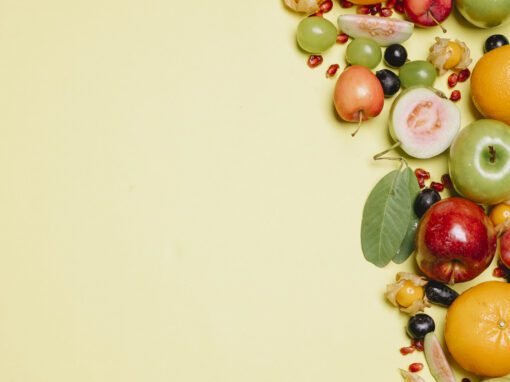
- Fruit blend: mango, pineapple, passion fruit, guava, papaya and orange are common. Choose the flavors you like; they differ in sweetness and tartness.
- Vitamin C added: sometimes added; listed on the label.
How much should you drink?
The NHS says that crushing fruit into juice releases its sugars, which can damage teeth, and that even unsweetened juice and smoothies are sugary. It recommends limiting juice and smoothies to a combined total of 150 ml a day, drunk at mealtimes and not as a between-meal snack. They count as a maximum of one portion of your 5 A DAY. The NHS also counts the sugars in unsweetened fruit juice as free sugars, with an adult limit of 30 g of free sugars a day.
Fresh, frozen or whole fruit instead?
Whole tropical fruit gives you the fiber and takes longer to eat. If you like the taste, try diluting juice with sparkling water, or blend a small amount of juice into a smoothie with whole fruit.
Which is best for kids?
Ask your pediatrician or health visitor for advice on young children’s juice.
Storage
Unopened juice keeps as the date on the pack; opened juice should be refrigerated and used within the time on the label.
People also ask
How much fruit juice is OK per day?
The NHS recommends a combined total of no more than 150 ml of fruit juice and smoothies a day, ideally with meals.
Is 100% tropical juice healthy?
It has no added sugar, but the sugars in juice still count as free sugars, so keep portions small and enjoy whole fruit too.
What is the difference between juice and juice drink?
Juice is made from fruit only. A juice drink or nectar often contains water and sweeteners with a smaller share of juice; read the percentage on the label.
Sources
About · How we verify this · Editorial policy · Corrections
What would help you most next?
One tap. Anonymous. It helps us decide what to build.
Thank you. The free charts above are yours to keep.