
Knowing whether or not your milk has gone bad is important for ensuring your health and safety. Spoiled milk can cause food poisoning, so it’s important to identify when it has gone bad. If you suspect that your milk has soured, there are a few easy ways to tell if it has gone bad.
Smell: The most obvious sign of spoiled milk is a sour smell. This is usually the result of lactic acid produced by bacteria in the milk. If you notice a sour smell when you open the container, the milk has likely soured.
Taste: If you’re unsure about the smell, taste a tiny amount of the milk. Spoiled milk will have a distinct sour taste that is unpleasant and unmistakable. If you notice this taste, it’s best to discard the milk.
Appearance: Spoiled milk may also appear discolored or have visible lumps in it. It might also appear thicker than usual due to the presence of bacteria. Do not drink spoiled milk as it may make you ill.Soured milk is milk that has gone through the process of souring, which causes it to become thick, acidic and acidic smelling. Souring is a natural process caused by the bacteria that break down milk’s lactose into lactic acid. This acidification of milk gives it a sour taste, texture and smell. It can be used to make cheese, yogurt and other dairy products due to its thick consistency and flavor.
Soured milk is also known as ‘clabbered’ or ‘cultured’ milk. It is made by adding a bacterial culture to fresh cow’s milk or other non-dairy milks such as almond or soy. The culture is typically made up of lactic acid bacteria such as Lactobacillus acidophilus or Lactococcus lactis. The bacteria consume the lactose in the milk and produce lactic acid, which makes the milk more acidic and gives it its distinct flavor.
Soured milk can be used in various recipes such as pancakes, scones, custards and ice cream. It can also be used in sauces and soups for added flavor depth. It can also be enjoyed on its own as a drink or with cereal or fruit. Soured milk is rich in calcium, protein and other essential vitamins and minerals making it an excellent addition to any diet.
Contents
Signs That Soured Milk Has Gone Bad
Soured milk is not safe to drink, so it’s important to be able to recognize the signs that it has gone bad. Here are some of the most common signs that soured milk has spoiled:
- The smell of the milk is off or sour
- The consistency of the milk is thicker than usual
- The color of the milk is different from its original color
- The taste of the milk is sour or off
If you notice any of these signs, it’s best to discard the soured milk rather than trying to use it. It’s not recommended to consume spoiled food as it can make you sick. If you happen to drink soured milk, watch for symptoms like nausea, vomiting, and diarrhea. These are all signs that your body may be reacting negatively to spoiled food.
It’s also important to note that soured milk may not always look, smell, or taste off right away. It may take some time before any signs appear. To ensure your safety, always check expiration dates and inspect any opened containers of dairy products before consuming them.
How to Handle Soured Milk
Soured milk can be a challenge to deal with, but there are some simple steps you can take to make sure it is safely disposed of. First, it’s important to identify whether or not the milk is still safe for consumption. If it smells sour and has the consistency of yogurt, it should be discarded. However, if it has a slight off odor and slightly thicker consistency than normal, it may still be safe for consumption. To be sure, smell and taste a small amount before consuming.
If the milk is sour enough that you don’t want to consume it, there are several ways you can dispose of it safely:
- Pour the soured milk down the sink drain and rinse with hot water.
- Mix a small amount of bleach with warm water and pour over the soured milk in the sink.
- Add 1 cup of baking soda to the soured milk in order to neutralize any odor.
- Mix a small amount of vinegar with warm water and pour over the soured milk in the sink.
Once you have disposed of your soured milk properly, make sure you clean all surfaces that were exposed to prevent cross contamination. Clean any containers or utensils that were used with hot soapy water and rinse thoroughly. Finally, make sure that your refrigerator or other storage area is kept clean so that any other food items will not become contaminated from bacteria from spoiled foods.
By following these simple steps you can easily handle soured milk and avoid potential food safety issues.
Different Types Of Soured Milk
Soured milk is a fermented dairy product created by allowing bacteria to convert the lactose in milk into lactic acid. This acidification process gives soured milk its sour taste and thick texture. There are several different types of soured milk, each with their own unique flavor and texture.
One common type of soured milk is yogurt, which is created by combining pasteurized cow’s or goat’s milk with active cultures of bacteria. The bacteria ferments the lactose in the milk, creating a thick and creamy texture and slightly tart flavor. Traditional yogurt can be enjoyed plain or sweetened with sugar, honey, or fruit preserves.
Buttermilk is another popular type of soured milk that has a tangy flavor and thick consistency. It is made by culturing regular cow’s milk with special strains of lactic acid bacteria, resulting in a slightly sour taste similar to yogurt. Buttermilk is often used as an ingredient in baking recipes as it helps to leaven breads and cakes while adding moisture and sweetness.
Kefir is another variety of soured milk that originates from Eastern Europe and Central Asia. It has a tart flavor with a slightly carbonated texture due to fermentation process involving kefir grains. Kefir grains are made up of lactic acid bacteria, yeasts, proteins, lipids, and polysaccharides which help create the unique flavor that kefir has become known for.
Finally, cultured buttermilk is also popular among soured milks. This type of buttermilk goes through two different fermentation processes – first it undergoes lactic acid fermentation then it undergoes acetic acid fermentation – resulting in an even tangier flavor than traditional buttermilk. Cultured buttermilk also has a thicker consistency than regular buttermilk due to the additional fermentation process.
Whether you prefer traditional yogurt or cultured buttermilk, there are plenty of delicious options when it comes to soured milks! Each variety offers its own unique flavor profile so it’s important to experiment until you find the one that best suits your taste buds!
Best Practices For Storing Soured Milk
Soured milk is a common ingredient in many recipes and can be stored for several weeks if done correctly. Proper storage and handling of soured milk can help to preserve its taste and texture. Here are some best practices for storing soured milk:
Temperature: Soured milk should be kept at a temperature between 40-45 degrees Fahrenheit (4-7 degrees Celsius). If stored at temperatures higher than 45 degrees, bacteria can grow rapidly, resulting in spoilage.
Container: Always store soured milk in an airtight container such as a Mason jar or glass bottle. Plastic containers should also be used with caution, as they can absorb odors and flavors from other foods stored in the same refrigerator.
Shelf Life: Soured milk will remain safe to eat for up to four weeks when stored properly. After that, it should be discarded.
Smell Test: Before using soured milk, do a smell test to make sure that it has not spoiled. If the smell is sour or off-putting, discard the milk immediately.
By following these best practices for storing soured milk, you can ensure that your recipes turn out perfectly every time.
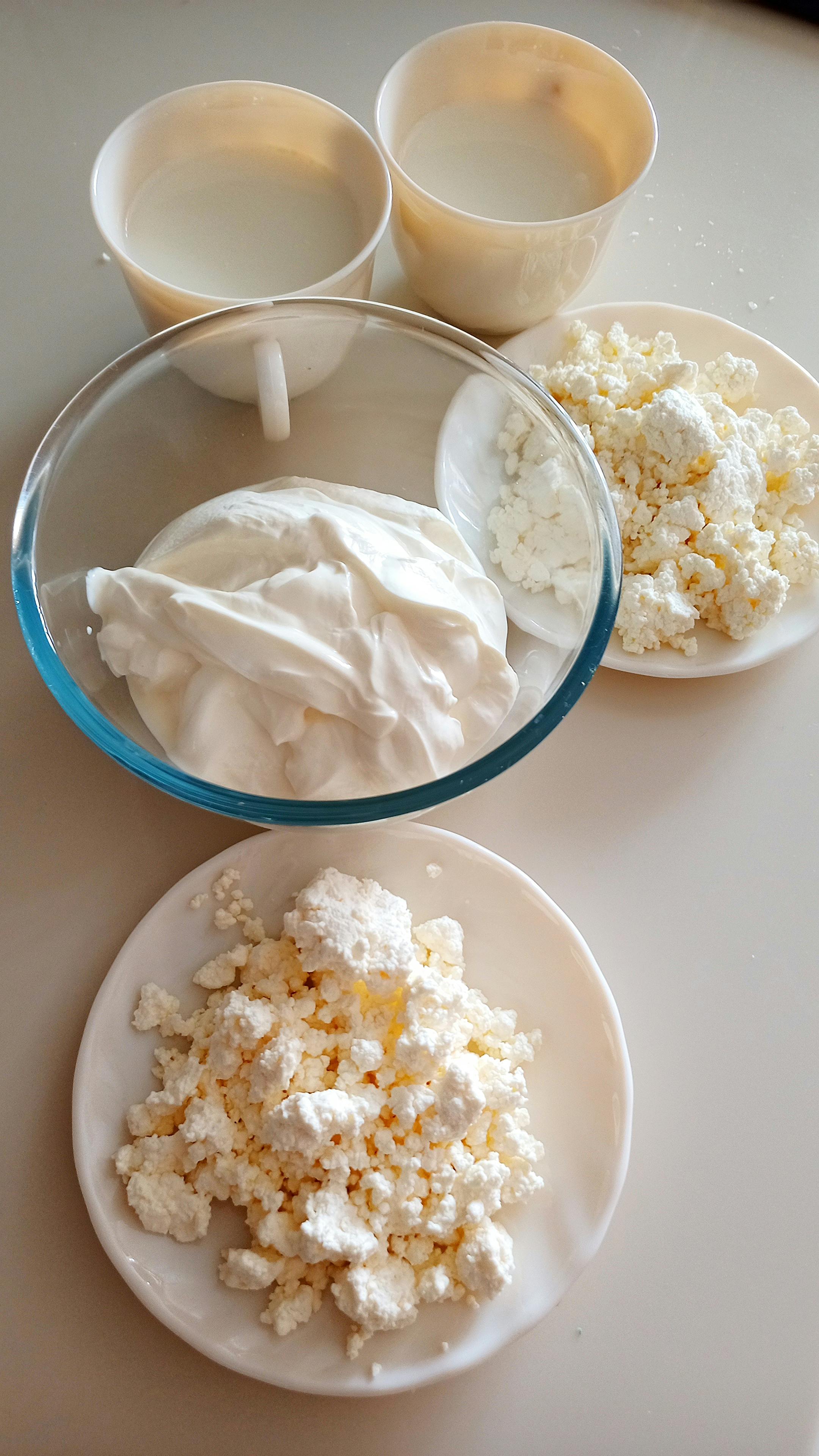
How Long Does Soured Milk Last?
Soured milk can last for a few days, depending on how sour it is and the type of milk used. If you’re using whole milk, it should last up to 5 days. Low-fat or skim milk can last up to 3 days as they tend to go bad faster. If the milk has been opened and stored in the fridge, it should still be safe to consume within these time frames.
It is important to check the expiration date on your carton of milk before consuming it. If it has already expired, then the milk may have gone bad and should not be consumed. You can also tell if your milk has gone bad by its smell or taste. Sour milk often has a distinct sour odor, which is an indication that it should not be consumed.
There are a few ways you can tell if your soured milk is still safe to drink:
- Check for any signs of spoilage such as curdling or discoloration.
- Smell the milk for any off odors.
- Taste a small amount of the soured milk to determine if it’s too sour.
If you find that the soured milk tastes too sour or smells off, then it’s best not to drink it. It’s also important to note that drinking soured milk does not necessarily mean you will get sick; however, there is always a risk associated with consuming spoiled food items so it’s best avoided whenever possible.
It’s also possible to extend the shelf-life of your soured milk by adding a teaspoon of baking soda or vinegar while stirring gently before drinking. This will help neutralize some of the sourness and make it more palatable. However, even with these added ingredients, soured milk should still not be consumed after several days in order to avoid any potential health risks associated with spoiled dairy products.
What Happens When You Drink Spoiled Milk?
When milk has gone bad, it can have an unpleasant odor, taste sour or even have chunks in it. Drinking spoiled milk can cause an upset stomach, diarrhea, vomiting, and other uncomfortable digestive symptoms. In some cases it can even be dangerous and cause food poisoning.
Bacteria can grow in milk if it is not stored properly. These bacteria produce toxins that cause food poisoning. Symptoms of food poisoning from drinking spoiled milk may include nausea, vomiting, cramps, diarrhea, headaches and fever. The most common bacteria found in spoiled milk is called Salmonella enterica; this type of bacteria can be especially dangerous for young children and elderly people.
The best way to avoid getting sick from drinking spoiled milk is to check the expiration date before drinking it. If the expiration date has passed, do not risk consuming the milk as it could make you very ill. If you do drink spoiled milk and experience any of the symptoms mentioned above, seek medical attention immediately as you may need antibiotics to treat the infection caused by the bacteria in the spoiled milk.
To prevent your milk from spoiling quickly at home, make sure to store it in a cool place away from direct sunlight and keep it refrigerated when possible. It is also important to use clean containers for storing your milk as any residue or dirt on them could contaminate the milk and lead to spoilage faster than usual.
In summary, drinking spoiled milk can cause an upset stomach, diarrhea, vomiting and other uncomfortable digestive symptoms. It can also lead to food poisoning if the bacteria present produce toxins that make you ill. To avoid getting sick from drinking bad milk always check the expiration date before consuming it and store your dairy products properly away from direct sunlight at home.
Is Spoiled Milk Unsafe To Drink?
Yes, spoiled milk is unsafe to drink and can cause food poisoning. Milk spoils due to the presence of bacteria, which is why it’s important to store milk properly and consume it before the expiration date. Spoiled milk has a distinct sour smell and taste, and can cause nausea, vomiting, and abdominal cramps if consumed. It can also contain harmful toxins that can lead to severe health problems if ingested.
It’s important to check the expiration date before consuming any type of milk product. If you are unsure whether or not the milk has gone bad, it’s best to discard it rather than risk food poisoning. Spoiled milk should be thrown away immediately, as it can quickly contaminate other food items in the refrigerator.
It’s also important to practice good hygiene when handling and storing milk products. This includes washing hands before and after handling food items, as well as keeping raw foods separate from cooked foods. Additionally, raw milk should be boiled before consumption to kill any potential harmful bacteria that may be present.
In conclusion, spoiled milk is unsafe for consumption and should not be consumed under any circumstances. Proper storage of dairy products is essential to ensure that they remain safe for consumption for as long as possible. Additionally, good hygiene practices should always be observed when handling food items in order to reduce the risk of contamination or food poisoning from spoiled dairy products.

Conclusion
Soured milk can be used in many ways, from making recipes to baking. But it’s important to remember to check for bad milk before using it. There are several signs that can help you identify when milk has gone bad, such as a sour smell, lumpy texture, and change in color. If you notice any of these signs, it’s best to discard the milk and purchase a new one.
Fortunately, there are also many ways to prevent milk from spoiling prematurely such as keeping it refrigerated and using it before its expiration date. By following these simple steps you can ensure that your milk is safe and fresh to use.
0 Comments