
Is soured milk the same as buttermilk?
No, soured milk and buttermilk are not the same. Both are dairy products, but they have different ingredients and uses. Soured milk is regular milk that has been “soured” by adding an acid like vinegar or lemon juice. Buttermilk is a fermented dairy product that is made with cultured bacteria. It also contains lactic acid, which gives it a sour flavor.
While both soured milk and buttermilk have a tangy taste, they differ in texture. Soured milk is thin, whereas buttermilk is thicker due to its fermentation process. In addition, soured milk does not contain any additional probiotics or nutritional benefits which buttermilk does.Soured milk is a type of dairy product that has been fermented with lactic acid bacteria. It is made by adding a bacterial culture to fresh milk, which causes the milk to sour and thicken. The acidity of the soured milk increases over time, making it unpalatable for drinking but giving it a distinct flavor that can be used in some recipes. Sour cream and yogurt are both made from soured milk.
Soured milk is traditionally made by allowing raw milk to sit at room temperature until the lactic acid bacteria naturally present in the milk convert the lactose into lactic acid. This process usually takes several hours and produces a mild sour flavor with no off-flavors or odors. More recently, starter cultures have been used to speed up the process and ensure consistent results.
Soured milk can be used as an ingredient in many dishes such as pancakes or waffles. It also makes an excellent base for creamy soups and sauces, as well as salad dressings and dips. In some countries, it is also used in place of fresh milk for making cheese and other dairy products like ice cream or kefir.
Contents
Buttermilk
Buttermilk is a type of cultured dairy product made by adding bacteria to milk. It has a slightly sour, tangy taste and is often used in baking or as a drink. Traditionally, buttermilk was the liquid left over after churning butter out of cream. Today, most commercial buttermilk is made by adding lactic acid bacteria to non-fat or low-fat milk. This process causes the milk to curdle and produces a thicker, acidic liquid with a distinctive sour flavor.
Buttermilk is high in calcium and vitamin B12 and provides many other essential vitamins and minerals. It can also be used as an ingredient in recipes such as pancakes, cakes, biscuits, muffins, and sauces to add flavor and texture. Buttermilk can also be used as a marinade for chicken or other meats before cooking to tenderize them. It can also be used in place of regular milk for making creamy soups and sauces.
Buttermilk is not only tasty but also has many health benefits. It contains beneficial probiotic bacteria that help improve digestion, boost immunity, and reduce inflammation. Buttermilk is also low in fat and calories while providing protein, calcium, phosphorus, riboflavin, B12, potassium and other essential vitamins and minerals.
In conclusion, buttermilk has been around for centuries as an important part of traditional diets around the world. Its unique flavor makes it a great addition to many recipes while its nutritional properties make it an excellent choice for health-conscious individuals looking for something both tasty and nutritious!
Differences between Soured Milk and Buttermilk
Both soured milk and buttermilk are dairy products, but they differ in the way they are made. Soured milk is made by using lactic acid bacteria to ferment pasteurized milk, which causes it to sour. Buttermilk is made from the liquid that is leftover from churning butter, or it can also be made by adding a culture to skimmed or low-fat milk.
Soured milk has a tart flavor, with a slightly acidic aftertaste. It has a thinner consistency than regular fresh milk and usually comes in a variety of flavors. Buttermilk has a thicker consistency than soured milk, and its taste is slightly tangy and creamy. It is also available in various flavors, such as plain or flavored with herbs or spices.
When it comes to nutrition, soured milk and buttermilk have similar nutritional values, though they vary depending on the type of product being consumed. Both products are high in protein, calcium and other vitamins and minerals. They are also low in fat and calories compared to regular fresh milk.
In terms of uses, soured milk can be used as an ingredient in baking or cooking recipes such as pancakes, waffles and muffins. It can also be used in smoothies or as a substitute for cream in soups or sauces. Buttermilk can be used to make biscuits, cakes and muffins; it can also be used for making salad dressings or marinades for meats.
Overall, soured milk and buttermilk are both dairy products that have similar nutritional values but differ in their tastes and consistencies as well as their uses in various recipes.
Uses of Soured Milk
Soured milk is a versatile ingredient with a range of uses in the kitchen. It has a tangy flavour and thick, creamy texture that can be used to add depth and richness to many dishes. Here are some ways to use soured milk in cooking:
Baking: Soured milk is often used in baking to add moisture and give an extra flavour boost. It can be used as a substitute for buttermilk or regular milk in cakes, muffins, pancakes, and other baked goods. Soured milk is also an excellent addition to breads, as it helps create a light and fluffy texture.
Soups & Sauces: Soured milk can be used to create creamy soups and sauces with a tangy flavour. It can also be used as a base for smoothies or blended with fruits, vegetables, spices and herbs for delicious soups and sauces.
Smoothies & Milkshakes: Soured milk makes an excellent base for smoothies and milkshakes. Simply blend with fresh or frozen fruits, nuts, seeds, spices, honey or maple syrup for delicious drinks that are both nutritious and refreshing.
Salad Dressings & Sauces: Soured milk is perfect for creating creamy salad dressings and sauces. Simply whisk together soured milk with olive oil, vinegar and herbs for a delicious dressing or sauce that pairs perfectly with salads or grilled vegetables.
These are just some of the many ways you can use soured milk in cooking. With its tangy flavour and creamy texture, it’s sure to add depth and richness to any dish!
How to Make Soured Milk
Making soured milk is a simple process, and it can be done in a variety of ways. The most common method is to add an acidic ingredient like lemon juice or vinegar to regular pasteurized cow’s milk. This causes the milk proteins to coagulate, resulting in a thick, sour-tasting liquid that can be used in baking or as a condiment. Here’s how to make soured milk at home:
1. Start with 1 cup of pasteurized cow’s milk.
2. Add 1 tablespoon of white vinegar or freshly-squeezed lemon juice to the milk.
3. Stir the mixture gently for about 30 seconds until it starts to thicken and become slightly lumpy.
4. Let the mixture sit for 10 minutes so the proteins have time to coagulate completely.
5. Once the soured milk has reached your desired consistency, use it immediately or store it in an airtight container in the refrigerator for up to 5 days before using it in recipes or consuming it as is.
Soured milk is a versatile ingredient that can be used for many different recipes such as pancakes, cakes, scones, and dressings. It is also often used as an alternative to buttermilk and can be substituted cup-for-cup in most recipes that call for buttermilk. Give this simple recipe a try next time you need some soured milk!
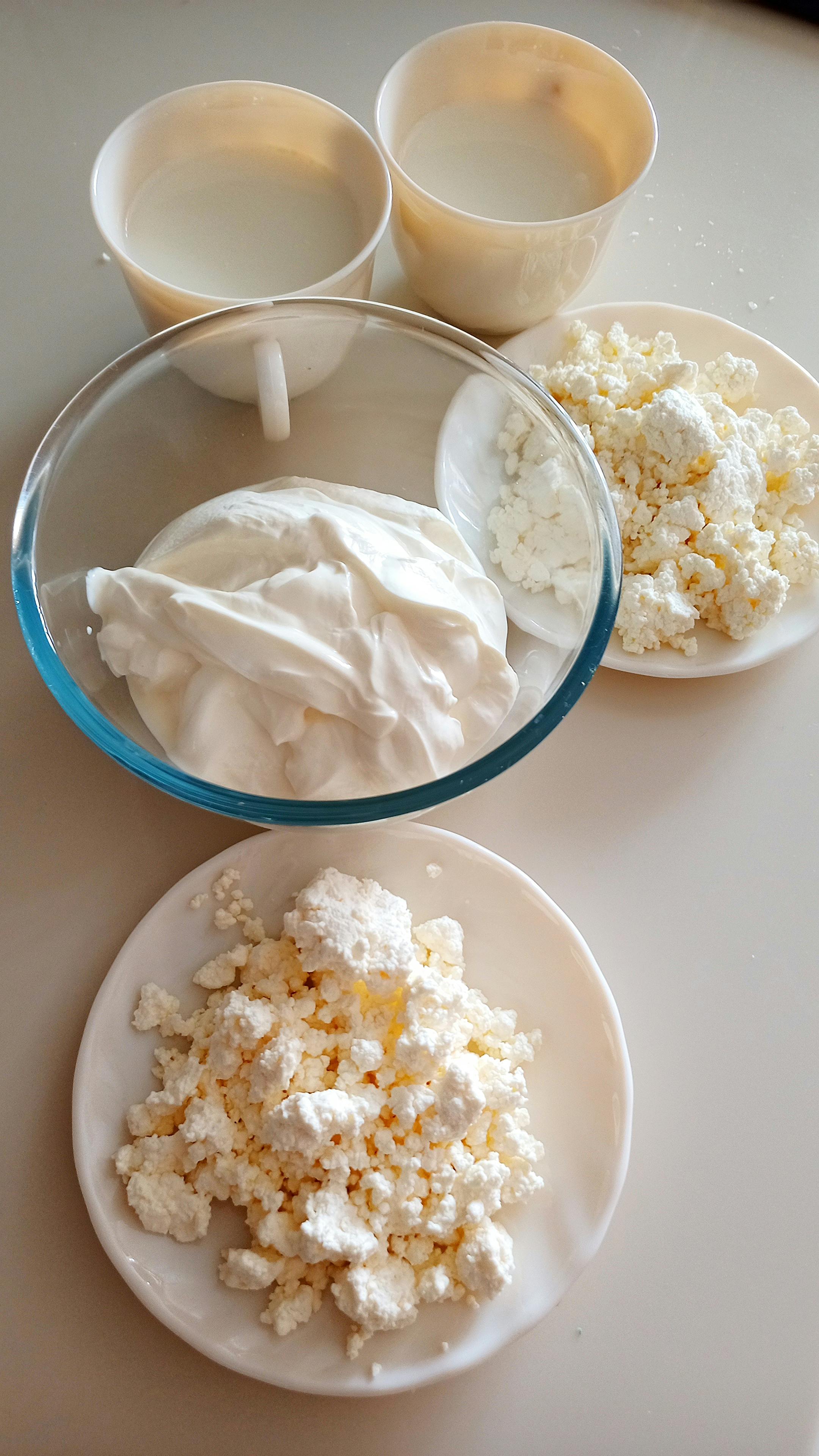
Health Benefits of Drinking Buttermilk
Buttermilk is high in calcium, phosphorus, and vitamins A, B-12, and riboflavin. It is low in fat and contains beneficial bacteria that aid in digestion. Buttermilk has been used for centuries as a natural remedy to help with various ailments. Here are some of the health benefits of drinking buttermilk:
Boosts Immunity: Buttermilk is rich in nutrients such as vitamins A and B-12, which are essential for a strong immune system. The probiotics present in buttermilk help to maintain a healthy gut flora, which can strengthen the immune system and help fight off diseases.
Aids Digestion: Buttermilk contains lactic acid bacteria which helps to break down food more easily and aid in digestion. This can help reduce bloating, gas, constipation, and other digestive issues. The probiotics also help to balance the gut flora which can improve overall digestion.
Promotes Bone Health: Buttermilk is high in calcium and phosphorus, both of which are important for healthy bones and teeth. The calcium helps to strengthen bones while the phosphorus helps to absorb other nutrients such as magnesium and vitamin D that are important for bone health.
Lowers Cholesterol: Studies have shown that drinking buttermilk can help lower cholesterol levels by reducing the amount of bad cholesterol (LDL) and increasing the amount of good cholesterol (HDL). This can help reduce the risk of heart disease.
Overall, buttermilk has many health benefits that make it an excellent drink for maintaining overall health. It is low in fat, rich in vitamins and minerals, loaded with beneficial bacteria that aid digestion, and can even help lower cholesterol levels. So why not give it a try?
Substitutes for Buttermilk
Buttermilk is a popular dairy product that is used in many recipes. It has a distinct taste and texture that can be difficult to replicate with other ingredients. Fortunately, there are several substitutes for buttermilk that you can use in baking and cooking recipes.
Yogurt is a great substitute for buttermilk. You can use plain yogurt, Greek yogurt, or any other type of yogurt in place of buttermilk. The key is to make sure that the yogurt is thick and creamy so that it will mimic the consistency of buttermilk. To make sure the yogurt is thick enough, you can strain it through cheesecloth or a fine-mesh strainer before using it in your recipe.
Milk is another common substitute for buttermilk. To make the milk taste more like buttermilk, add one tablespoon of lemon juice or white vinegar to every cup of milk. Let it sit for about 5 minutes before using it in your recipe. This will create an acidic flavor similar to what you would get from regular buttermilk.
If you don’t have any dairy products on hand, then you can also use a mixture of water and vinegar as a substitute for buttermilk. Simply stir together one cup of water with one tablespoon of white vinegar or apple cider vinegar and let it sit for about 5 minutes before using it in your recipe.
Finally, you can also use nondairy milk such as almond milk, coconut milk, or soy milk as a substitute for buttermilk. Make sure to add one tablespoon of lemon juice or white vinegar to each cup of nondairy milk before using it in your recipe in order to replicate the acidic flavor of regular buttermilk.
Using these substitutes will help ensure that your recipes come out just as delicious as they would with real buttermilk!
Health Risks of Drinking Soured Milk
Soured milk is generally not considered safe to drink, as it can contain harmful bacteria that can cause food poisoning. Drinking soured milk can result in nausea, vomiting, abdominal pain, and diarrhea. In some cases, drinking soured milk may even lead to more serious illnesses such as listeriosis and salmonellosis.
The biggest risk associated with drinking soured milk is that it may contain harmful bacteria such as listeria or salmonella. These bacteria can cause food poisoning and other serious illnesses. If you drink soured milk and experience any of the symptoms of food poisoning, you should see a doctor immediately.
In addition to the risk of food poisoning, drinking soured milk can also cause gastrointestinal distress such as nausea, vomiting, abdominal pain and diarrhea. It can also cause other uncomfortable symptoms such as bloating and gas.
To reduce your risk of getting sick from drinking soured milk, it’s important to discard it if you suspect it has gone bad. If you’re not sure whether the milk is still safe to drink, it’s best to err on the side of caution and throw it away.

Conclusion
In conclusion, sour milk and buttermilk are two different dairy products. Sour milk has been soured with an acidic agent, whereas buttermilk is made from the liquid that remains after churning butter. While they both have a tangy flavor, they differ in terms of texture, fat content and nutritional value. Buttermilk is a great addition to baked goods to add flavor and lightness. Sour milk can be used in recipes as well, but it should be used with caution as it often has a shorter shelf life than regular milk.
Overall, it’s clear that soured milk and buttermilk are not the same product and should not be used interchangeably in recipes. By understanding the differences between these two products, you can ensure that you get the desired results for your recipes every time.
0 Comments