
Kashk is a Persian ingredient made from yogurt, wheat flour, and garlic. It is often used in soups and dips for an added flavor. Unfortunately, kashk is not a good option for those who are lactose intolerant.
Fortunately, there are several alternatives to kashk that are lactose-free and still provide a flavorful addition to dishes. Some of the most popular alternatives include:
- Yogurt cheese
- Lactose-free yogurt
- Vegan sour cream
These alternatives can be used as a dip or soup base as an alternative to kashk without the discomfort of consuming lactose. Additionally, they provide a similar flavor profile to kashk while still being dairy-free.Kashk is a dairy product made from yogurt, or in some cases, sour milk. It is made by straining yogurt to remove the whey, resulting in a thick, creamy substance with a slightly sour taste. Kashk is popular in Middle Eastern countries such as Iran, Armenia, and Turkey. It has been used as a condiment and in cooking for hundreds of years.
Kashk can be found either as a dry powder or as a thick liquid. The dry powder is often used for cooking and can be reconstituted with water before use. The liquid form is often used as a condiment or dip.
Kashk has many culinary uses and can be added to soups, stews, salads and sauces to give them creaminess and flavor. It is also often added to dishes such as kofta (ground meat balls), kabobs (grilled meat), meat stews and vegetable dishes.
Kashk is also used medicinally for its probiotic properties. It has been used to treat digestive issues such gastrointestinal problems, diarrhea and constipation. It is also believed to have anti-inflammatory properties which may help reduce inflammation associated with certain health conditions.
Contents
Lactose Intolerance
Lactose intolerance is a digestive disorder caused by the inability of the body to digest or break down the sugar found in dairy products, known as lactose. People with this condition lack the enzyme lactase, which is needed to digest lactose. When lactose is not digested properly, it passes through the digestive tract and can cause symptoms such as abdominal pain, bloating, gas, and diarrhea.
It is important to note that lactose intolerance is not an allergy to dairy products. A person with an allergy has an immune reaction when exposed to a certain food protein. With lactose intolerance, there is no immune reaction but rather a digestive problem.
Most people with lactose intolerance can still consume small amounts of dairy without having any symptoms. However, those people who are more sensitive may need to avoid all dairy products in order to prevent any symptoms from occurring. There are also several non-dairy alternatives available that provide similar nutritional benefits such as almond milk or coconut-based yogurt and cheese.
Foods High in Lactose
Lactose is a type of sugar found in milk and other dairy products. It is essential for proper digestion, but some people may be sensitive to lactose and need to avoid foods high in lactose. There are many foods that contain lactose, so it’s important to be aware of which foods contain higher amounts of lactose.
Examples of foods high in lactose include: milk, ice cream, yogurt, butter, cheese, cream cheese, cottage cheese and sour cream. Lactose is also found in some processed foods like breads and cereals. Even certain medicines may contain lactose as an inactive ingredient.
If you are sensitive to lactose or have difficulty digesting it, there are several options available. You can purchase lactose-free versions of the above mentioned products or use substitutes such as soy milk, almond milk or rice milk instead of cow’s milk. You can also look for products labeled “lactose-free” or “low-lactose” when shopping for food at the grocery store.
It is important to read the labels on food items carefully to make sure they do not contain any hidden sources of lactose. If you have difficulty digesting lactose, it may be helpful to talk to your doctor about ways to manage your symptoms and ensure that you are still getting enough nutrition from your diet.
Alternatives to Kashk
Kashk, a popular Middle Eastern ingredient, is made from cooked and partially dried yogurt. It’s often used in stews, soups, and salads. While it adds a unique flavor to dishes, there are some alternatives that can be used in its place. Here are some of the best substitutes for kashk:
Yogurt: Plain yogurt is a great substitute for kashk in many dishes. It has a tangy taste and creamy texture similar to kashk but without the drying process. You can use full-fat or low-fat yogurt depending on your preference.
Labneh: Labneh is another form of strained yogurt that is popular in the Middle East. It’s made by straining whole milk yogurt until it becomes thick and creamy with a slightly sour flavor. Like yogurt, it has a similar texture and taste as kashk but with less fat content.
Buttermilk:
Buttermilk is another good alternative that can be used in place of kashk. It has a thick texture with a slightly sour and tangy taste similar to kashk but without the drying process. It can be used in soups and stews or mixed with other ingredients for salads.
Kefir:
Kefir is another great option for replacing kashk in recipes. It’s made by fermenting cow’s milk or goat’s milk with kefir grains which gives it a slightly sour flavor and creamy texture similar to kashk but without the drying process. Kefir can be used as an ingredient in salads or as a topping on soups or stews.
Finding Dairy-Free Substitutes for Kashk
Kashk is an Iranian dairy product that is made from the whey leftover from making cheese. It has a slightly sour taste and can be used in a variety of dishes such as soups, stews, and salads. Unfortunately, kashk is not suitable for those who have dairy allergies or are lactose intolerant. But that doesn’t mean they have to miss out on the delicious flavors kashk adds to food! Here are some dairy-free alternatives that can help you enjoy kashk-flavored dishes without worrying about allergens or lactose intolerance.
Nutritional Yeast
Nutritional yeast is a great substitute for kashk due to its similar tangy flavor. It’s also rich in B vitamins and minerals, so it’s an excellent choice for those looking for a nutritious alternative to kashk. To use it as a substitute, simply add one tablespoon of nutritional yeast for every tablespoon of kashk called for in the recipe.
Tofu Sour Cream
Tofu sour cream is another excellent option for replacing kashk in recipes. It has a similar texture and slightly tart flavor that mimics the taste of kashk quite well. To use it as a replacement, simply mix one cup of soft tofu with two tablespoons of lemon juice and one teaspoon of sea salt until well blended. This mixture can then be added to recipes as a replacement for one cup of kashk.
Lemon Juice and Extra Virgin Olive Oil
This combination makes an excellent non-dairy alternative to replace the sourness that would usually come from using kashk in recipes. Simply mix together two tablespoons of lemon juice with three tablespoons of extra virgin olive oil until blended. This mixture should be added to recipes at the same time as you would add kashk, and should yield similar flavor results without having any dairy content present in the dish.

Nutritional Benefits of Non-Dairy Alternatives
Non-dairy alternatives are becoming increasingly popular in today’s health-conscious world. These plant-based products offer many nutritional benefits that can help to improve overall health and wellness. They are often lower in fat, cholesterol, and calories than their dairy counterparts, and they also contain beneficial vitamins and minerals. Additionally, many non-dairy alternatives are packed with protein and fiber, which can help to keep you fuller for longer.
One of the main nutritional benefits of non-dairy alternatives is that they provide an excellent source of calcium. Calcium is essential for strong bones and teeth, and many non-dairy products such as soy milk and almond milk are fortified with calcium to make sure you get your daily dose. Additionally, some non-dairy options are a good source of Omega 3 fatty acids, which have been linked to numerous health benefits including improved heart health.
Non-dairy alternatives often contain fewer ingredients than their dairy counterparts, which means they can be a great option for those who have food sensitivities or allergies. Many non-dairy products such as coconut milk or oat milk are free from common allergens such as lactose or casein, making them a safe option for those with food allergies or intolerances.
Overall, non-dairy alternatives offer numerous nutritional benefits that can help to improve overall health and wellness. They contain beneficial vitamins and minerals such as calcium, Omega 3 fatty acids, protein, and fiber. Additionally, they often contain fewer ingredients than their dairy counterparts making them a great choice for those with food sensitivities or allergies.
Tofu as a Substitute for Kashk
Kashk is a dairy product made of yogurt, whey and roasted barley that is widely used in Middle Eastern cuisine. It has a thick, creamy texture and a mildly tart flavor. Because of its unique flavor profile, it is often used as an ingredient in many dishes, such as soups and stews. However, due to its dairy content, it is not suitable for those who are lactose intolerant or vegan.
Fortunately, there is an alternative that can provide the same flavor profile as kashk without using any dairy products – tofu. Tofu is a plant-based food made from soybeans that has a mild taste and an almost similar consistency to kashk. It can easily be used as a substitute for kashk in most recipes that call for it and can provide the same flavor profile without introducing any dairy into the dish.
In addition to being lactose-free and vegan-friendly, tofu also offers many health benefits. It is high in protein and contains essential vitamins and minerals such as calcium, iron and phosphorus. It is also low in fat and cholesterol free which makes it a healthier option than kashk. Furthermore, tofu can be easier to digest than kashk due to its lower fat content.
Overall, tofu can be an excellent substitute for kashk in many recipes due to its similar texture, lack of dairy content and numerous health benefits. With careful preparation, it can provide the same flavor profile without introducing any lactose or animal products into the dish.
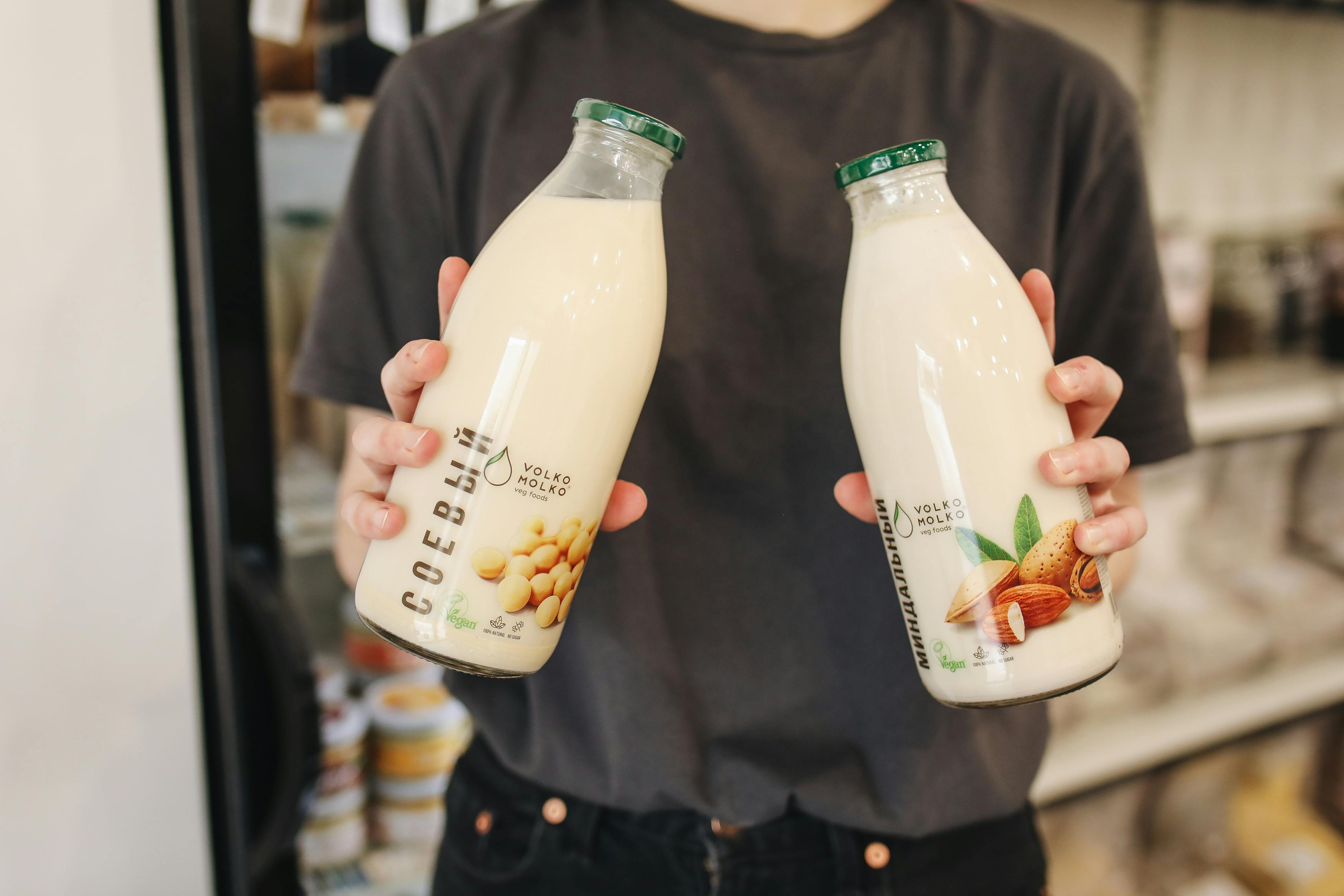
Soy Milk as an Alternative to Dairy Milk
Soy milk has become a popular alternative to dairy milk in recent years. Unlike dairy milk, which is derived from animals, soy milk is a plant-based drink made from soybeans. It offers a variety of health benefits that make it an attractive option for those who are looking for a healthier alternative to dairy milk.
Soy milk is high in protein and contains essential vitamins and minerals that can help with weight management, muscle building and overall health. It is also low in fat and cholesterol and contains no lactose, making it suitable for those who are lactose intolerant. Additionally, soy milk is fortified with calcium, which helps strengthen bones and teeth.
Soy milk also offers many environmental benefits over dairy milk. Soybeans are grown in abundance around the world, so they do not require large amounts of land or resources to produce. In addition, the production process has less of a negative impact on the environment than dairy farming.
Overall, soy milk is an excellent alternative to dairy milk due to its health benefits and environmental sustainability. It can be used as a substitute for regular cow’s milk in many recipes as well as consumed on its own. Soymilk is available in both sweetened and unsweetened varieties, so it can be enjoyed by everyone regardless of their dietary preferences or restrictions.
Conclusion
Kashk is a great food item for those who are not lactose intolerant, as it is rich in protein and calcium. However, for those who are lactose intolerant, there are several alternatives that can provide the same benefits. These include different types of dairy-free yogurts, vegan cheese, and nut-based milks. Additionally, various types of fermented vegetables such as sauerkraut and kimchi can provide probiotics and other beneficial nutrients. All of these options can provide the same nutrition as kashk while also being suitable for those with lactose intolerance.
When selecting alternatives to kashk, it is important to read labels carefully to ensure that the product does not contain any dairy or animal-based ingredients. It is also important to speak with a healthcare professional if you have any questions or concerns about your diet and specific needs. Thankfully, there are a variety of delicious and nutritious options available that can provide the same nutritional benefits as kashk without triggering an allergic reaction.
0 Comments