
Milk tea is a popular beverage enjoyed by many around the world. But for those who are lactose intolerant, traditional milk tea can be difficult to drink. Luckily, there are a variety of milk alternatives that can be used in milk tea recipes that make the drink just as delicious.
From plant-based milks to dairy-free yogurt and even vegan creamers, this guide will provide you with some of the most common and delicious milk alternatives for your next cup of milk tea.Milk tea has become a popular beverage in recent years, and many people have turned to milk alternatives for this delicious drink. Milk alternatives for milk tea add variety to the beverage and can also be a better choice for those who are lactose-intolerant. The options for plant-based milk alternatives are almost endless, but some of the most common ones used include:
Soy Milk
Soy milk is one of the most popular non-dairy milks available. It is made from soybeans that are soaked and ground into a liquid, making it an excellent source of protein. Soy milk has a mild flavor that pairs well with many types of tea, making it a great option for milk tea.
Almond Milk
Almond milk is a delicious option for those looking to lighten up their milk tea. It is made from almonds that are ground into a paste and then blended with water to create a creamy nutty flavored liquid. Almond milk has less calories than other milks, making it an ideal choice for health conscious drinkers.
Coconut Milk
Coconut milk is another great choice for those wanting to make their own flavorful version of milk tea. Coconut milk is made by blending coconut cream with water and has a distinct sweet flavor that pairs well with many kinds of teas. Coconut milk can also be used as a dairy free creamer in coffee drinks.
Oat Milk
Oat milk is quickly becoming one of the most popular plant-based milks due to its creamy texture and mild flavor. Oat milk is made by blending oats with water, resulting in a naturally sweet beverage that pairs perfectly with any kind of tea. Oat milk also contains high levels of calcium and vitamins B2, B12, and D which make it an excellent choice for health conscious drinkers.
Using Soy Milk for Milk Tea
Soy milk is an increasingly popular option for those looking to enjoy a delicious cup of milk tea. It’s a great choice for those who are lactose intolerant and it has a unique flavor that can be enjoyed by all. With its creamy texture and subtle sweetness, it’s easy to see why soy milk is becoming a popular option for many tea drinkers.
Soy milk has many benefits over cow’s milk, including being cholesterol-free, low in fat and calories, and high in dietary fiber. It also contains a variety of essential vitamins and minerals that can help to support overall health. Additionally, soy milk is free from hormones, antibiotics and animal byproducts. This makes it an ideal choice for those who are vegan or vegetarian or simply looking to drink fewer dairy products.
When using soy milk in your favorite cup of tea, there are a few things to keep in mind. First and foremost, be sure to use unsweetened soy milk as it will not overpower the flavor of your tea. Additionally, you should heat the soy milk before adding it to your tea so that it blends smoothly with the other ingredients. Lastly, try adding some honey or sugar to sweeten the tea if desired.
Overall, using soy milk for making delicious cups of tea is an excellent way to enjoy the beverage without having to worry about any adverse effects from cow’s milk or other dairy products. With its creamy texture and subtle sweetness, you can rest assured knowing that you’re getting all the benefits of drinking tea without sacrificing taste or health.
Using Almond Milk for Milk Tea
Almond milk is a great alternative to traditional cow’s milk for those who are lactose intolerant or vegan. It has a creamy, nutty flavor that makes it a great addition to any type of milk tea. There are many benefits to using almond milk in your milk tea, such as:
- It is dairy-free, so it is perfect for those with lactose intolerance.
- It has lower calories and fat than regular cow’s milk.
- It contains no cholesterol and is higher in calcium than regular cow’s milk.
Almond milk also has a naturally sweet taste that pairs well with the sweetness of the tea. This makes it an ideal choice for anyone looking for a healthier and delicious alternative to regular cow’s milk.
When making almond milk tea, it is important to use the right kind of almond milk. Look for brands that contain no added sugar or preservatives. Unsweetened almond milks will provide the best flavor and texture for the drink. Also, make sure the almond milk you use doesn’t contain any stabilizers or thickeners, as these can affect the taste and texture of your beverage.
When preparing an almond milk tea, it is important to let the mixture steep correctly before serving. If you steep it too long, it can become overly bitter. You should also note that almond milk may separate when heated, so stirring often while heating will help keep your beverage smooth and creamy.
Overall, using almond milk in your tea can be a great way to add a bit of creaminess without all of the extra calories and fat found in regular cow’s milk. Not only does it have health benefits, but its sweetness pairs perfectly with any type of tea – making it an ideal choice for anyone looking for a healthier and delicious drink!
Coconut Milk for Milk Tea
When it comes to creating a delicious and creamy cup of milk tea, you can’t go wrong with using coconut milk. This popular dairy alternative is made from the meat of mature coconuts and is known for its smooth, rich texture and nutty flavor. Coconut milk is a great option for those who are lactose intolerant or vegan, but it’s also enjoyed by many people who can enjoy dairy without any issues.
Whether you’re making an iced or hot beverage, coconut milk will give your drink a unique twist. It has a slightly sweet taste that pairs perfectly with bold tea flavors like earl grey or jasmine. You can also add other ingredients like honey or fruit to further enhance the flavor. The creamy texture of coconut milk gives your drink an indulgent finish that regular cow’s milk simply can’t match.
For those looking to make healthier choices, coconut milk is the perfect choice. It contains fewer calories than regular dairy milk and contains beneficial fatty acids like lauric acid and caprylic acid that have antiviral and antifungal properties. Additionally, it’s high in iron, magnesium, phosphorus, potassium, and essential vitamins like B6 and C.
Making your own coconut milk at home is a simple process; all you need are mature coconuts, water, and a food processor or blender. Once you’ve cracked open the coconuts and removed the meat from the shell, blend it with water until you have reached a creamy consistency. You can then strain out any pulp if desired before adding it to your drink of choice.
If you don’t want to make your own coconut milk at home, there are plenty of store-bought options available in both canned and carton varieties. Be sure to read the label carefully so you know what kind of additives are included in the product; some brands may contain added sugar or preservatives.
No matter how you choose to enjoy it—whether homemade or store-bought—coconut milk is sure to add a unique twist to your next cup of tea!
Uses of Cashew Milk for Milk Tea
Cashew milk is an excellent alternative to regular dairy milk when it comes to making milk tea. It is rich in essential nutrients, has a creamy texture, and has a nutty flavor that pairs well with the flavor of tea. Cashew milk can be used in a variety of ways to create delicious and nutritious milk tea drinks. Here are some great uses for cashew milk in your favorite tea-based beverage:
Adding Creaminess
Cashew milk is naturally creamy and can be used as a substitute for regular dairy milk in any recipe. It adds a richness to the flavor of your tea while providing essential nutrients like calcium, vitamin E, and magnesium. It also helps to thicken the drink so that it has a smooth, velvety texture.
Making Lattes
Cashew milk can be used to make creamy and delicious lattes. Simply add some cashew milk, sweetener, and espresso or strong black tea into your mug, mix it up and you have yourself a delicious latte! You can also top it off with some foam or froth for an extra special treat.
Making Iced Tea
Cashew milk makes an excellent addition to any iced tea beverage. Simply blend together some cashew milk, sweetener, ice cubes, and strong black or green tea until smooth and pour over ice cubes. This is a great way to enjoy your favorite flavors while keeping cool on hot summer days!
Adding Flavor
Cashew milk can also be used as an ingredient in flavored teas such as chai lattes or flavored green teas. Simply add some cashew milk along with your favorite spices, herbs, fruits or syrups for an extra special treat! The nutty flavor of the cashew milk pairs well with these flavors for an interesting twist on traditional teas.
Overall, cashew milk is an excellent choice for making delicious and nutritious milk teas at home. With its smooth texture and nutty flavor profile, it is sure to enhance any drink you create!
Oat Milk for Milk Tea
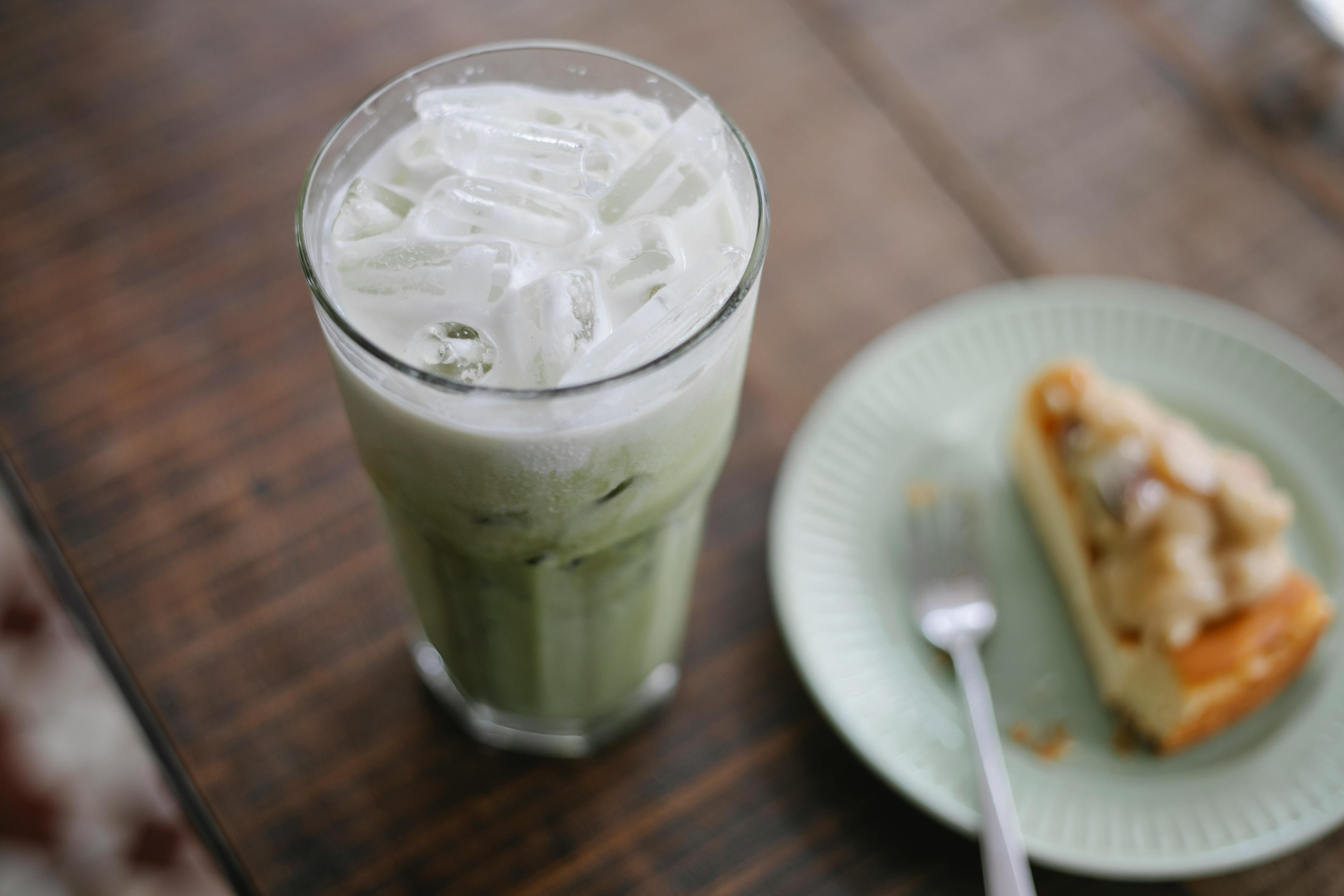
Milk tea is a popular beverage all over the world with many different variations. Oat milk has become increasingly popular as an alternative to traditional dairy milk, and it is now being used in milk tea recipes. Oat milk offers a delicious and creamy taste that works especially well with the flavors of milk tea. It also provides some key health benefits when compared to traditional dairy milk, making it a great choice for those looking for a healthier version of this classic beverage.
One benefit of oat milk is that it contains less fat than dairy milk, while still providing a creamy texture to your drink. This makes it a great option for those who are trying to watch their fat intake. It also offers more fiber than dairy milk, which can help with digestion and improve overall health. Additionally, oat milk is naturally lactose-free, making it an ideal choice for those who are lactose intolerant or vegan.
Oat milk also adds some unique flavor notes to your drink that can provide an interesting twist on the classic flavor of traditional dairy-based drinks. Many people find that oat milk adds a subtle sweetness and nutty flavor that pairs well with the other ingredients in their drink. Some people even prefer the taste of oat-based drinks over traditional dairy ones!
Finally, oat milk can be easily incorporated into many different recipes for a variety of drinks, including hot or iced tea lattes, cappuccinos, and more. Whether you are looking for something to enjoy after dinner or as an afternoon pick-me-up, oat milk can help make your drink extra special!
What is Rice Milk?
Rice milk is a popular dairy-free alternative to regular cow’s milk. It is made from milled white or brown rice and water. Rice milk has a light and sweet taste and is higher in carbohydrates than other dairy-free alternatives, such as almond or oat milk. It is also free of lactose and cholesterol, making it suitable for those with dietary restrictions. Rice milk can be used in a variety of ways, including as an ingredient in baking, smoothies, and sauces.
How Does it Compare to Regular Milk?
Rice milk has a much different taste than regular cow’s milk. It is sweeter than regular cow’s milk and has a thinner consistency. It also does not contain the same amount of protein as regular cow’s milk. Rice milk contains less fat than other dairy-free alternatives such as almond or oat milk, but more carbohydrates than these alternatives. Additionally, it may not be suitable for those with allergies or sensitivities to gluten since it is made from rice.
Can You Use Rice Milk for Milk Tea?
Yes, you can use rice milk for making Milk Tea. The sweeter taste of rice milk adds an extra layer of flavor to the drink that many people find enjoyable. However, due to its thin consistency, adding too much rice milk may make the tea too watery or thin out the flavors too much. If you choose to use rice milk for your Milk Tea, it is best to start with a small amount and adjust according to your tastes.
Using Hemp Seed Milk for Milk Tea
Hemp seed milk is becoming an increasingly popular alternative to traditional dairy-based milks, and its uses are now extending to adding a unique twist to your favorite cup of milk tea. Hemp seed milk adds a nutty flavor that complements the sweetness of the tea, and can be used in any recipe that calls for regular dairy or plant-based milks. It’s also packed with nutritional benefits, making it an ideal choice for health conscious consumers.
The biggest advantage of using hemp seed milk in your tea is that it adds a unique flavor profile and richness that other milks don’t have. The nutty taste of the hemp seeds pairs well with many different types of teas, including black, oolong, green, and herbal teas. Additionally, hemp seed milk contains a wide range of vitamins and minerals, including calcium, magnesium, iron, potassium, zinc and Vitamin E. It’s also high in healthy fats like omega-3 fatty acids which can help promote heart health.
When it comes to preparing hemp seed milk for use in your favorite cup of tea, it couldn’t be easier! All you need is some shelled hemp seeds and water. Simply add one cup of shelled hemp seeds to two cups of water in a blender and blend until smooth. Allow the mixture to sit for about 10 minutes before straining into a container – this will ensure all the nutrients from the plant are extracted into the liquid. Once strained you can then use this as you would any other type of dairy or non-dairy milk in your recipes!
Overall, using hemp seed milk as an alternative to traditional dairy or non-dairy milks is an excellent way to give your favorite cup of tea an extra boost of flavor and nutrition. Not only does it provide additional vitamins and minerals but its unique nutty flavor brings out the sweetness in any type of tea! So why not give it a try today?

Conclusion
Milk tea can be enjoyed by different types of people, regardless of dietary restrictions. Whether you are vegan, lactose intolerant, or just trying something new, there are plenty of milk alternatives to choose from. Almond milk, coconut milk, and oat milk are popular choices that offer creamy and delicious flavors. Soy milk is also a great option as it provides a similar taste and texture to dairy-based milks. As you can see, there are many options for those who are looking for a dairy free alternative to enjoy their tea.
No matter what alternative you choose for your tea, make sure to find one that suits your dietary needs and preferences. With the wide variety of options available today, you’re sure to find something that fits your palate perfectly. Enjoy!
0 Comments