
Yogurt is a versatile and nutritious ingredient that can be used in many different ways to create delicious meals. Whether you’re looking for a low-calorie snack, a substitute for cream or just something to add flavor and texture to a dish, yogurt is an excellent choice that can be used in both cooking and baking.
In this article, we’ll discuss some of the many ways to use yogurt in cooking and baking, from marinating proteins to making creamy sauces. We’ll also explore the different types of yogurts available and how they can best be used in each application.Yogurt is a versatile ingredient that can be used in both sweet and savory recipes. In savory cooking, yogurt can be used to add flavor, texture and nutrition to dishes.
Yogurt can be used as an alternative to sour cream or mayonnaise in many recipes. It is a great addition to sauces, dressings and dips, as it adds creaminess without the heaviness of cream. It also helps to bind ingredients together in dishes like meatballs and burgers.
Yogurt can also be used as a marinade for meats and vegetables. The lactic acid in the yogurt will help tenderize the meat, while imparting flavor. When combined with herbs, spices and aromatics, yogurt makes an excellent marinade for all types of proteins.
Yogurt is also a great way to add moisture to baked goods like cakes and muffins. It helps to create a light texture while adding flavor and nutrients. Yogurt can also be used in soups and stews for added richness and depth of flavor.
Contents
Yogurt as an Ingredient in Baked Goods
Baked goods are delicious treats that can be enjoyed by anyone. However, they can also be improved with the addition of yogurt. Yogurt is a great ingredient to use in baked goods because it provides a unique flavor and texture. It is also packed with essential vitamins and minerals that can help to make your baked goods healthier.
Yogurt is often used as a substitute for some of the traditional ingredients used in baking such as butter, cream, and eggs. This makes it a great option for vegan baking recipes. Yogurt also adds moisture to baked goods which helps to keep them from drying out too quickly. Additionally, it adds a slight tanginess which can be very appealing in certain recipes.
When using yogurt in baking, it is important to choose the right type of yogurt for your recipe. Greek yogurt is especially popular for baking because of its thick texture and high protein content. It works well as an egg substitute and provides a great source of moisture for cookies, cakes, and muffins. Other types of yogurt such as regular or low fat may work best when used in other recipes such as quick breads or pancakes.
Yogurt can also be used in frostings or glazes to give them a unique flavor or texture. This makes it perfect for using on cakes or cupcakes, especially if you are looking for something light and creamy but not too sweet. Additionally, you can use yogurt to create a flavorful base for savory dishes such as quiche or tart crusts by simply substituting half of the butter with yogurt instead.
Overall, adding yogurt to your baked goods can provide numerous health benefits while at the same time creating unique flavor combinations that will make your recipes stand out from the rest. With so many different types available on the market today, there are endless possibilities when it comes to finding ways to incorporate this versatile ingredient into all kinds of delicious baked treats!
Using Yogurt to Make Delicious Sauces
Yogurt is a versatile and nutritious ingredient that can be used in many different ways. It is especially great for making sauces, as it adds creaminess and a tangy flavor that pairs well with many dishes. You can make all sorts of sauces with yogurt, from savory to sweet and everything in between. Here are some tips for using yogurt to make delicious sauces.
First, choose the right type of yogurt for your sauce. For savory sauces, plain yogurt works best as it has a mild flavor that won’t overpower the other ingredients. For sweet sauces, use flavored or Greek yogurt for added sweetness and creaminess.
Next, thin out the yogurt with some liquid if needed. This is especially important if you’re using Greek yogurt since it’s thicker than regular yogurt. You can thin out the yogurt with water, milk, or even fruit juice depending on what type of sauce you’re making.
Finally, season your sauce with whatever flavors you want. You can add herbs and spices like garlic powder or curry powder for savory sauces or vanilla extract and honey for sweet ones. You can also add additional ingredients like diced tomatoes or roasted peppers to give your sauce even more flavor.
Making delicious sauces with yogurt is easy once you know how to use it correctly. Just remember to choose the right type of yogurt, thin it out if needed, and season it to taste! With these tips in mind, you’ll be able to make all sorts of yummy sauces using this versatile ingredient.
How to Use Yogurt as a Substitute for Buttermilk
Yogurt can be an excellent substitute for buttermilk in many recipes. It has a similar consistency and is slightly tangy, making it a great alternative if you don’t have buttermilk on hand. Plus, yogurt is much easier to find in supermarkets and can be used in a variety of recipes. Here’s how you can use yogurt as a substitute for buttermilk:
1. Start by replacing the amount of buttermilk the recipe calls for with an equal amount of yogurt. If you are using plain yogurt, add 1 teaspoon of lemon juice or white vinegar per cup of yogurt used.
2. For every cup of yogurt used, thin it out with ¼ cup of water to mimic the thin consistency of buttermilk.
3. If you are using Greek-style yogurt, which is thicker than regular yogurt, thin it out with twice as much water as you would use for regular yogurt.
4. Once all the ingredients are mixed together, let them sit for 10 minutes before adding them to your recipe.
Using yogurt as a substitute for buttermilk is simple and easy! With just a few steps and some basic ingredients, you can make delicious dishes that call for buttermilk without having to worry about finding it at the store.
The Benefits of Using Yogurt in Salads
Adding yogurt to salads is a great way to add flavor and texture to a meal. Yogurt is rich in protein, calcium, and other essential nutrients, making it a healthy choice for salads. It also has a creamy texture that adds an interesting element to the dish. Here are some of the benefits of using yogurt in salads:
Protein: Yogurt is high in protein, which helps keep you feeling fuller for longer. This can be beneficial if you’re trying to cut calories or just want a healthier salad. Adding yogurt can also help you get more protein into your diet.
Calcium: Yogurt is a good source of calcium, which is important for strong bones and teeth. It also helps with muscle contractions and nerve impulses. Adding yogurt to your salad can help you get more calcium into your diet.
Flavor: Yogurt adds flavor and texture to salads without adding too many calories or fat. You can choose from plain or flavored varieties of yogurt, depending on the type of salad you’re making. The creamy texture also adds an interesting element to the dish.
Nutrients: Yogurt is high in essential vitamins and minerals such as Vitamin A, B-vitamins, magnesium, phosphorus, potassium, zinc, and selenium. These nutrients are important for overall health and well-being.
Adding yogurt to salads is an easy way to add flavor and nutrition without adding too many calories or fat. With its creamy texture and nutrient-rich ingredients, it’s no wonder so many people choose yogurt as an ingredient in their salads.
Creating Healthy Snacks with Yogurt
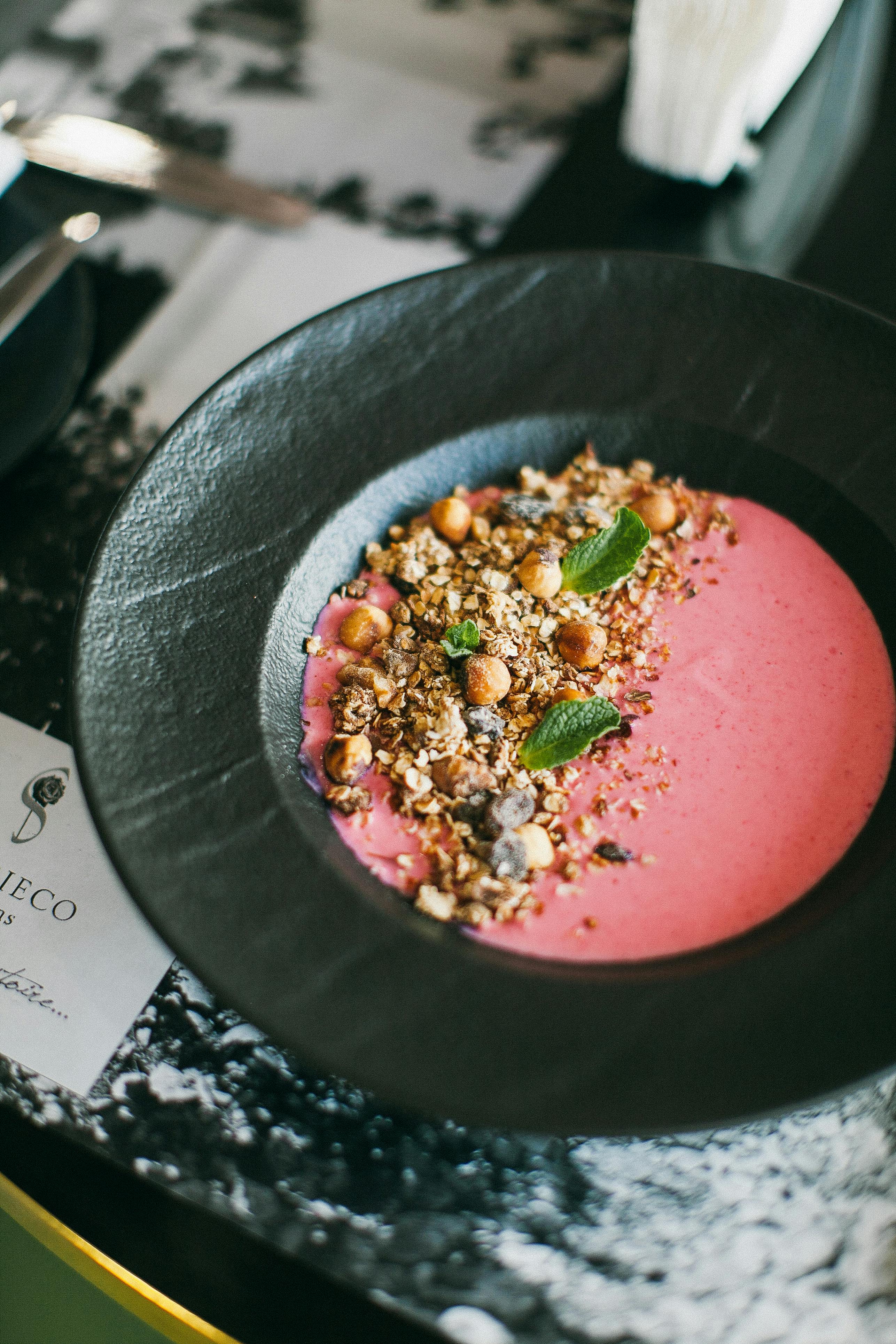
Yogurt is a great option for a healthy snack. It is full of protein and calcium, which can help keep you feeling full and energized throughout the day. Yogurt also contains probiotics, which are beneficial bacteria that aid in digestion. With its creamy texture, it can make a delicious snack that is both nutritious and satisfying.
One way to create healthy snacks with yogurt is to add fruits or vegetables. Fresh or frozen fruits are a great way to add flavor and nutrition to yogurt. Berries, bananas, peaches, apples, pears, and other fruits are all great options for adding sweetness and crunch to yogurt snacks. Vegetables such as carrots, cucumbers, tomatoes, peppers, and onions are also excellent additions for adding crunch and flavor. Consider chopping up vegetables into small pieces or slices before adding them to yogurt for easy snacking.
Another way to create healthy snacks with yogurt is to mix in nuts or seeds. Nuts such as almonds, walnuts, cashews and peanuts are all excellent sources of protein and healthy fats that can help keep you feeling full longer. Seeds such as chia seeds, flax seeds or hemp seeds are also great additions for adding crunchy texture and nutrition to yogurt snacks. Consider mixing in one or two tablespoons of your favorite nut butter for an added boost of protein or fiber.
Yogurt can also be used as an ingredient in recipes for healthy snacks such as smoothies, parfaits or granola bars. Smoothies made with yogurt can be a refreshing treat on hot summer days while parfaits layered with yogurt make a delicious dessert or snack any time of day. Granola bars made with yogurt instead of butter are a healthier option than traditional recipes; plus they provide extra protein from the yogurt that will help keep you feeling full longer.
Creating healthy snacks with yogurt doesn’t have to be difficult; it just takes some creativity! Experimenting with different combinations of fruits, vegetables, nuts and seeds will ensure you have plenty of delicious options when it comes time to snack!
Adding Flavor and Texture to Soups and Stews with Yogurt
Yogurt is a great way to add flavor and texture to soups and stews. It adds a unique tangy flavor to dishes that can be difficult to replicate with other ingredients. It also provides a creamy texture which helps to thicken the soup or stew, making it more satisfying. Additionally, yogurt is high in protein and calcium, making it a great addition to any meal.
When adding yogurt to soups and stews, it’s important to choose one that is plain or unflavored. Flavored yogurts often contain added sugar or artificial sweeteners which can alter the flavor of the dish. For best results, use whole-milk yogurt or Greek yogurt which will provide a creamy texture without too much added sugar. If you are looking for a healthier option, opt for low-fat or non-fat yogurt instead.
If you want to add yogurt directly into your soup or stew, make sure you stir it in at the end of cooking so that it doesn’t curdle. A good rule of thumb is to add about one cup of yogurt for every four cups of liquid in your dish. If you’re looking for an even creamier texture, try blending the yogurt into the soup before serving – this works especially well with potato soups.
Yogurt can also be used as a topping for soups and stews instead of sour cream or cheese. Simply dollop a spoonful onto your bowl before serving for an extra burst of flavor and nutrition. You can also add some freshly chopped herbs such as dill, parsley or chives for even more flavor.
Adding yogurt to your soups and stews is an easy way to upgrade their flavor without much effort. Try experimenting with different types of yogurts until you find one that suits your taste!
Making Delicious Dips and Spreads with Yogurt
Yogurt is a versatile ingredient that can be used to make a variety of delicious dips and spreads. It is an excellent source of protein and calcium, making it a great addition to any meal. Whether you are looking for something savory or sweet, yogurt can be used in a variety of ways to create flavorful dishes. Here are some tips for making delicious dips and spreads with yogurt.
To get started, choose a base yogurt that has the flavor and texture you desire. Greek yogurt is a popular choice because it is thick, creamy, and full of flavor. However, you can also use regular yogurt or dairy-free options such as coconut or almond milk yogurt. Once you have your base selected, add your favorite ingredients to create the perfect dip or spread. For savory flavors, try adding herbs like dill or chives along with garlic and onion powder. For sweeter dips and spreads, add in fruits like apples or berries, as well as sweet spices such as cinnamon or nutmeg.
When making dips and spreads with yogurt, there are several ways to incorporate other ingredients into the mix. You can use mashed vegetables such as carrots or potatoes to give the dip an extra layer of texture and flavor. You can also add in cooked meats such as chicken or beef for an even heartier dish. If you want to make something sweet, try adding honey or maple syrup for added sweetness.
Finally, when serving your dip or spread be sure to garnish it with something special to really make it stand out. Try topping it off with fresh herbs like parsley or cilantro for an extra pop of color and flavor. You could also add nuts such as almonds or walnuts for crunchiness. There are endless possibilities when it comes to creating delicious dips and spreads with yogurt – get creative and have fun!

Conclusion
Yogurt is an incredibly versatile ingredient for cooking and baking. It can be used as a substitute for dairy, to add delicious tangy flavor, to make creamy sauces, and even to tenderize meats. Not only is it easy to pick up from the store or make at home, but it also adds a healthy dose of nutrition to your meals. Yogurt can be used in many dishes and recipes, making it a great option for those who want a delicious and nutritious meal.
No matter what type of yogurt you use or what recipe you’re making, yogurt is sure to add flavor and nutrition to your dish. From smoothies and sauces to main dishes and desserts, yogurt can be used in so many different ways in the kitchen!
0 Comments