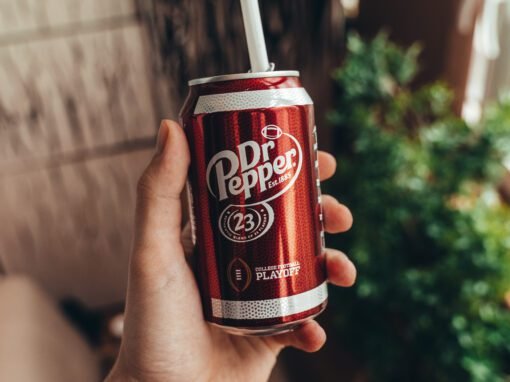
What are sparkling energy drinks?
Sparkling energy drinks are carbonated drinks, often sold in flavored sparkling water or soda-style cans, that contain added caffeine and sometimes other ingredients such as vitamins or herbal extracts. Caffeine is typically 160 to 200 mg per 12 oz can in the examples we checked. The FDA cites about 400 mg a day for most adults.
Free download
Juice, Soda and Water Storage Chart (PDF): How long juice, soda, coconut water and bottled water last, opened and unopened. 19 rows, each with its source.
Thank you
Your chart is ready
We use your email only for this download.Also free:
Home Bar Storage Chart (PDF)Milk and Dairy Storage Chart (PDF)Coffee, Tea and Hot Drinks Storage Chart (PDF)Drink Strength, Calories and Units Cheat Sheet (PDF)Want the full pack? About 10 printable sheets: a larger chart for each drink type, a “has it gone off?” checklist, date labels, a party planner and an inventory sheet.
In this article
What are sparkling energy drinks?
They are carbonated drinks with added caffeine, marketed as an energy boost. Many look and taste like flavored sparkling water or a light soda, which is why people sometimes drink them without noticing how much caffeine they contain. Ingredients vary but often include caffeine, B vitamins, plant extracts such as green tea or guarana, taurine and sweeteners.
How much caffeine is in them?
It depends on the product, so check the label. Two examples from a caffeine database: Celsius lists 200 mg per 12 fl oz can, and Sparkling Ice Energy lists 160 mg per 12 fl oz can. The latter page also lists Red Bull at 80 mg and instant coffee at 60 mg, without giving serving sizes. The FDA cites about 400 mg a day for most adults, so one can of a 200 mg product is already half of that.
| Example | Caffeine per can (as listed) |
|---|---|
| Celsius, 12 fl oz | 200 mg |
| Sparkling Ice Energy, 12 fl oz | 160 mg |
| Red Bull (per listing, size not given) | 80 mg |
Values come from third-party listings and can change with new formulas, so use the number on your can.
What else is in them?
Some are sweetened with sugar, others with sweeteners such as sucralose. One listing for Celsius shows vitamins and minerals plus a proprietary blend containing taurine, guarana extract, green tea leaf extract and ginger extract. Calories range from close to zero to over 100 depending on the brand.
Who should avoid them?
- Children and teens: the FDA page says medical experts advise against energy drinks for children and teens.
- Pregnant or breastfeeding people and those with health conditions or medicines: ask a health care provider first.
- Anyone who is sensitive to caffeine.
Tips
- Count all caffeine in the day, including coffee, tea and cola.
- Do not drink one just before bed.
- Do not mix with alcohol.
- Water or a snack is a better choice if you are just thirsty or tired.
People also ask
What is a sparkling energy drink?
A carbonated drink with added caffeine, often in a sparkling-water or soda-style can.
How much caffeine does a sparkling energy drink have?
Examples list 160 to 200 mg per 12 oz can. Always read the label.
Is it safe to drink one every day?
The FDA cites about 400 mg of caffeine a day as a figure for most adults; sensitivity varies and children should avoid them.
Sources
About · How we verify this · Editorial policy · Corrections
What would help you most next?
One tap. Anonymous. It helps us decide what to build.
Thank you. The free charts above are yours to keep.