
What are the best Gyokuro tea brands and where can I buy them?
There is no single best Gyokuro brand, but good Gyokuro comes from Japanese tea houses that name the growing region, the tea cultivar and the harvest year on the package. Well-known sellers include Ippodo, Marukyu-Koyamaen and Yamamotoyama. You can buy from their own web shops, from Japanese tea specialists, or from Asian grocers. Judge a tin by the label, not the price alone.
Free download
Coffee, Tea and Hot Drinks Storage Chart (PDF): How long coffee beans, ground coffee, tea, cocoa and creamers last. 11 rows, each with its source.
Thank you
Your chart is ready
We use your email only for this download.Also free:
Home Bar Storage Chart (PDF)Milk and Dairy Storage Chart (PDF)Juice, Soda and Water Storage Chart (PDF)Drink Strength, Calories and Units Cheat Sheet (PDF)Want the full pack? About 10 printable sheets: a larger chart for each drink type, a “has it gone off?” checklist, date labels, a party planner and an inventory sheet.
In this article
How to choose a good Gyokuro
Gyokuro is a Japanese green tea whose bushes are shaded for about 20 days or more before harvest (shaded for less time, it is called kabuse-cha). That shading gives it a sweet, savory, umami-rich taste with little bitterness. Because it is a premium tea, a few label details tell you more than a brand name.
- Name of the product: it should say Gyokuro, not just green tea or sencha.
- Region: Uji (Kyoto), Yame (Fukuoka) and parts of Shizuoka are the regions most often named.
- Harvest year: choose this year’s first harvest (shincha season is spring) for the freshest taste.
- Cultivar: cultivar names such as Okumidori, Asahi or Saemidori on the label show a seller who gives details.
- Leaf: deep green, needle-like, evenly cut, with a sweet seaweed smell.
Which Gyokuro brands are widely sold?
We do not rank brands. Japanese tea houses widely sold outside Japan include Ippodo Tea (Kyoto), Marukyu-Koyamaen (Uji) and Yamamotoyama (a Tokyo tea company that says it dates to 1690). Many smaller farms and importers also sell single-estate Gyokuro. Compare two or three sellers on the points above before you buy.
Where can I buy Gyokuro?
- Official web shops of Japanese tea houses, which often ship worldwide.
- Specialty tea shops and Japanese tea importers.
- Japanese or Asian grocery stores, usually with a smaller range.
Be careful with very cheap tins labeled Gyokuro on marketplaces. A real Gyokuro is a labor-intensive tea, so a price far below other Gyokuro is a warning sign.
How do I brew Gyokuro so it tastes best?
Use cooler water than for sencha, commonly suggested temperatures are about 140 to 160 F (60 to 70 C); follow your seller’s instructions, a generous amount of leaf and a short first steep of one to two minutes. Pour all the water off. Re-steep the same leaves with slightly hotter water for a shorter time.
Is Gyokuro the same as matcha?
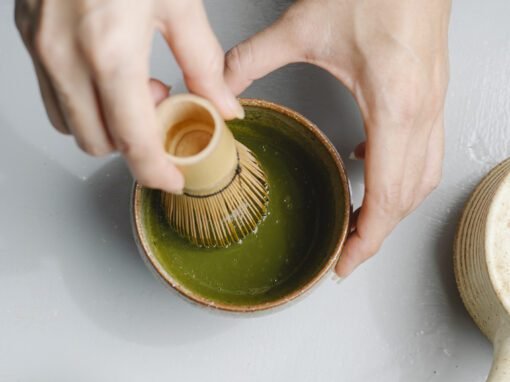
No. Both are shade-grown, but Gyokuro is steeped and the leaves are removed, while matcha is stone-ground tea leaf (tencha) that you whisk and drink whole. Gyokuro is generally described as higher in caffeine than ordinary green tea, so go easy late in the day.
People also ask
What is the best Gyokuro tea?
There is no single best. Look for a named region, cultivar and harvest year, then choose the taste you like from a reputable Japanese tea seller.
Where is the best place to buy Gyokuro?
Buy from the web shops of Japanese tea houses or from specialist tea importers. Check that the product is called Gyokuro and shows its region.
Is there any tea that tastes similar to Gyokuro?
Kabuse-cha (tea shaded for a shorter time) and high-grade shincha sencha are the closest. They have a sweet, savory taste, though usually less pronounced than Gyokuro.
About · How we verify this · Editorial policy · Corrections
What would help you most next?
One tap. Anonymous. It helps us decide what to build.
Thank you. The free charts above are yours to keep.