
Kishk is a traditional Levantine dish made of bulgur, fermented milk and yogurt. It is a high-protein food that is often eaten in the Middle East as a breakfast or snack.
It’s a rich source of several essential vitamins and minerals. It contains calcium, iron, magnesium, phosphorus, and zinc. Kishk also provides dietary fiber and protein. Additionally, it contains B-vitamins such as thiamin, riboflavin, niacin, vitamin B6 and folate. Here are the nutritional values of kishk per 100g:
- Calories: 290 kcal
- Protein: 11 g
- Carbohydrates: 46 g
- Fat: 6 g
- Fiber: 5 g
- Vitamin A: 2% RDI
- Vitamin C:: 0% RDI
- Vitamin B6 :: 24% RDI
- Calcium :: 9 % RDI
< li >< b > Iron : < / b > 49 % RDI < / li >
< / ul >Kishk is a traditional Middle Eastern dish that is made from wheat, burghul, and yogurt. It is a type of porridge or cereal that is usually served for breakfast or as a snack. Kishk can also be used to make soups and stews.Kishk is made by soaking burghul in water overnight and then grinding it into a paste. The paste is then combined with yogurt, salt, and pepper and left to ferment for a few days. After fermentation, the mixture is spread on trays and dried in the sun until it hardens into small granules.
Kishk has a nutty flavor and can be used in many dishes. It is often served with olive oil, garlic, onion, and herbs as part of an appetizer or side dish. In some parts of the Middle East, Kishk is served with milk as well as cheese or cream to make an even richer dish. Kishk can also be mixed with other grains such as rice or bulgur to create an even more filling meal.
Kishk is a unique and tasty dish that can be enjoyed all over the world. It’s easy to prepare at home and can make any meal memorable!
Contents
Origins of Kishk
Kishk is a type of dried and fermented cereal-based food that is popular in many Middle Eastern countries. It is made by mixing wheat or barley grains with yogurt and then drying them in the sun until they become a fine powder. The powder is then mixed with water and salt to form a paste which is left to ferment for several days. The fermentation process creates lactic acid which preserves the mixture, giving it a sour flavour. Kishk can be used to prepare a variety of dishes including soups, stews, kibbehs and koftas.
Kishk has been enjoyed by people around the Middle East for centuries, with references to it being found in ancient texts from Egypt, Syria and Iraq dating back over 2000 years. It was traditionally made from scratch at home by grinding wheat or barley grains into flour and then combining them with yogurt or milk. In some parts of the region, sheep’s milk was used instead of yogurt or milk as it had a higher fat content which helped preserve the mixture better. The paste was then left to ferment before being dried in the sun. Once dry, it could be stored for several months without spoiling.
Today, kishk is still widely enjoyed throughout the Middle East as a staple food item and can be found in most grocery stores across the region. It can also be purchased online from specialty retailers who ship it worldwide. Despite its popularity, however, kishk remains largely unknown outside of its native region due to its unique flavour profile and preparation methods which are unfamiliar to many Westerners.
Varieties of Kishk
Kishk is a traditional Middle Eastern dish that is made with fermented milk and bulgur wheat. It is typically served as a soup or stew and is often eaten with bread or pita. Kishk can vary from region to region, but the main ingredients remain the same. In some areas, it may be served with vegetables, such as onions and peppers, or spices like cumin and paprika. It may also be topped with yogurt or cheese for extra flavor.
In Lebanese cuisine, kishk is usually prepared by soaking the bulgur wheat overnight in milk and then cooking it until it becomes a thick paste-like consistency. The resulting paste is then combined with yogurt and spices before being cooked in a pot until it thickens further. This dish can be served either hot or cold depending on personal preference.
Kishka, another version of kishk, is popular in Syria, Jordan, and Palestine. It’s prepared by mixing bulgur wheat with yogurt and garlic before stuffing the mixture into lamb intestines that are then boiled until they are tender. The resulting sausage-like treat is then sliced into thin rounds and served as an appetizer or side dish.
In Iraq, kishk is usually made from barley instead of bulgur wheat and served as a porridge-like soup called ‘ash’ alongside other dishes like hummus and tabbouleh. In Turkey, kishk may be served as a sweet pudding called ‘mamuniyya’ that features dates, nuts, milk, cinnamon, cloves, rose water, orange blossom water and other spices for additional flavor.
No matter what region it originates from or how it’s prepared, kishk remains a popular staple of Middle Eastern cuisine that has been enjoyed for centuries around the world.
Kishk Health Benefits
Kishk is a traditional Middle Eastern food made from cracked wheat, yogurt, and milk. It is a nutritious meal that has been enjoyed for centuries and is still popular today. Kishk provides several health benefits which make it an excellent addition to any diet.
One of the main benefits of kishk is its high protein content. Protein helps to build and maintain muscle mass, as well as aiding in the repair of tissues and organs. It also helps to keep us feeling fuller for longer by slowing down the digestion process, making it a great option for those looking to lose weight or maintain their current weight.
Kishk is also packed with essential vitamins and minerals that help to keep our bodies functioning optimally. It contains potassium, which helps with fluid balance in the body, as well as calcium which is important for bone health, muscle contraction, and nerve transmission. It also contains zinc, which supports our immune system and can help reduce inflammation.
Another benefit of kishk is its low glycemic index (GI). This means that it breaks down slowly in the digestive tract, providing sustained energy levels throughout the day rather than an initial spike followed by a crash like some other foods may cause. This makes it a great choice for those who are trying to manage their blood sugar levels or watch their weight.
Finally, kishk is rich in dietary fiber which helps with digestion and can reduce cholesterol levels when consumed regularly as part of a healthy diet. Fiber also helps keep us feeling full longer so we don’t overeat or snack too much in between meals.
Overall, kishk offers numerous health benefits that make it an excellent addition to any diet plan. From its high protein content and essential vitamins and minerals to its low GI value and dietary fiber content – there’s no denying that kishk can be very beneficial for our health!
Nutrients Found in Kishk
Kishk is a traditional Middle Eastern dish made from a combination of bulgur wheat and yogurt. It is high in protein and fiber, as well as containing many essential vitamins and minerals. The main nutrient found in kishk is protein, which helps to build muscle, repair tissue, and fight infection. It also contains carbohydrates, which provide energy for the body. Additionally, kishk contains Vitamins A and C, zinc, calcium, magnesium and iron.
Kishk also has a number of beneficial fatty acids that are important for healthy cell membranes. These include omega-3 fatty acids which help to reduce inflammation and improve heart health. Additionally, kishk contains antioxidants which help to protect cells from damage caused by free radicals.
Kishk is also an excellent source of dietary fiber which helps to regulate digestion and keep you feeling full for longer periods of time. This makes it an ideal ingredient for people trying to lose weight or maintain a healthy weight. Finally, kishk contains probiotics which can help to promote gut health by increasing the number of beneficial bacteria in the digestive tract.
Overall, kishk is an excellent source of many essential nutrients that are important for overall health and wellbeing. It can be easily incorporated into a variety of dishes or enjoyed simply as a snack on its own.
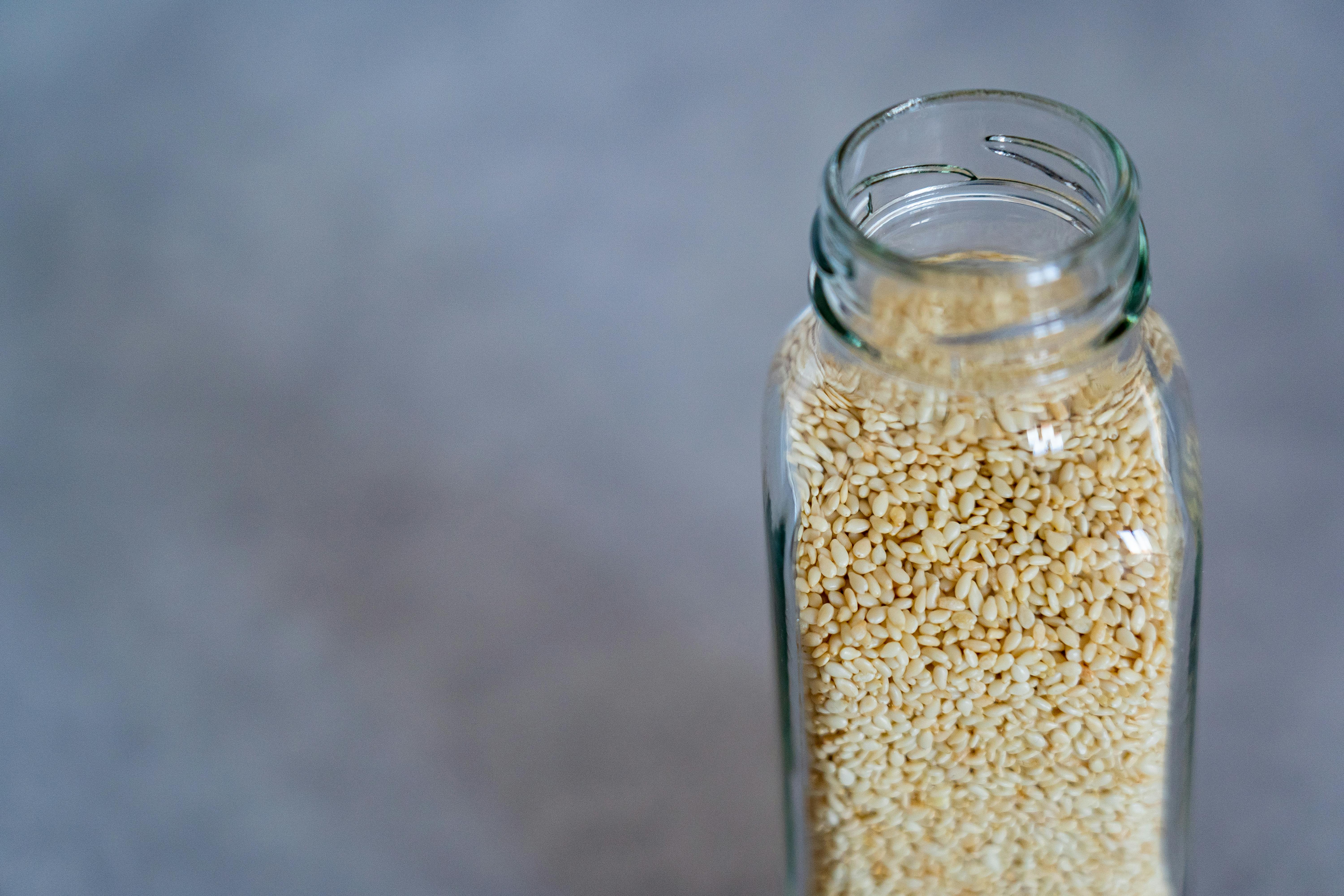
What is Kishk?
Kishk is a type of Middle Eastern dish that is made from cracked wheat, yogurt, and garlic. It can be served either as a main dish or a side dish, and has a unique flavor. It is popular in many countries, including Lebanon, Syria, Jordan, Palestine, Iraq and Egypt. Kishk can also be used to make soups and stews.
Ingredients for Kishk
The main ingredients for kishk are cracked wheat (called burghul in Arabic), yogurt, garlic and salt. The amount of each ingredient can be adjusted according to taste. The cracked wheat should be soaked overnight in cold water before it is used in the dish. Other ingredients that can be added include onions, tomatoes, spices such as cumin and coriander, and herbs such as parsley or dill.
How to Make Kishk
Kishk is easy to make at home with the right ingredients. Begin by soaking the cracked wheat overnight in cold water. Drain the water the next day and mix the wheat with yogurt and garlic until it forms a thick paste. Add salt to taste.
The mixture should then be spread out on a tray lined with parchment paper and left to dry in the sun for several days until it becomes hard and dry. Once it is completely dry it can be ground into a powder using a food processor or mortar and pestle. The powder can then be stored in an airtight container for up to 6 months.
Kishk can then be used to prepare various dishes such as soups or stews by adding boiling water or broth to the powder along with other ingredients like tomatoes or onions. It can also be eaten as a side dish by mixing some of the powder with olive oil and lemon juice.
Preparing Kishk
Kishk is a traditional Middle Eastern dish which is made using wheat, yogurt, and garlic. Preparing kishk involves combining wheat with yogurt and garlic in a bowl, kneading the mixture into a dough, and then rolling it into small balls. The balls are then dried in the sun until they turn hard. Once dry, the balls are ground into a fine powder. This powder can be used in a variety of dishes or eaten as is.
Storing Kishk
Kishk can be stored for several months if stored correctly. It should be kept in an airtight container in a cool, dry place away from direct sunlight. If stored properly, the powder should have a pleasant smell when opened. Kishk should not be refrigerated as this will cause it to spoil quickly.
Cooking with Kishk
Kishk is an incredibly versatile ingredient that can be used in many different dishes. It can be used to make soups, stews, casseroles, and even desserts! A popular way to use kishk is to add it to cooked lentils or rice for added flavor and texture. Kishk can also be sprinkled on salads or added to yogurt for extra flavor and nutrition.
Serving Kishk
Kishk is usually served as an accompaniment to main dishes such as stews or casseroles. It can also be sprinkled on top of salads or added to yogurt for extra flavor and nutrition. For those who prefer a sweeter taste, kishk can also be mixed with honey or sugar before serving.
Kishk Recipes
Kishk is a traditional Middle Eastern dish made of fermented wheat and yogurt or labneh. It has a distinctive sour taste and is often used as a base for savory dishes. Kishk can be used in a variety of recipes, from soups and stews to salads, sandwiches, and even desserts. Here are some delicious recipes using kishk that you can try at home.
Kishk Soup: This hearty soup is perfect for chilly days. Start by sautéing chopped onions in olive oil until softened. Add garlic and cook until fragrant. Then add diced tomatoes, chicken broth, and cooked kishk. Simmer for 15 minutes before adding cooked chickpeas, kale, and cilantro. Season with salt and pepper to taste before serving hot with crusty bread.
Kishk Salad: This light yet flavorful salad makes the perfect summer side dish. Start by combining cooked kishk with chopped cucumbers, tomatoes, red onions, feta cheese, olives, and parsley in a large bowl. In a separate bowl mix together lemon juice, olive oil, garlic powder, oregano, salt and pepper then pour over the salad ingredients and stir to combine. Serve chilled.
Kishk Burgers: These tasty burgers make a great weeknight dinner option! Combine ground beef with cooked kishk in a large bowl then form into patties. Heat oil in a skillet over medium-high heat then cook the burgers until desired doneness is reached (about 4 minutes per side). Serve on buns with your favorite burger toppings such as lettuce, tomato slices, onion slices or pickles.
Kishk Pizzas: This unique pizza topping will be sure to please everyone’s taste buds! Preheat oven to 425°F (220°C). Spread cooked kishk onto pizza dough then top with your favorite ingredients such as olives, mushrooms or artichoke hearts. Bake for 12-15 minutes or until crust is golden brown. Enjoy!

Conclusion
Kishk is a traditional Middle Eastern food which contains a variety of nutritional benefits. It is high in protein, calcium, and dietary fiber as well as containing important vitamins and minerals such as iron, zinc, magnesium, and potassium. It can be prepared in many different ways and can be easily incorporated into a variety of dishes. Kishk is an excellent source of nutrition for those looking to add more protein or dietary fiber to their diets. Additionally, it is a healthy substitute for those looking to reduce their intake of fat or cholesterol.
In conclusion, kishk is an incredibly nutritious food that can provide important health benefits such as improved digestion, weight management and reduced risk of chronic diseases. Kishk should be included in any diet as it has numerous nutritional benefits that can help improve overall health.
0 Comments