
Cream is a dairy product that is made from the high-fat layer skimmed from the top of fresh and unpasteurized cow’s milk. It is a versatile ingredient in many types of cooking, baking and other food preparations, and can be used for both sweet and savory dishes.
Cream can be used to make dishes both richer and creamier. It may also be used to bind, thicken or emulsify a variety of sauces, soups, custards, puddings and pies. Whipping cream can be added to cake batters to make them lighter and fluffier when baked. When heated in sauces or soups, it adds depth and richness to the flavor.Cream is a dairy product that is composed of the higher-butterfat layer skimmed from the top of milk before homogenization. Cream typically contains between 18 and 30 percent butterfat, and it is used in many types of cooking, baking, confections, and sauces. It can be whipped to add volume and lightness to desserts or used as a thickener for soups or other dishes.
Cream has many different varieties based on fat content, such as light cream (18 percent butterfat), half-and-half (10.5 percent butterfat), single cream (18–20 percent butterfat) and double cream (45–48 percent butterfat). Whipping cream will double in volume when aerated and can be used to top desserts or make mousses. Heavy cream has the highest fat content of all types of cream, so it does not whip as well but lends a rich flavor to sauces and soups.
In addition to its culinary uses, cream is sometimes used in cosmetics for its hydrating properties or in medical applications for its anti-inflammatory benefits.
Contents
Uses of Cream in Cooking
Cream is a versatile ingredient used in many different types of cooking. It can be used to add richness and flavor to dishes, as well as providing a creamy texture. Cream is most commonly used in desserts, such as custards, ice cream, and mousses. It can also be used to thicken soups, sauces, and gravies. Cream is also often added to hot drinks like coffee and tea for a creamy finish.
Cream can also be used to make sauces for pasta dishes or fish. Adding cream to a basic tomato sauce can give it a richer flavor and creamier texture. Creamy cheeses like Brie or Camembert are ideal for adding flavor and texture to sandwiches or pizza toppings. Adding cream to mashed potatoes will give them an extra smooth texture.
Cream is also great for baking cakes and cookies as it adds moisture and richness. It can also be whipped with sugar to create delicious frostings or fillings for cakes. Whipped cream can also be used as a topping on desserts such as pies, tarts, and trifles. To make the most of your cream when cooking, try adding it towards the end of the recipe so that it retains its flavor and creamy texture.
When using cream in recipes, you should take into account the fat content of the particular type you are using – some creams have more fat than others – as this will affect the outcome of your dish significantly. Always check the label before purchasing or using any type of cream in your cooking!
Types of Cream
Cream is a thick, rich and creamy liquid that comes in many varieties and is used in a variety of ways. The most common types of cream are heavy cream, light cream, half-and-half, single cream, double cream, clotted cream and whipped cream.
Heavy cream is a high-fat product that contains 36 to 40 percent fat and is best used for making whipped or beaten dishes such as mousses or sauces. Light cream contains 20 to 30 percent fat, making it suitable for recipes that call for lighter ingredients such as soups and sauces. Half-and-half is a combination of equal parts light cream and milk. It has 10 to 18 percent fat and can be used in place of light or heavy cream in some recipes.
Single Cream has 18 to 20 percent fat content and it is suitable for pouring over desserts or adding to dishes as an additional flavor element. Double Cream has 48 percent fat content, making it the ideal choice for making rich desserts such as custards or ice creams. Clotted Cream is made by gently heating unpasteurized cow’s milk to create a thick, creamy texture with 55 to 60 percent fat content. This type of cream is best enjoyed on scones with jam or other sweet treats. Whipped Cream contains 30 to 40 percent fat and air bubbles that give it its soft texture when it has been whipped into peaks with sugar added for sweetness.
How to Select Cream for Cooking
Cream is an important ingredient in many recipes. It adds flavor, texture, and richness to dishes like soups, casseroles, and desserts. Making sure you select the right cream for your recipe is an important step in achieving a successful dish. Here are some tips on how to select the best cream for your cooking needs.
First, consider the fat content of the cream. Different recipes call for different levels of fat content in the cream, so make sure to check the nutrition label when selecting a cream. Higher fat creams such as heavy cream and double cream are best for making rich desserts like ice cream and custards. Lower fat creams such as half-and-half or light cream are better suited for recipes where a lighter texture is desired, such as sauces or soups.
Next, consider if you need a sweetened or unsweetened variety of cream. Sweetened creams contain added sugar and are best suited for desserts or beverages like coffee or tea. Unsweetened creams have no added sugar and can be used in savory dishes like sauces or casseroles where sweetness would be undesirable.
Finally, consider if you need a pasteurized or unpasteurized variety of cream. Pasteurized creams have been heated to kill any potentially dangerous bacteria, while unpasteurized creams contain live bacteria that may carry certain risks if consumed raw. Pasteurized creams are best for dishes that don’t require further cooking such as whipped toppings and cold salads, while unpasteurized creams are suitable for dishes that will be cooked thoroughly.
By following these tips on how to select the right type of cream for your recipe, you can ensure that your dish turns out delicious every time!
How to Store Cream for Cooking
Storing cream properly can make a big difference when you are cooking. Cream is a versatile ingredient that can be used in many recipes. However, it needs to be stored correctly in order to maintain its quality and flavor. Here are some tips on how to store cream for cooking:
• Keep refrigerated cream at temperatures between 35°F and 40°F. Any higher and the cream may spoil quickly. If you don’t have a thermometer, make sure the refrigerator is set at its coldest setting.
• If you are using fresh cream, be sure to use it within a day or two of purchase. Fresh cream does not keep as long as pasteurized or ultra-pasteurized cream.
• When storing opened containers of pasteurized or ultra-pasteurized cream, make sure to tightly seal the lid after every use. This will help keep the cream from spoiling.
• When storing opened containers of pasteurized or ultra-pasteurized cream in the refrigerator, make sure it is on the lowest shelf and away from any strong odors or foods that could affect its flavor.
• If you need to store opened containers of pasteurized or ultra-pasteurized cream for more than a few days, freezing it is an option. Place it in an airtight container and freeze immediately after opening; this will help preserve its flavor and texture. Thaw it overnight in the refrigerator before using.
By following these simple tips, you can ensure that your cooking with cream is always perfect!
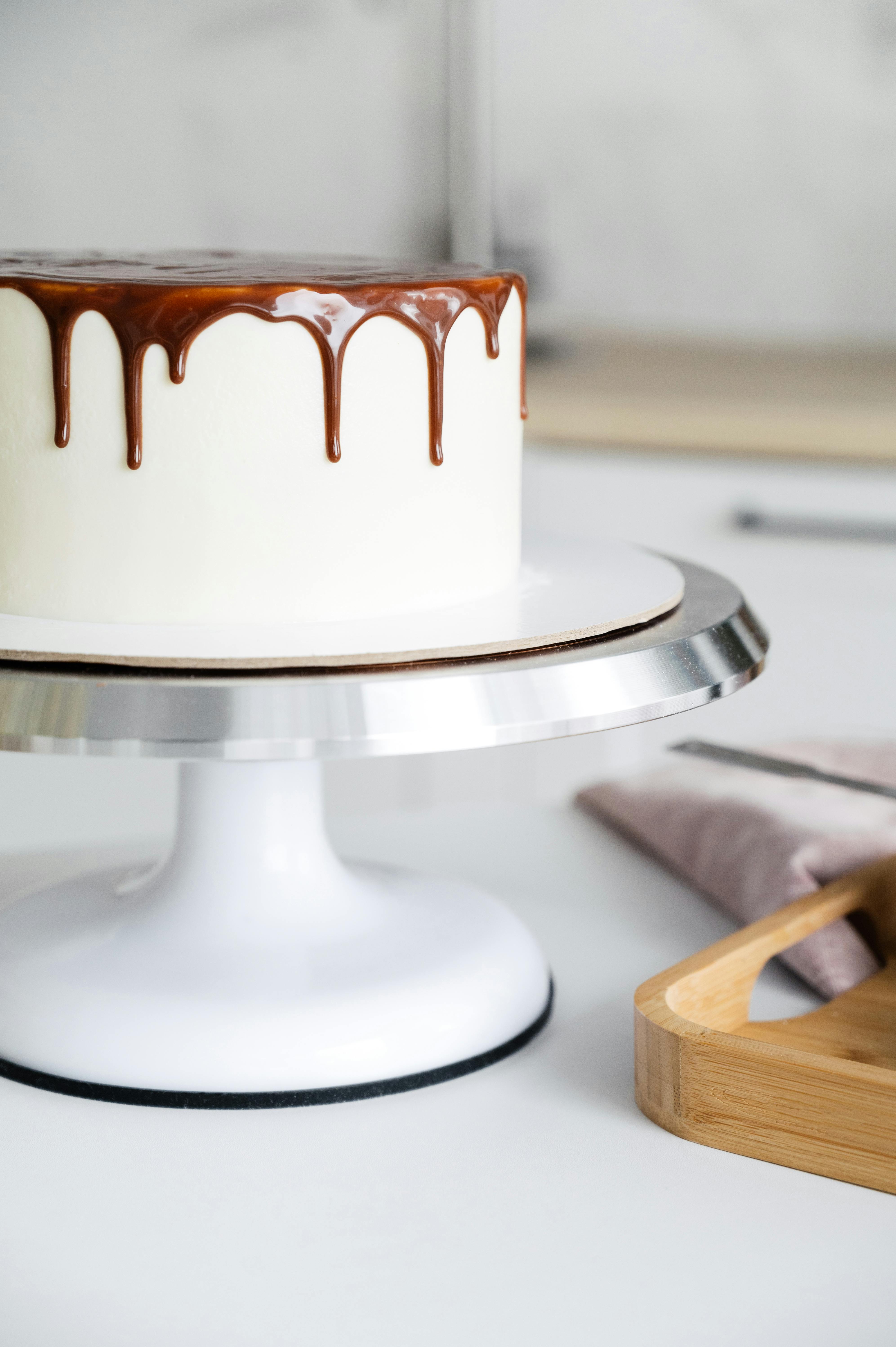
Cream in Recipes
Cream is a versatile ingredient that can be used in many different recipes. It adds flavor, texture, and richness to dishes and can be used as a base for sauces, soups, and desserts. There are many different types of cream available; from heavy cream to light cream and even non-dairy varieties. Here are some of the ways you can use cream in recipes:
- Soups: Cream is often used to add body and richness to soups. It can also be used as a thickening agent for chowders or bisques.
- Sauces: Cream is the base for many classic sauces such as Alfredo, béchamel and hollandaise.
- Pasta Dishes: Cream is often used in pasta dishes such as macaroni and cheese, carbonara, or fettuccine Alfredo.
- Baked Goods: Cream adds moisture and richness to cakes, muffins, breads, cookies and other baked goods.
- Desserts: Cream is an essential ingredient for making whipped cream, ice cream, custards and puddings.
Cream can also be used to make savory dishes such as creamy vegetable soups or white sauces for fish or chicken. Non-dairy varieties of cream are great for those who prefer plant-based diets or have dairy allergies or sensitivities. No matter how you use it, cream will add flavor and richness to any dish!
Benefits of Using Cream in Recipes
Cream is a versatile ingredient that can be used in a variety of recipes. It adds flavor, rich texture, and moisture to many dishes. Cream is high in fat and protein, making it an excellent source of nutrition. It is also low in calories, so it can be used without adding extra calories to your dish. Here are some of the key benefits of using cream in recipes:
Flavor: Cream has a subtle, rich flavor that can enhance the flavor of many dishes. Adding cream to a dish can help bring out the flavors of other ingredients and make them more prominent.
Texture: Cream gives dishes a rich and creamy texture that can make them more enjoyable to eat. It also helps thicken sauces and soups, making them more flavorful and satisfying.
Moisture: Cream is high in fat and protein, which helps keep dishes moist. This makes it an excellent ingredient for baking cakes, muffins, and other desserts that need to remain moist while baking.
Nutrition: Cream is high in fat and protein, which makes it an excellent source of nutrition. It is also low in calories, so it can be used without adding extra calories to your dish.
Using cream in recipes can add flavor, texture, moisture and nutrition to your dishes. With so many benefits, it’s no wonder why cream is such a popular ingredient!
Advantages of Using Cream in Recipes
Using cream in recipes can add a delicious richness and texture to dishes. Cream is a versatile ingredient that works well in sweet and savory dishes. It adds flavor, moisture, and a creamy texture to sauces, soups, baking recipes, and more. Cream can also help bind ingredients together in dishes like quiches or pies. As an added bonus, cream is low in carbohydrates and provides healthy fats. This makes it a great choice for those on a low-carb or ketogenic diet.
Disadvantages of Using Cream in Recipes
While cream can make dishes richer and more flavorful, it can also add excess calories and fat to recipes. This can be an issue for anyone trying to watch their calorie or fat intake for health reasons. Additionally, not all types of cream are equal; heavy cream has higher fat content than light cream or half-and-half. Furthermore, because cream is dairy-based it’s not suitable for those with lactose intolerance or vegan diets. Finally, certain recipes may need additional thickening agents when using cream as an ingredient to achieve the desired texture and consistency.

Conclusion
In conclusion, cream is an essential ingredient in many recipes, used to add flavor and richness to a dish. It can be used in sweet and savory dishes alike, as well as desserts and baked goods. It is a versatile ingredient that can be used in a variety of ways, from thickening sauces to making smooth and creamy soups. Its high fat content makes it an ideal choice for those looking for a luxurious finish to their dish. Cream can also be used to provide extra moisture or texture to a dish. No matter how you use it, cream is sure to make your culinary creations even more delicious!
With its rich flavor and creamy texture, cream is an excellent addition to any type of recipe. Whether you are using it for baking, making sauces or soups, or adding extra moisture or texture – cream will make your dishes more flavorful and luxurious. So go ahead – get creative with your cooking!
0 Comments