
Khoa is an important ingredient in Indian cuisine, used to make sweets and savory dishes. Khoa is a dairy product made from the frozen or evaporated milk of cows, buffaloes, or goats. It is a thick and creamy paste made by boiling milk on low heat until it thickens and reduces in volume.
Khoa is widely used in Indian cuisine for making various types of sweets such as pedas, burfi, ladoo, etc. It can also be used to prepare savory dishes such as koftas and kormas. The creaminess of the khoa gives these dishes a rich and smooth texture that cannot be replicated with other ingredients. Additionally, it imparts flavor to the food when cooked with spices such as cardamom and saffron.Khoa is a traditional Indian sweet made with solidified, sweetened milk. It is a dairy product that is similar to yogurt or condensed milk and is often used in desserts. This sweet is prepared by boiling full-fat milk for several hours until the desired consistency of solidification is achieved. Khoa can be used as the base for many other Indian sweets, such as rasmalai, gulab jamun, and kalakand. It can also be eaten on its own or added to desserts like halwa and burfi.
Khoa can be easily made at home but it takes a lot of time and patience to prepare it properly. The cooking process must be done slowly over low heat in order to ensure that the milk solids are cooked thoroughly and that the correct consistency is achieved. Once prepared, khoa can be stored in an airtight container in the refrigerator for up to two weeks.
Contents
Khoa in Indian Cuisine
Khoa is a type of milk solids used extensively in Indian cuisine. It is used to make a wide variety of sweets, desserts, and savory dishes. It has a creamy texture and sweet taste which makes it an ideal ingredient for making rich, delicious dishes. In India, khoa is made by boiling full-fat milk over low heat until it thickens and the fat separates out. This mixture is then cooled and strained to get the desired consistency.
Khoa can be used in many different ways in Indian cuisine. It can be used to thicken gravies and curries, or added to sweets like gulab jamun or kalakand. Sweets like pedas, mysore pak, and burfi are also made with khoa as the main ingredient. For savory dishes, khoa can be added to make vegetable cutlets or even stuffed parathas. Khoa can also be used as a topping on baked goods like cakes or muffins for an extra creamy flavor and texture.
Khoa is not just used for cooking; it is also eaten as a snack on its own. Roasted khoa with some spices added to it makes an excellent snack or side dish that pairs well with roti or rice dishes. Khoa can also be enjoyed as part of chaat recipes like dahi puri or sev puri for an indulgent treat.
All in all, khoa is an incredibly versatile ingredient that can be used in both sweet and savory dishes in Indian cuisine. Its creamy texture and sweet taste make it a popular choice among chefs looking for new ways to add richness to their recipes.
Types of Khoa
Khoa is a product made from the solidification of boiled and evaporated whole milk. It has a dry, crumbly texture and can be used in a variety of dishes. It is an essential ingredient in many traditional Indian desserts. There are several types of Khoa available in India, each with its own unique characteristics and uses.
The first type of khoa is called mawa. This type has a coarse texture and is typically used to make sweets such as burfi and pedas. Mawa can also be used in savory dishes such as koftas or pulao, where it adds a creamy texture to the dish.
The second type of khoa is called khoya or kova. This type has a fine, smooth texture and is highly versatile, making it suitable for use in both sweet and savory dishes. Khoya can also be used as an ingredient in some Indian breads, such as naan or paratha.
The third type of khoa is called dhoodh khoya or dheno khoya. This type has the same fine consistency as khoya but with a more intense milky flavor. It can be used to make some traditional Indian sweets such as besan laddoo and gajar halwa, or even incorporated into savory dishes such as curries or biryanis.
Finally, there is also a fourth variety called paneer khoya or chhana khoya which has an even finer texture than the other varieties but with an intense milky flavor similar to dhoodh khoya. Paneer khoya can be used to make Indian cheeses like paneer tikka masala or palak paneer, as well as desserts like gulab jamun or rasmalai.
All four types of Khoa are widely available throughout India and can be found at many local markets and stores. Each variety has its own distinct properties that make it suitable for different recipes. Whichever type you choose for your dish will depend on the flavor profile you are looking for, so it’s important to choose wisely!
The Process of Making Khoa
Khoa is a dairy product made by condensing milk. It is used in sweet dishes and desserts in Indian cuisine. The process of making khoa involves several steps, and each step needs to be done with precision and care. The first step is boiling the milk until it thickens and reduces in volume. This step can take up to an hour, depending on the amount of milk being boiled. Once the milk has been reduced, it is transferred to a pot for further boiling on a low flame until it thickens further and takes on a creamy consistency. The next step involves stirring the mixture continuously as it begins to turn solid. This process requires patience as it can take up to two hours or more for the khoa to become solid enough. Once the desired consistency is achieved, the khoa should be transferred immediately into flat trays or plates for cooling and solidifying. After the khoa cools down, it should be broken into small pieces before being used in recipes.
It is important to note that khoa should not be cooked too long or at too high of a heat as this will cause it to become dry and harden quickly. Also, stirring too vigorously while cooking can make the khoa lumpy and difficult to use in recipes. Therefore, patience is key when making this traditional Indian dairy product!
Health Benefits of Khoa
Khoa is a traditional Indian dairy product made from boiled and reduced whole milk. It is a popular ingredient used in many Indian sweets and desserts. Not only is it delicious, but it is also incredibly healthy. Here are some of the health benefits of khoa:
High in Nutrients: Khoa is an excellent source of protein, calcium, and other minerals. It is also high in healthy fats and carbohydrates. The combination of these nutrients makes khoa a nutrient-rich food that can be beneficial to your health.
Good for Digestion: The fat and protein content in khoa helps to support digestion. It can help break down food more easily, reducing indigestion and bloating. In addition, the calcium in khoa helps to maintain the acid-base balance in the stomach, which aids digestion.
Boosts Immunity: The vitamins and minerals in khoa can help boost immunity. Vitamin A helps to strengthen the body’s natural defense system while zinc helps with wound healing and fighting off infections. Calcium also plays an important role in building strong bones, teeth, and muscles.
Improves Bone Health: The calcium found in khoa helps to strengthen bones and reduce the risk of osteoporosis. It also helps to reduce inflammation which can lead to joint pain and discomfort.
In addition to its health benefits, khoa can be used as an ingredient for many different types of dishes such as halwas, laddues, barfis, gulab jamuns, rasgullas and more! With its versatility and health benefits, it’s no wonder that khoa has been used for centuries as a staple dairy product in India.
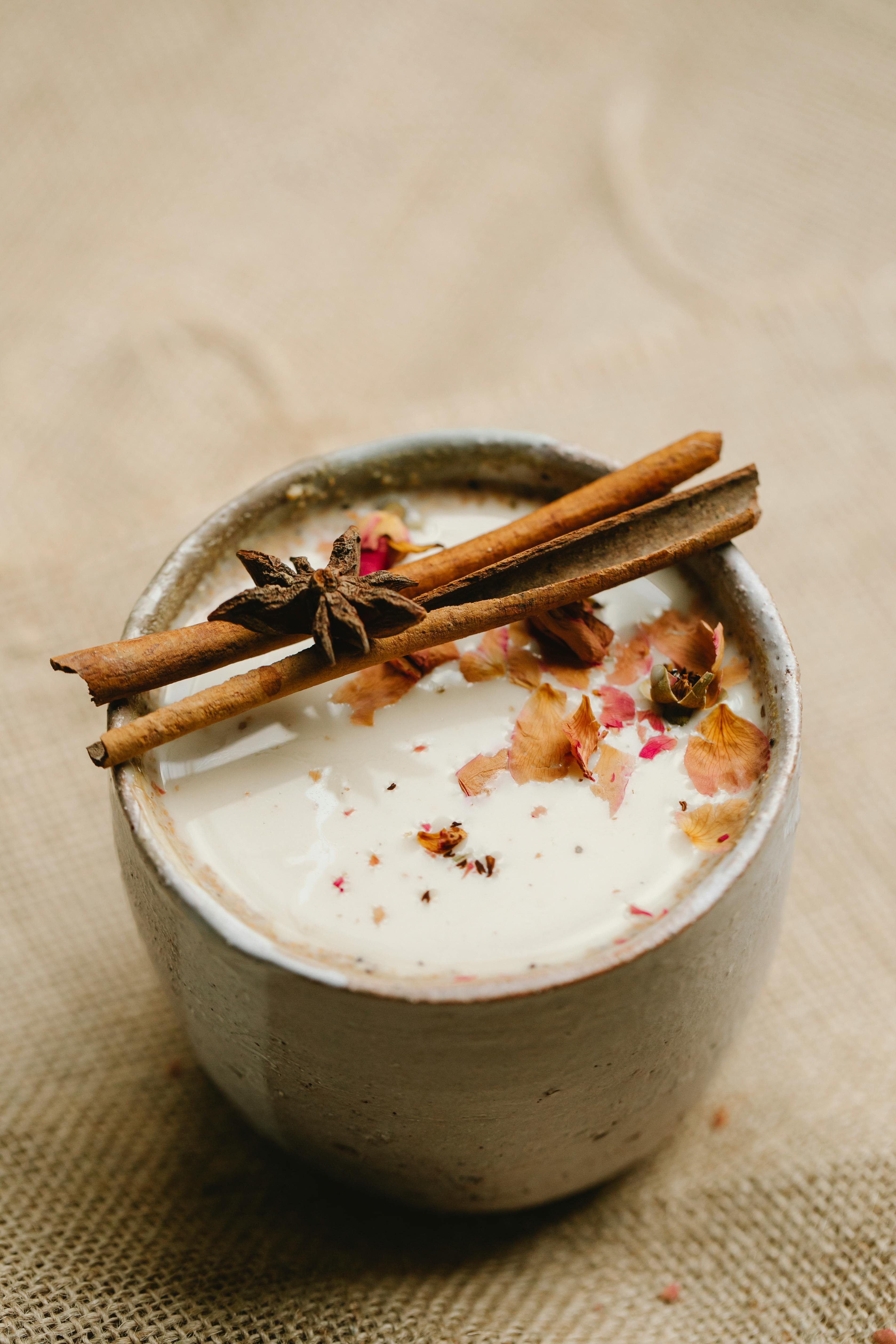
Khoa Used in Desserts and Sweets in India
Khoa is a dairy product popularly used in making desserts and sweets in India. It is made by evaporating the moisture of buffalo or cow’s milk until it forms a semi-solid lump. Depending on the amount of water remaining, khoa can be classified into three types: bhatti, khava and mawa. Bhatti is the driest version and has a crumbly texture. Khava has more moisture than bhatti, making it softer and easier to shape. Mawa is the wettest form of khoa, with a thick and creamy texture that melts in your mouth.
Khoa is used as an ingredient for various desserts such as barfi, pedas, halwa, gulab jamun, rasgulla, kalakand and many more. Some sweets are made from pure khoa while some require combining it with other ingredients like nuts and fruit purees to enhance its flavour. It also forms an important part of many regional delicacies such as methi pak from Rajasthan, basundi from Gujarat, shrikhand from Maharashtra and payasam from Kerala.
Khoa is not only popularly used in Indian sweets but also makes an excellent base for savoury dishes like cauliflower curry or palak paneer. The addition of khoa gives these dishes a creamy texture that make them irresistibly delicious! It can also be used as stuffing for samosas or parathas to add richness to Indian snacks. With its versatility and rich flavour profile, it’s no wonder why khoa continues to be an indispensable part of Indian cuisine!
Khoa as a Substitute for Desi Ghee
Khoa is an Indian dairy product made by solids, like milk solids, that are slowly cooked until they turn into a dense, fudgy mass. It is usually made out of either buffalo or cow milk, and can be used as a substitute for desi ghee in many recipes. It is popularly used in the form of sweet dishes such as peda, burfi, and chum chum.
Desi ghee is a clarified butter that is commonly used in Indian cuisine. It has long been touted for its health benefits, particularly its rich content of essential fatty acids and vitamins A and E. However, due to its high fat content and caloric value, it has also been linked to certain health risks such as obesity and diabetes.
Khoa can be used as an effective substitute for desi ghee in many dishes. It has a similar texture and taste to desi ghee but contains much lower amounts of fat and calories. This makes it a healthier option for those who want to enjoy the same flavors without the added risk of health issues associated with desi ghee. Additionally, khoa is easily available in most grocery stores across India and can be stored at room temperature without refrigeration..
Khoa also has some unique properties that make it ideal for use in certain recipes where desi ghee would not work well. For example, khoa melts easily when heated which makes it perfect for use in recipes such as halwa or cake batter where desi ghee may not melt completely or evenly when heated. Additionally, khoa binds well with other ingredients which makes it great for thickening sauces or gravies where desi ghee may not hold up well under heat.
In summary, khoa is an excellent substitute for desi ghee in many recipes due to its lower fat content and calorie count while still providing the same flavor profile as traditional clarified butter products. Moreover, its unique properties make it suitable for use in recipes where traditional clarified butter products would not work well.
Traditional Dishes Made with Khoa
Khoa, a solid form of milk fat, is an important ingredient in Indian food. It is widely used in many traditional dishes like pedas, burfi, mishri mawa, and ladoo. The rich creamy texture and sweet flavor of khoa makes it ideal for making traditional sweets. Pedas are among the most popular sweet made with khoa. These round sugar-coated delights are made of cooked condensed milk and sugar that is flavored with cardamom or saffron. Burfi is another classic Indian sweet made with khoa. This fudge-like dessert is often flavored with cardamom or saffron and can be garnished with chopped nuts or dried fruits. Mishri mawa is a soft and chewy treat made from khoa combined with sugar and nuts like pistachios or almonds. Ladoo are bite-sized balls of khoa, ghee, and other ingredients like nuts or poppy seeds that are bound together by sugar syrup. Khoa can also be used to make savory dishes like kadhi or koftas. Kadhi is a yogurt-based curry that can be flavored with spices like cumin and coriander while koftas are spiced dumplings made from potatoes and paneer that are cooked in a thick gravy.
Khoa has been an integral part of Indian cuisine for centuries and continues to be popular today. Its rich flavor enhances the taste of both sweet and savory dishes making it one of the most versatile ingredients in Indian cooking. So the next time you’re looking for something special for your meal, try one of these traditional dishes made with khoa!

Conclusion
Khoa is an important ingredient used in Indian cuisine. It is made from boiling, reducing, and evaporating cow’s milk or buffalo’s milk, or a combination of both. The result is a thick, creamy substance that adds flavor to many dishes. Khoa can also be used for making desserts like burfi and peda. Its nutritional value makes it a healthy alternative to dairy products, as it is low in fat and high in protein. Khoa can also be used to thicken sauces and gravies in various recipes.
Overall, khoa has been an integral part of the Indian culinary tradition for centuries. Its versatility makes it a great ingredient to use in a wide range of dishes, both sweet and savory. From desserts to curries, khoa adds flavor and texture that cannot be replicated with any other ingredient.
In conclusion, khoa is an essential component of Indian cuisine due to its unique properties and distinct flavor profile. It enhances the taste of the food without compromising its nutritional value or health benefits. Therefore, it is highly recommended for any cook who wants to explore the world of Indian flavors and cooking styles!
0 Comments