
Soured milk is a dairy product that has been fermented, or “soured”, in order to produce an acidic flavor. It is made by adding bacteria-containing cultures to pasteurized milk. This process causes the milk to ferment, forming lactic acid which gives it a sour taste and thickens the consistency. Soured milk has a long history of being used as a cooking ingredient and as a health food, with various health benefits associated with it.
The health benefits of soured milk are due to the presence of lactic acid bacteria, which are beneficial bacteria found in fermented foods such as yoghurt and kefir. These bacteria help support digestion and immunity, as well as providing essential vitamins and minerals. Additionally, soured milk is easier to digest than regular milk due to its lower lactose content.Soured milk is a dairy product that has gone through a process of fermentation. This fermentation is caused by the introduction of bacteria to the milk, either through using an agent like lactic acid bacteria or allowing the milk to sit out at room temperature until it ferments on its own. The bacteria “sours” the milk, causing it to become thick and acidic in flavor.
Soured milk can be used in a variety of ways. It can be used as an ingredient in baked goods, in making cheese, or even as a substitute for buttermilk. In some cultures, soured milk is also consumed as a beverage on its own. Soured milk can also be mixed with spices and other ingredients to make various dishes such as curd rice and yogurt-based desserts.
Soured milk is often considered more nutritious than regular pasteurized cow’s milk because it contains more beneficial bacteria and enzymes that are produced during fermentation. Additionally, soured milk typically has fewer lactose molecules than regular pasteurized cow’s milk which makes it easier for those with lactose intolerance to digest.
Contents
Types of Soured Milk
Soured milk is a type of dairy product that has gone through an acidification process to create a sour taste. It is usually made by adding lactic acid bacteria, such as Lactobacillus, to regular milk. This process can be done naturally or artificially. The resulting product can be used in a variety of recipes, or it can be consumed as-is. There are several types of soured milk, each with its own unique flavor and texture.
One type of soured milk is yogurt. This popular dairy product is made by adding Streptococcus thermophilus and Lactobacillus bulgaricus cultures to pasteurized milk and incubating the mixture at a warm temperature for several hours. The end result is a thick, tart-flavored yogurt that can be eaten on its own or used in cooking and baking recipes.
Another popular type of soured milk is kefir. This fermented dairy beverage is made by adding kefir grains (a combination of yeast and lactic acid bacteria) to milk and allowing it to ferment for up to 24 hours at room temperature. The end product has a tangy taste with notes of tartness, making it a favorite for smoothies and shakes.
Buttermilk is another type of soured milk that has been around for centuries. It’s traditionally made by adding lactic acid bacteria to skimmed or low-fat cow’s milk and allowing it to ferment for up to 48 hours at room temperature. Buttermilk has a slightly sour flavor that makes it ideal for baking recipes such as pancakes, biscuits, waffles, and muffins.
Finally, cultured buttermilk is yet another form of soured milk that can be found in grocery stores today. This modern version takes traditional buttermilk one step further by adding probiotic cultures such as Lactobacillus acidophilus or Bifidobacterium lactis during the fermentation process. As a result, cultured buttermilk has higher amounts of beneficial bacteria than regular buttermilk, making it an excellent choice for those looking to boost their digestive health with probiotics.
What is Soured Milk?
Soured milk is milk that has been exposed to bacteria, either purposely or accidentally. The bacteria produce lactic acid, which causes the milk to sour. This process can be done intentionally in order to create various types of cheese and other dairy products, or it can occur accidentally if the milk is not stored properly.
How Does Soured Milk Taste?
Soured milk has a tangy flavor and a slightly acidic taste. It is similar in taste to yogurt but slightly thinner in consistency. Depending on how long it has been soured for, it can range from mildly tart to quite sour. It also has a slightly pungent smell which can be off-putting for some people, although many find the taste quite pleasant.
The Benefits of Soured Milk
Soured milk is a nutritious and delicious dairy product that has been around for centuries. It is made by fermenting milk, which has numerous health benefits. Here are just a few of the many benefits of soured milk:
- Rich in probiotics: Soured milk contains beneficial bacteria, such as Lactobacillus acidophilus, which helps to keep your digestive system balanced and healthy. This helps to boost your immune system and reduce inflammation.
- High in nutrients: Soured milk is an excellent source of calcium, protein, vitamins A and D, phosphorus and magnesium. These are essential for strong bones and teeth, healthy skin and hair, as well as overall health.
- Low in lactose: Since soured milk is already partially digested by the bacteria during fermentation process, it is easier to digest than regular milk. This makes it a great option for people who are lactose intolerant.
- Lower cholesterol levels: Studies have shown that drinking soured milk can help to lower cholesterol levels in the body. This can reduce the risk of developing heart disease or stroke.
Soured milk can be enjoyed on its own or used in various recipes such as cheesecakes, muffins or smoothies. It is also an excellent addition to shakes and smoothies for added nutrition. You can even use it to make homemade yogurt!
How to Make Soured Milk at Home
Making soured milk at home is an easy and cost-effective way to enjoy a delicious, tangy treat. It’s also a great way to use up milk that’s past its expiration date or has been sitting in the fridge for too long. With just a few simple ingredients and steps, you can make your own soured milk right in your own kitchen. Here’s how:
Ingredients:
• 2 cups of fresh milk
• 1 teaspoon of white vinegar or lemon juice
• 1 teaspoon of sugar (optional)
Instructions:
1. Start by pouring the milk into a medium-sized bowl. Make sure the bowl is big enough to accommodate both ingredients without overflowing.
2. Next, add the vinegar or lemon juice and stir until it is fully incorporated into the milk. You can also add one teaspoon of sugar if you prefer a sweeter taste.
3. Cover the bowl with plastic wrap and let it sit at room temperature for 12-24 hours, stirring occasionally.
4. The longer you let it sit, the more sour it will be so keep that in mind when deciding how long to leave it out.
5. Once it has reached your desired level of sourness, transfer it to an airtight container and store in the refrigerator for up to five days.
That’s all there is to it! With just these few simple steps you can have delicious soured milk ready whenever you need it. Enjoy!
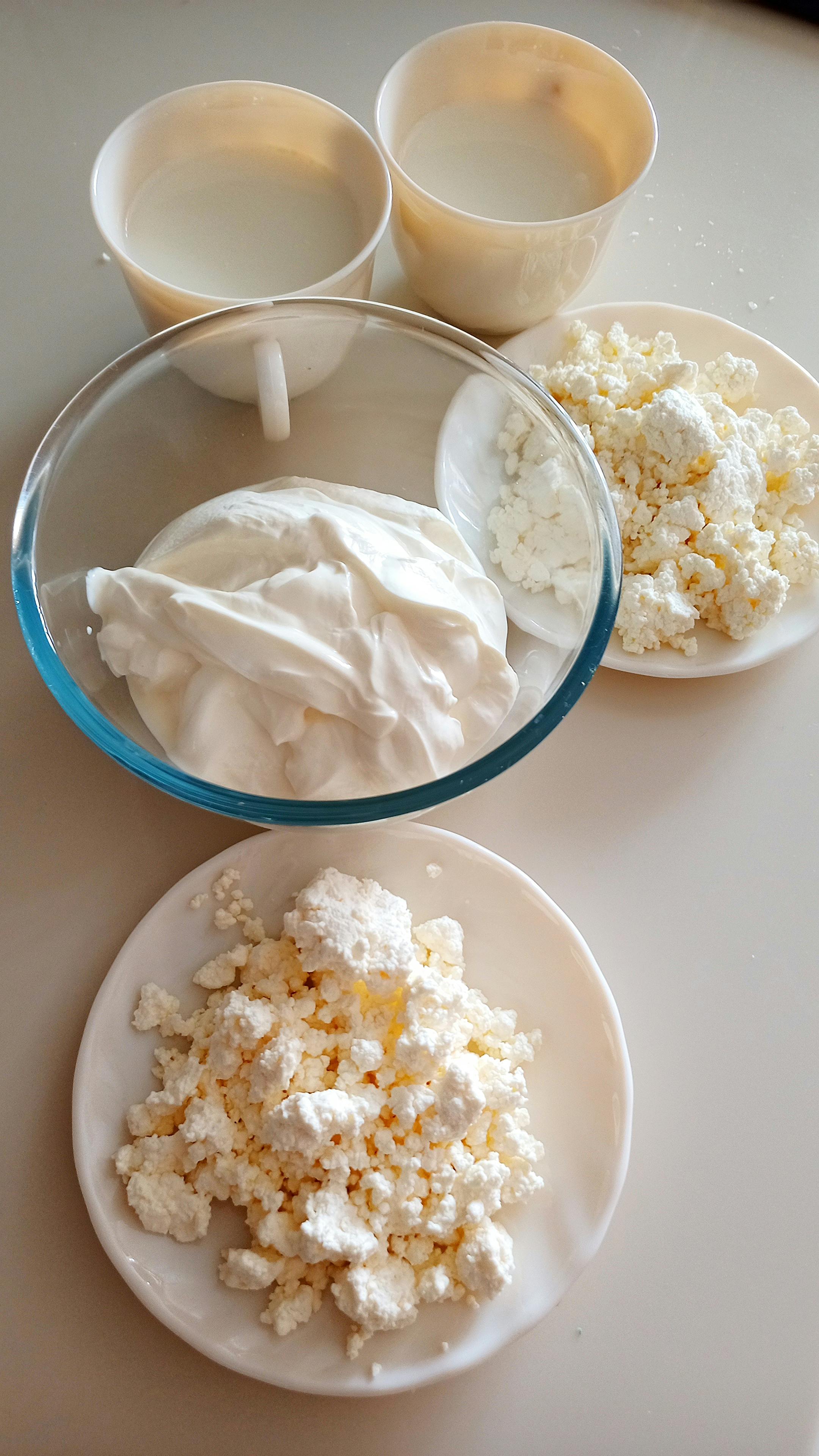
Tips for Making the Best Soured Milk
Soured milk is a delicious and versatile ingredient that can add flavor, texture, and nutrition to many dishes. It’s easy to make at home and can be used in a variety of recipes. Here are some tips for making the best soured milk:
1. Start with high-quality milk. The quality of milk you use is important, as it will affect the flavor and consistency of your soured milk. Look for organic, grass-fed milk if possible.
2. Use an acidic ingredient to sour the milk. Common acidic ingredients include lemon juice, white vinegar, or yogurt starter culture. You’ll need about 2 tablespoons per quart of milk.
3. Give it time to sour. Depending on the temperature of your kitchen and the ingredient you use, it may take anywhere from 4-24 hours for the milk to sour properly. Check on it regularly until you reach your desired flavor and texture.
4. Store it in an airtight container in the refrigerator until ready to use. Soured milk should last up to 10 days in the refrigerator if stored properly in an airtight container or sealed jar/bottle with a lid.
Common Uses for Soured Milk
Soured milk is a versatile ingredient that can be used in a variety of recipes. It adds an acidic flavor that can enhance the taste of many dishes. Some common uses for soured milk include baking, smoothies, sauces, and soups.
Baking
Soured milk can be used in place of regular milk in many baked goods. It adds a tangy flavor and moist texture to cakes, muffins, pancakes, and other treats. The acidity of the soured milk helps activate baking soda and baking powder, allowing baked goods to rise properly.
Smoothies
Soured milk can be used to make creamy smoothies with an extra zing. The acidity of the soured milk complements sweet fruits like mangoes and bananas, making for a well-balanced smoothie packed with flavor.
Sauces
Soured milk can be used as an ingredient in savory sauces or dressings. The acidity helps balance out the flavors in creamy sauces like Alfredo or cheese sauce. It can also be added to salad dressings for a tangier flavor.
Soups
Soured milk is often used as a base for hearty soups and stews. Its flavor pairs well with ingredients such as onions, potatoes, carrots, and other vegetables. Adding soured milk makes soups creamier and more flavorful without adding extra fat or calories.
Storage and Shelf-Life of Soured Milk
Soured milk is a type of milk that has gone through a process of fermentation. It is typically produced by lactic acid bacteria, which cause it to sour. Soured milk has a unique flavor and texture that makes it popular in many recipes. It is also used as a natural probiotic food, as it contains beneficial bacteria that may help with digestion and other health benefits. The storage and shelf-life of soured milk depends on the type of milk used, how it was stored before use, and how long it was left to sour.
Soured milk can be stored in the refrigerator for up to two weeks if it is kept cold (below 40°F or 4°C). It can be stored at room temperature for up to one day, but should be consumed within four hours of being opened. If the soured milk was made from raw or unpasteurized milk, then it should not be stored in the refrigerator and must be consumed within one day.
When storing soured milk, make sure to keep the container sealed tightly so the liquid does not evaporate or spoil prematurely. To extend its shelf life, you can freeze soured milk for up to two months. When freezing soured milk, use an airtight container with a tight lid to prevent freezer burn. When thawing frozen soured milk, make sure to do so slowly in the refrigerator rather than at room temperature.
Souring times will vary depending on how much starter culture is used and what kind of environment the soured milk is placed in (warm vs cold). Generally speaking, most types of soured milks will reach peak sourness after 3-5 days. After this time period, however, they may start to lose their flavor as the bacteria become less active at lower temperatures. Once you have reached your desired level of sourness, you can store the soured milk in the refrigerator or freeze it for longer storage.
Overall, storing and shelf-life of soured milks depend on several factors such as type of milk used, storage conditions prior to consumption and length of time left to sour. If stored properly in an airtight container at cold temperatures (below 40°F or 4°C), most types of soured milks can last up to two weeks in the refrigerator or two months when frozen.

Conclusion
Soured milk is a food product made from pasteurized cow’s milk which has been allowed to ferment. It has a tangy taste, and can be used in many different recipes to add flavor. Souring milk is a safe and easy way to make dairy products, and the process requires minimal effort. Soured milk can also be used to make yogurt and other dairy products that are popular in many cultures.
Soured milk is a nutritious food with several health benefits, including being an excellent source of protein and calcium. It is low in fat, cholesterol-free, and contains beneficial bacteria which may help improve digestion.
Overall, soured milk is a versatile food that can be enjoyed in many different ways. It’s an easy way to add flavor to your meals and snacks, as well as provide essential nutrients for your body. With its health benefits, soured milk can be a tasty option for anyone looking for a nutritious dairy alternative.
Thanks for reading!
0 Comments