
The history of Aryan is an ancient and complex one. This term and its associated concepts have been used and misused in various contexts throughout history, with its modern uses particularly associated with Nazi Germany and the Holocaust.
The term Aryan has been used to refer to a variety of people from the Vedic period in India, the early Aryans who migrated to the Indian subcontinent in the second millennium BCE, as well as Germanic peoples of Europe in the 19th and 20th centuries. This term has also been misused by some people to promote racial superiority, which has unfortunately led to much confusion over its meaning.
In this article, we will explore the history and evolution of this term, looking at its origins and later uses. We will also examine how it has been used for various purposes throughout history, including its misuse by some groups for racist or political goals.The history of the Aryan people can be traced back to the Indo-European migration that occurred around 3000 BC. This migration was a result of the Bronze Age Collapse in which populations in Central Asia, Anatolia, and the Near East were displaced by migrations coming from the steppes of Central Asia. These Indo-European migrants moved southward, settling in India and Iran where they became known as Aryans.
The Aryans were an Indo-Iranian people who spoke an archaic form of Sanskrit known as Vedic Sanskrit. They are believed to have first settled in the area now known as Afghanistan, before spreading out across northern India and Iran.
The Aryans had a significant impact on Indian culture and religion, as they brought with them their own religious beliefs and practices. In particular, they introduced the Vedas, a collection of ancient hymns and rituals which would become a major part of Hinduism. They also introduced two new social classes: the Brahmin (priestly class) and Kshatriya (warrior class).
The Aryan culture flourished in India until around 1000 BC when it began to decline due to invasions from other peoples such as the Persians and Greeks. The arrival of Buddhism also caused many of their religious practices to fade away. By 500 AD, most Aryans had been absorbed into Hinduism or other religions such as Jainism or Buddhism.
In modern times, there has been some controversy over the legacy of Aryan culture due to its association with Nazi Germany during World War II. However, it is important to recognize that Aryan culture was much more than just a racial identity; it was also an important source for many aspects of Indian culture that continue to be practiced today.
Contents
Origin of the Aryan People
The Aryan people are believed to have originated in Central Asia and Southern Russia in the prehistoric era. It is believed that they migrated to India sometime in the late Bronze Age or early Iron Age. The Aryans were a nomadic people who traveled around Central Asia, eventually settling in what is now India.
The Aryan people spoke an Indo-European language called Sanskrit. This language was used by the Vedic culture, which is believed to have been the first major civilization of India. The Aryans also brought with them their own religious beliefs and practices, which were later incorporated into Hinduism as it developed.
The Aryans had a strong warrior culture which is evident from their literature, such as the Rig Veda and other Vedic texts. They also had a strong sense of hierarchy and social structure, which was reflected in their laws and customs. For example, they had a strict caste system that divided people into four classes based on their occupation and lifestyle.
Today, many people still consider themselves to be of Aryan descent, particularly those who practice Hinduism or speak Sanskrit as one of their primary languages. The term “Aryan” has also been adopted by some non-Indo-European ethnic groups who claim to share common ancestry with these ancient peoples. Whatever its origins may be, the legacy of the Aryan people has had a lasting impact on Indian culture and society for centuries.
Possible Migration Routes of the Aryans
The ancient Aryans are believed to have migrated from Central Asia to the Indian subcontinent. This migration is said to have taken place between 1500 and 1200 BCE. The exact route of the Aryan migration remains uncertain, although historians have proposed various possibilities.
One possibility is that the Aryans traveled south along the Bactria-Margiana Archaeological Complex, which is located in what is now northern Afghanistan and western Uzbekistan. From there, they may have gone east along the Oxus River, which runs through Tajikistan, Uzbekistan, and Turkmenistan before entering Iran. From there, they could have gone south toward India through Balochistan in Pakistan.
Another hypothesis suggests that the Aryans moved east along the Caspian Sea from their homeland in Central Asia and then down into Iran. They may have then crossed over into Pakistan through Balochistan and continued on to India. It has also been suggested that some of them may have traveled even further east, possibly as far as China or even Southeast Asia before making their way back to India.
A third theory proposes that the Aryans traveled west from Central Asia into Europe and then down into India through Anatolia in modern-day Turkey or from Greece via Persia or Syria. However, this route is not widely accepted due to lack of evidence for such a long-distance migration.
In addition to these possible routes, it is also believed that some of the Aryans may have traveled southward across what is now Kazakhstan into Afghanistan and then down into modern-day Pakistan and India.
Whatever route they took, it seems clear that the ancient Aryans eventually settled in India around 1500 BCE or earlier. Their arrival marked a major shift in Indian culture and society as well as the beginning of what would become one of the world’s oldest civilizations—the Vedic civilization of Ancient India.
Evidence Supporting the Theory of an Aryan Migration into India
The most widely accepted evidence to support the theory of an Aryan migration into India is linguistic, archaeological, and genetic. The early Sanskrit language is closely related to other Indo-European languages and has strong connections to the Proto-Indo-European language. This suggests that a common ancestor language existed from which all these languages evolved, which supports the theory of a migration from a central point.
Archaeological evidence also supports the theory. The discovery of artifacts such as pottery and tools with similar designs in both India and Central Europe suggests that there was cultural contact between these two regions at some point in history. Genetic evidence further indicates that there were migrations from Central Europe to India in ancient times. Studies have shown that genetic markers present in both populations are similar, indicating a shared ancestry.
Overall, linguistic, archaeological, and genetic evidence all suggest that there was an Aryan migration into India at some point in history. This is supported by the presence of similarities between different Indo-European languages, artifacts found in both India and Central Europe, and genetic data linking both populations together.
The Vedic Age and the Aryan Identity
The Vedic Age is a period of Hindu history that began around 1500 BCE and ended around 500 BCE. It is named after the Vedas, a collection of sacred texts that are the oldest scriptures in Hinduism. During this period, Hinduism evolved from its primitive roots into a religion with a well-defined set of beliefs and rituals. The period also saw the emergence of the Aryan identity in which the people of this region identified themselves as Aryans or Indo-Aryans.
Aryans were a nomadic people who migrated to India from Central Asia around 1500 BCE. They spoke an Indo-Iranian language called Sanskrit, which became the language of religious texts, literature, and philosophy during the Vedic Age. The Aryans were divided into various tribes, such as the Kurus, Panchalas, and others. Each tribe had its own culture, customs, beliefs, and rituals.
The Vedic Age was marked by significant social changes such as caste system and patriarchal society. Caste system divided people into four main groups according to their professions: Brahmin (priestly class), Kshatriya (warrior class), Vaishya (merchant class), and Shudra (labouring class). This system was further divided into numerous sub-castes that determined an individual’s social standing in society.
Patriarchal society was another notable feature of the Vedic Age in which male domination was prevalent in all aspects of life including family structure, inheritance laws, education etc. Women were deprived of basic rights such as owning property or making decisions about their own lives. They had to obey their fathers before marriage and their husbands after marriage.
The Vedic Age also saw significant religious developments with new gods being added to Hindu pantheon such as Vishnu and Shiva who are still worshipped today. This period also saw rise of new philosophical schools such as Yoga and Samkhya which laid down foundations for what is known today as classical Hinduism.
Although much has changed since then in terms of social structure and religious practices, many aspects remain similar to what they were during the Vedic Age including Aryan identity which is still seen among many people living in India today.
The Impact of the Aryans on Indian Culture and Society
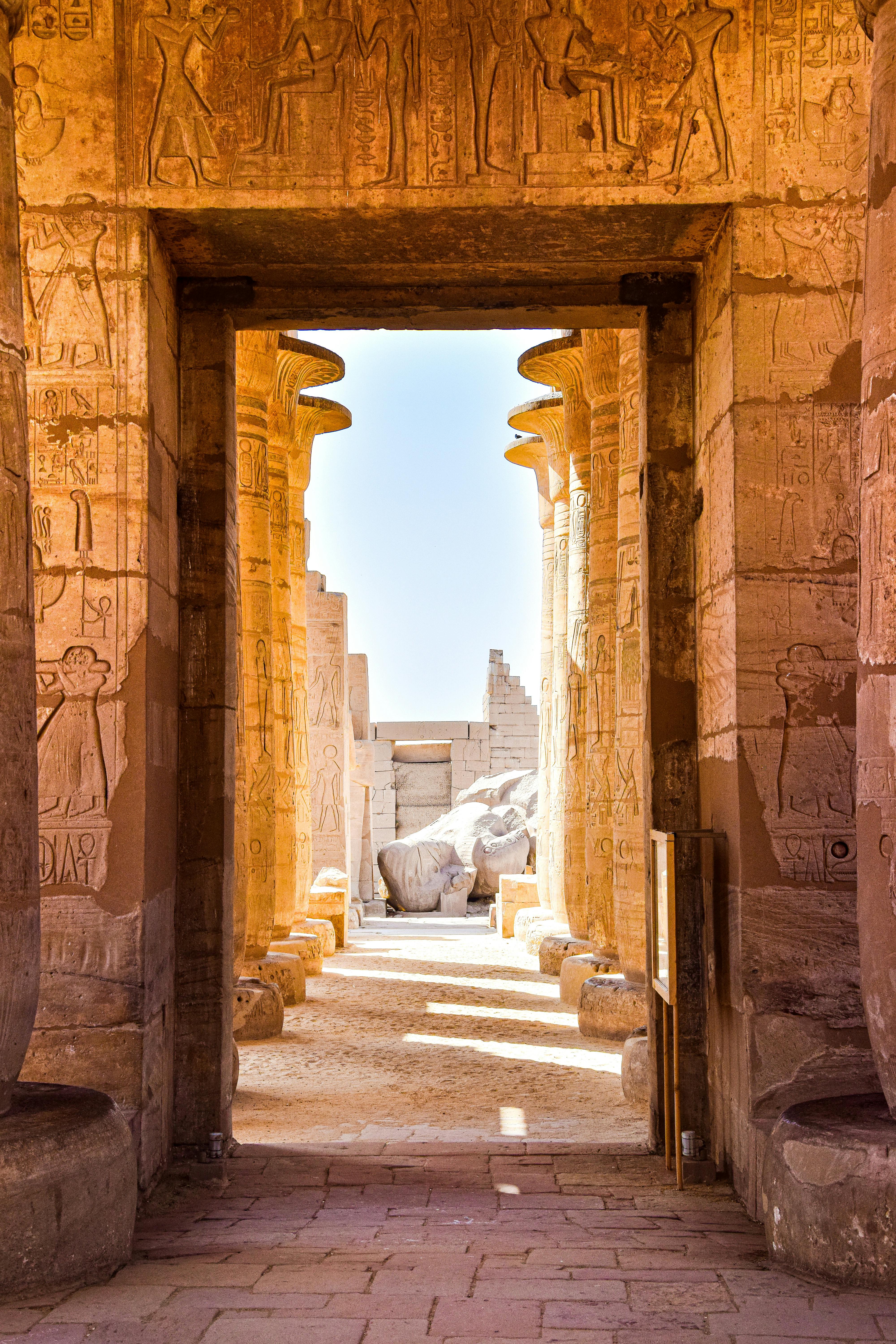
The Aryans were an ancient nomadic people who migrated to India from Central Asia sometime around 1700 BC and settled in northern India. They left a lasting impact on Indian culture and society, introducing new religions, languages, and social structures. They created the Vedic religion and the caste system, which still shapes many aspects of Indian life today.
The Aryans brought with them their language, Sanskrit, which eventually became the language of religion and the literary language of India. It is still used in Hindu scriptures and rituals today.
Another major impact of the Aryans on Indian culture was the introduction of the caste system. The caste system is a hierarchical system that divides people into distinct social classes based on occupation, birth, marriage, or other factors. This system has been in place for centuries and continues to shape many aspects of Indian society and culture today.
The Aryans also introduced new gods to India such as Indra, Agni, Varuna, and Surya who are worshipped by Hindus to this day. Many Hindu festivals such as Diwali or Holi are celebrated in honor of these deities.
In addition to their religious influence, the Aryans also had an impact on Indian literature. Their oral tradition formed the basis for many Sanskrit epics such as The Mahabharata and The Ramayana which are still widely read today. They also introduced a number of literary forms such as drama, poetry, epics, fables, proverbs, riddles that have shaped modern Indian literature both in English and regional languages.
Overall, the impact of the Aryans on India cannot be overstated – they brought with them their own customs and beliefs that have shaped much of modern-day India’s culture and society. From introducing new gods to writing classic epics to creating the caste system – they left an indelible mark on Indian life that will continue to influence generations to come.
Ancient Aryan Society
The ancient Aryan society was an Indo-European culture that originated in the Indian subcontinent around 1500 BC. It was characterized by its strong patriarchal structure, with a caste system and a strict hierarchy of social classes. The Aryan society was divided into four distinct classes: Brahmin (priests), Kshatriya (warriors), Vaishya (merchants), and Shudra (servants). The Brahmins were responsible for religious rituals, and the Kshatriyas were warriors tasked with protecting the society. The Vaishya were merchants and traders, while the Shudra were servants who served the other three classes.
Aryan society placed great importance on honor and family values. Marriage was an important part of life, and strong loyalty to one’s family was expected. Education was also highly valued, with boys being taught skills such as reading and writing, as well as martial arts. Women had fewer rights than men, but they had access to education in some areas. Slavery existed in Aryan society, but it was not as widespread or extreme as in other cultures of the time.
The Aryan people also developed their own religion which is now known as Hinduism or Vedic religion. This religion is based on a set of scriptures known as the Vedas which contain hymns, prayers, sacrificial instructions, and other rituals. Hinduism is still practiced today by many people in India and throughout South Asia.
Overall, the ancient Aryan society developed over hundreds of years into a complex culture that combined traditional values with religious beliefs and practices that are still influential today.
Religion and Ancient Aryan Society
Religion played an important role in ancient Aryan society. The Vedas, the oldest sacred scriptures of Hinduism, were the source of many ancient Aryan beliefs and practices. These scriptures were believed to have been handed down by the gods, and were seen as divine authority on how people should live their lives. They prescribed social roles, moral codes, religious rituals, and methods of worship.
Aryans believed in a pantheon of gods who governed different aspects of life. For example, Indra was the god of war and storms; Agni was the god of fire; Varuna was the god of justice; and Surya was the god of the sun. People would perform sacrifices to these gods in order to please them or ask for favors.
The Aryans also believed in different types of karma – good or bad deeds that determined one’s fate in this world and beyond. People could accumulate good karma by performing righteous acts such as honoring their elders or donating generously to charity. Bad karma could be accumulated through acts such as lying or stealing. This belief was so strong that people would go out of their way to do good deeds in order to secure a better life after death.
Religion also played a role in social stratification within ancient Aryan society. Brahmins (priests) held an esteemed position within society due to their knowledge of religious texts and rituals, while Kshatriyas (warriors) occupied a higher position than Shudras (labourers). This hierarchy is still present today in Hindu society, though it has changed significantly over time due to modern reforms.
Overall, religion had a profound influence on ancient Aryan culture and beliefs. It provided guidance on social roles, morality codes, religious practices, and methods for achieving peace and prosperity after death.
Conclusion
The history of Aryan is a complex and contested one. It has been used to explain the origins of various civilizations, such as the ancient Indus Valley and Vedic ones, and is often linked to the development of various religions, such as Hinduism and Jainism. It has also been used to justify certain racial ideologies, including those of Nazi Germany. Although this history has been highly contested, it is clear that the concept of Aryan has played a significant role in shaping and influencing many aspects of Indian culture.
The history of Aryan is intertwined with the histories of many other cultures and civilizations throughout the world, thus making it an important topic for further study. As our understanding develops, so too will our appreciation for its legacy in India and beyond.
0 Comments