
Soy milk is a popular plant-based alternative to dairy milk. It is made from soybeans, which are soaked, ground, and boiled in water. Soy milk is a simple and nutritious beverage that can be consumed on its own or used in various recipes.
The process for making soy milk involves soaking the soybeans, grinding them into a paste, boiling the mixture, and then straining it. Here is an overview of the steps involved in making soy milk:
- Soak the soybeans in water for 6-12 hours.
- Grind the soaked beans into a creamy paste.
- Boil the bean paste with water.
- Strain the mixture to remove any solids.
Once you have completed these steps, you can enjoy your homemade soy milk or use it as an ingredient in other recipes.Soy milk is a plant-based beverage made from soybeans. It is a popular alternative to cow’s milk and is naturally free from cholesterol. It is made by soaking and grinding soybeans, boiling the mixture and then filtering out the remaining solids. Soy milk has a creamy texture and nutty flavor, making it a popular choice for those who are vegan or lactose intolerant.
Soy milk contains various nutrients, such as:
- Protein
- Fiber
- Vitamins
- Minerals
- Healthy fats
It can be used in many recipes as a substitute for cow’s milk, such as in smoothies, cereals, coffee, tea, and baked goods. Soy milk can also be fortified with vitamins and minerals to make up for any nutritional deficiencies.
Contents
Benefits of Soy Milk
Soy milk is a plant-based drink made from soybeans. It has become increasingly popular over the years, as it offers an alternative to cow’s milk for those who are lactose intolerant, vegan or looking for a healthier option. Soy milk is a great source of protein, vitamins and minerals, and it can provide many health benefits.
Soy milk is high in protein, making it a great choice for those trying to build muscle mass or who are looking for an energy boost. It contains all nine essential amino acids that your body needs but can’t synthesize on its own. Soy milk also contains healthy fats and carbohydrates which can help regulate blood sugar levels and provide sustainable energy throughout the day.
Soy milk is naturally low in saturated fat and cholesterol-free, making it a much healthier option than cow’s milk for those at risk of heart disease or stroke. It is also rich in dietary fiber which can help lower cholesterol levels and reduce the risk of certain types of cancer.
Soy milk is a good source of vitamins and minerals including calcium, iron, magnesium, potassium and zinc. It also contains B-vitamins which play an important role in metabolism and red blood cell production.
Overall, soy milk provides numerous health benefits due to its high nutritional value, making it an excellent alternative to cow’s milk for those who are lactose intolerant or vegan. It can also be enjoyed by anyone looking for a healthier option with all the essential nutrients their body needs to stay healthy.
Nutritional Value of Soy Milk
Soy milk is a nutritious, plant-based alternative to cow’s milk. It is made from soybeans that have been soaked, ground, and boiled in water. Soy milk has a creamy texture and a nutty flavor that many people enjoy. It is high in protein and low in saturated fat, making it an excellent choice for those looking to reduce their consumption of animal products. Additionally, soy milk contains numerous vitamins and minerals that are beneficial for overall health. These include calcium, potassium, magnesium, phosphorus, iron, zinc, selenium, copper, and manganese. It also provides small amounts of Vitamin A and Vitamin B-12. Soy milk is also a good source of essential fatty acids such as omega-3s and omega-6s.
Soy milk is particularly beneficial for those who are lactose intolerant or who have allergies to cow’s milk proteins. It is also a great choice for vegans as it does not contain any animal products or byproducts. Furthermore, it has been linked to improved cardiovascular health due to its high content of polyunsaturated fats and other nutrients such as magnesium and Vitamin B-12.
Overall, soy milk is an excellent choice for those looking to add more nutrition into their diet without compromising on taste or texture. Whether you are vegan or simply looking to cut back on animal products in your diet, soy milk can be a great addition to your meal plan!
How to Make Soy Milk at Home
Making soy milk from home is a surprisingly easy process. All you need is some dried soy beans, water, and a blender. Soaking the soy beans overnight helps to soften them and make them easier to blend. Once they are soaked, strain the water out and rinse the beans with clean water. Then add two cups of the drained soybeans to four cups of cold water in the blender and blend for three minutes on high speed.
Once blended, strain through a cheese cloth or nut milk bag and discard any solids that remain. You can also add sweeteners such as dates or honey or flavorings such as vanilla extract at this stage if desired. Finally, pour the strained soy milk into a container with a lid and store in the refrigerator for up to five days. Enjoy your homemade soy milk!
Making your own soy milk is a great way to ensure that you know exactly what ingredients are going into it. Since most store-bought soymilks are heavily processed, making it at home allows you to control exactly what goes into it – from the amount of sugar or other sweeteners used to any additional flavors you may want to add. It also allows you to control how much calcium or other minerals are added in if desired. Furthermore, home-made soymilk tastes fresher than store-bought varieties since it’s made just before consumption!
What Do You Need to Make Soy Milk?
Making soy milk at home is a great way to enjoy a nutritious and delicious beverage without having to buy it from the store. To make soy milk, you’ll need a few basic ingredients, including dried soybeans, water and a blender. You’ll also need some tools for straining the milk, such as a cheesecloth or nut-milk bag. Optional ingredients include sweetener, such as honey or agave nectar, and flavorings, such as vanilla extract and cocoa powder.
To make soy milk at home, begin by soaking the soybeans in water overnight. This will help soften the beans so they are easier to blend. Once soaked, drain the beans and rinse them with fresh water. Then add them to your blender along with 3-4 cups of fresh water and blend until you get a smooth consistency with no chunks of beans remaining.
Next, strain the blended mixture through a cheesecloth or nut-milk bag into a large bowl or pitcher. Squeeze out as much liquid as you can to get the most out of your beans. If desired, add sweetener and/or flavoring at this time, stirring until fully incorporated. The resulting milk can be enjoyed immediately or stored in an airtight container in the refrigerator for up to 5 days.
In conclusion, making homemade soy milk is simple when you have all of the necessary ingredients on hand. All you need are dried soybeans, water, a blender and some tools for straining the milk like cheesecloth or nut-milk bags. Optional ingredients like sweeteners and flavorings can also be added for extra taste and nutrition benefits. With just these few steps you’ll have delicious homemade soy milk that’s sure to please!
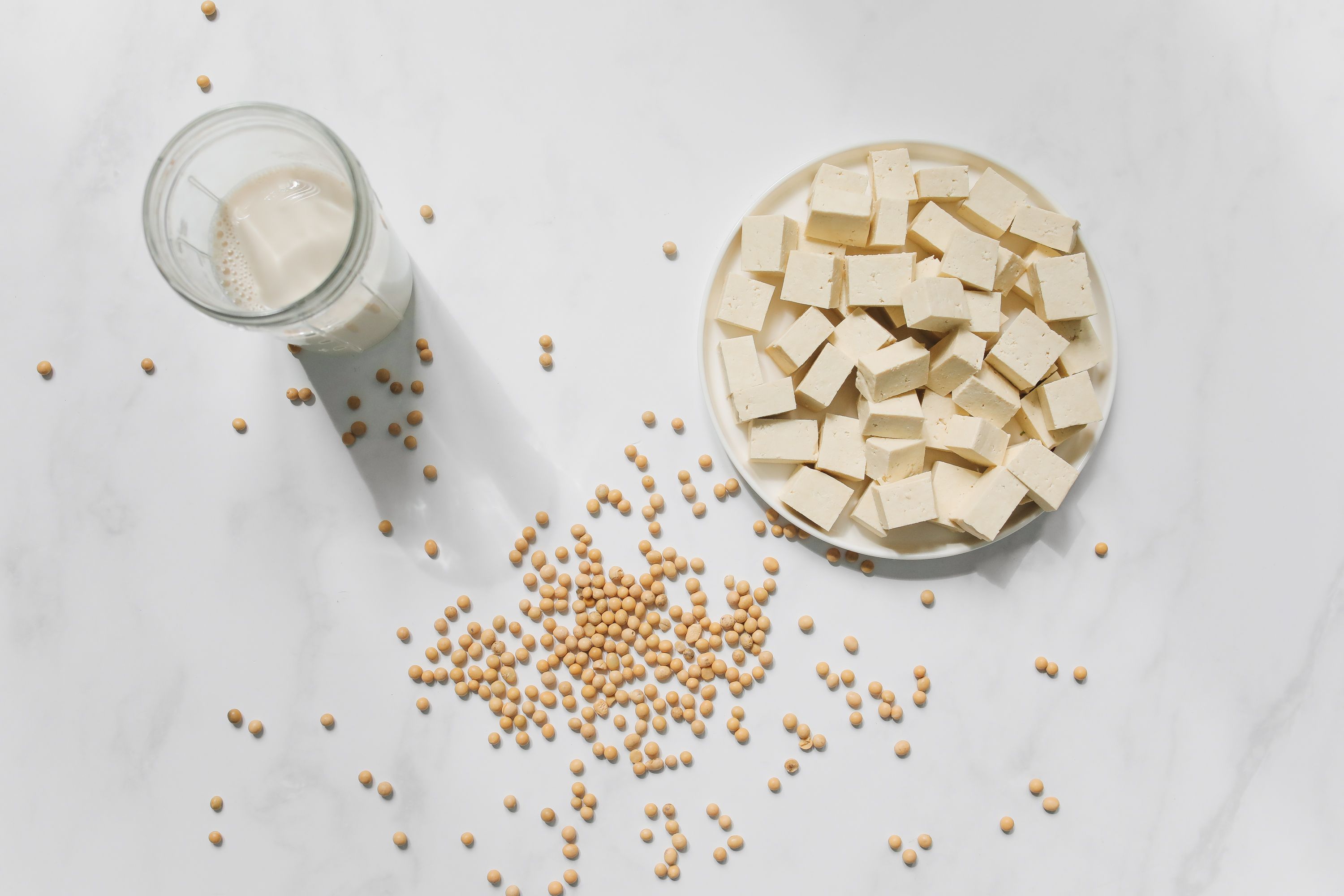
Making Soy Milk
Making soy milk is a simple process that only requires a few ingredients and supplies. To begin, you will need two cups of dried soybeans, a pot, water, and a blender. Start by soaking the soybeans in water for 8-10 hours. This will make them easier to grind and will increase the nutritional value of the milk. After soaking the beans, drain off the excess water and rinse them off with cold water.
Next, add two cups of water for every cup of soaked soybeans to a pot. Slowly bring the mixture to a boil over medium-high heat. Reduce it to low heat, cover it, and let it simmer for 45 minutes or until all of the beans are soft. Make sure to stir occasionally while cooking so that they don’t stick to the bottom of the pot. Once cooked, pour the mixture into a blender and blend until creamy and smooth.
Finally, strain out any remaining solids using cheesecloth or any other fine mesh strainer over a bowl or large pitcher. This step is important in order to remove any chunks or pieces that may have been left behind during blending. You can add more water if necessary in order to adjust consistency and sweetness as desired before serving. Your homemade soy milk is now ready for use!
Flavoring Your Homemade Soy Milk
Making your own soy milk is a great way to enjoy a healthy and delicious drink. However, if you want to take your homemade soy milk to the next level, why not try flavoring it? Flavoring your homemade soy milk can be a fun and easy way to make it taste even better. Here are some tips for flavoring your homemade soy milk:
Sweeteners: One of the easiest ways to flavor your homemade soy milk is to add sweeteners. You can use natural sweeteners such as honey, maple syrup, or agave nectar. You can also use artificial sweeteners like stevia or Splenda. Just be sure to taste your soy milk as you add the sweetener so that you don’t overdo it.
Spices: Adding spices like cinnamon, nutmeg, or cardamom is another great way to flavor your homemade soy milk. Start with a small amount of spice and then add more if needed. You can also experiment with other spices like ginger or turmeric for an interesting flavor.
Vanilla Extract: Adding a teaspoon of vanilla extract will give your homemade soy milk a delicious and subtle vanilla flavor. You can also try adding almond extract for an even more unique flavor.
Cocoa Powder: Cocoa powder is another great way to add flavor to your homemade soy milk. Just be sure not to add too much cocoa powder as it can overpower the flavor of the milk. Start with one tablespoon and then adjust as desired.
By following these tips, you’ll be able to make delicious and flavorful homemade soy milk in no time!
Storing Your Homemade Soy Milk
Storing your homemade soy milk is easy and straightforward. The best way to store it is in an airtight container in the refrigerator. To ensure maximum freshness, use the milk within two days of making it. If you’re planning on storing it longer, it’s best to freeze it in portions. You can freeze soy milk for up to three months.
When re-heating frozen soy milk, make sure to warm it slowly over low heat and stir often. If you’re not planning on using the entire batch, try freezing individual portions in ice cube trays or plastic containers for convenience and easy measurements when cooking or baking with soy milk later on.
It’s important to remember that homemade soy milk doesn’t contain any preservatives, so be sure to use it as soon as possible for optimal flavor and texture. Also, always check the smell and taste before consuming your homemade soy milk – if either are slightly off or sour, then it’s best to discard the batch and make a new one.

Conclusion
Soy milk is an excellent alternative to dairy milk. Its production process is simple and sustainable, and it has a wide range of uses. By comparing and contrasting the differences between soy milk and dairy milk, it is clear that soy milk is a healthier and more environmentally friendly choice. Soy milk can be used in many drinks, recipes, and dishes, making it an excellent vegan option for those looking for a healthier alternative. Soy milk can be enjoyed in many different ways, from hot drinks to desserts. With its versatility, soy milk is sure to remain a popular choice for many years to come.
Overall, soy milk is an excellent choice for those looking for a healthy alternative. Its production process is simple and sustainable, making it the perfect choice for those looking for an eco-friendly option. With its many uses and health benefits, soy milk has become increasingly popular in recent years due to its versatility and convenience. Whether you’re looking for a vegan option or just trying to switch up your diet with something new, try out some soy milk today!
0 Comments