
How to clean and maintain a pour over coffee maker?
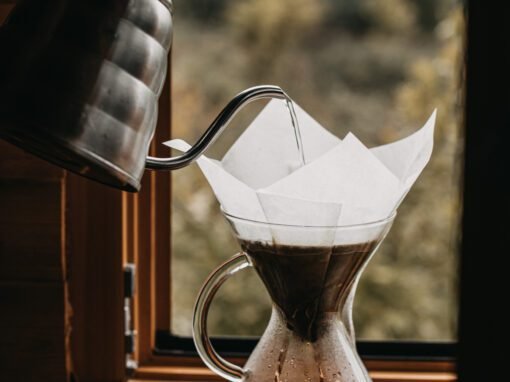
Rinse the dripper with hot water right after brewing, wash it with mild dish soap and a soft sponge each day, and do a deeper clean about weekly by soaking it in equal parts white vinegar and water for 15 to 20 minutes, then rinsing at least three times. Throw paper filters away after one use and dry the parts to avoid water spots.
Free download
Coffee, Tea and Hot Drinks Storage Chart (PDF): How long coffee beans, ground coffee, tea, cocoa and creamers last. 11 rows, each with its source.
Thank you
Your chart is ready
We use your email only for this download.Also free:
Home Bar Storage Chart (PDF)Milk and Dairy Storage Chart (PDF)Juice, Soda and Water Storage Chart (PDF)Drink Strength, Calories and Units Cheat Sheet (PDF)Want the full pack? About 10 printable sheets: a larger chart for each drink type, a “has it gone off?” checklist, date labels, a party planner and an inventory sheet.
In this article
How do you clean a pour over coffee maker?
Most of the work is a quick routine after every brew, plus a deeper clean now and then. This is general guidance from a pour-over maker; follow your own manufacturer’s care sheet if it differs.
- After brewing: toss the grounds and the paper filter, then run hot water through the dripper for 10 to 15 seconds and swirl hot water in the carafe.
- Daily wash: use warm water, a few drops of mild, unscented dish soap and a soft sponge or bottle brush. Pay attention to the spout and the ridges inside the cone. Rinse until no soap is left, because soap residue changes taste more than coffee oils do.
- Weekly deep clean: soak the dripper in a mix of equal parts white vinegar and water for 15 to 20 minutes, scrub gently and rinse at least three times. Smell it; if vinegar lingers, rinse again.
How often should you deep clean it?
| How you brew | Deep clean |
|---|---|
| Every day | About once a week |
| Two or three times a week | About every two weeks |
| Off flavors or a brown film | Right away |
How do you remove stains?
Make a paste of three parts baking soda to one part water, leave it on for 10 to 15 minutes, scrub softly and rinse. For a stained glass carafe, a little ice, a couple of tablespoons of table salt and a splash of water swirled for under a minute works as a gentle scrub.
Does the material matter?
- Glass: avoid metal scrubbers and sudden temperature shocks; let hot glass cool before adding ice or cold water.
- Ceramic: glazed ceramic handles vinegar, but avoid abrasive pads; unglazed ceramic is more porous and needs more frequent cleaning.
- Stainless steel: resists staining; avoid chlorine bleach.
- Reusable filters: rinse metal filters in hot water after each brew; rinse cloth filters well and store them in clean water in the fridge between uses.
What are the signs it needs cleaning?
Sour, bitter or stale-tasting coffee, a brown film, a lingering smell, chalky white mineral spots, or water that drains slowly because the holes are clogged. Chips, cracks or worn glaze mean the piece should be replaced.
Common mistakes
- Reusing paper filters.
- Leaving wet grounds in the dripper overnight.
- Soaking for hours; keep vinegar soaks under about two hours.
- Skipping the final rinses after vinegar.
People also ask
Can I clean a pour over coffee maker with vinegar?
Yes. Soak the dripper in equal parts white vinegar and water for 15 to 20 minutes, scrub gently and rinse at least three times.
How often should I clean my pour over dripper?
Rinse after every brew, wash daily, and deep clean about weekly if you brew daily, or every two weeks if you brew a few times a week.
Why does my pour over coffee taste bitter or sour?
Oil film, mineral buildup or soap residue on the dripper and carafe can cause stale or off flavors. A deep clean and thorough rinsing usually fixes it.
Sources
About · How we verify this · Editorial policy · Corrections
What would help you most next?
One tap. Anonymous. It helps us decide what to build.
Thank you. The free charts above are yours to keep.