Byaslag is an important part of a traditional Tibetan diet. It is made from barley flour and has a unique nutty flavor. Byaslag is eaten as a side dish, as well as used in soups and stews. It provides many nutritional benefits, including being high in protein, fiber and essential vitamins and minerals.
Below are the nutritional values of byaslag per 100g:
Health Benefits of Byaslag
Byaslag is a traditional Central Asian fermented milk product made from cow’s milk, mare’s milk or sheep’s milk. It contains beneficial bacteria and active cultures that can help to improve digestive health and boost immunity. It also has a high content of protein and calcium, making it an important source of nutrients for people who may not be able to get adequate nutrition from other dietary sources. Additionally, byaslag has been shown to have anti-inflammatory properties, which can help reduce the risk of certain diseases such as cancer and heart disease.
Byaslag is also a rich source of probiotics, which are beneficial bacteria that can help promote good digestion, boost the immune system and reduce inflammation. Probiotics can also help to balance out the microflora in your gut, which is essential for optimal health. In addition to improving digestive health and boosting the immune system, probiotics are also believed to have a positive effect on mood, energy levels and mental clarity.
The high content of calcium in byaslag makes it an excellent source of bone-building minerals. Calcium helps keep bones strong and reduces the risk of osteoporosis. Additionally, calcium is essential for proper muscle contraction and nerve function.
Finally, byaslag is low in fat and cholesterol but high in protein. This makes it an ideal food for those who are looking to maintain or lose weight. Additionally, its high protein content helps build and maintain muscle mass, making it an important dietary supplement for bodybuilders or athletes who are looking to increase their muscle strength or size.
Nutritional Profile of Byaslag
Byaslag is a traditional Tibetan food made from tsampa, a flour made from roasted barley. It is a staple food in the Himalayan region and is eaten both as a snack and as a meal. Byaslag is high in protein and carbohydrates, and it also contains some dietary fiber. It has a low glycemic index, meaning that it digests slowly and provides sustained energy over time. The traditional preparation also includes butter and yak cheese, which add additional protein and fat to the meal. Byaslag can be served with vegetables or sautéed greens for additional fiber, vitamins, and minerals.
In terms of nutrients, Byaslag is an excellent source of complex carbohydrates, protein, healthy fats, dietary fiber, vitamins (especially B vitamins), minerals (especially zinc and iron), phytochemicals, antioxidants, and other beneficial plant compounds. It also contains lignans which may have anti-carcinogenic properties. In addition to providing essential nutrients for health benefits such as increased energy levels, improved digestion and elimination of toxins from the body, Byaslag can help to reduce cholesterol levels.
Byaslag can be prepared in many different ways depending on the ingredients used. Traditionally it is cooked with butter or oil over low heat for about half an hour until thickened. It can also be served cold with yogurt or sour cream as a snack or appetizer. Alternatively it can be served as a side dish with vegetables or meat dishes such as kebabs or curries. Either way it provides a nutritious meal that is packed with vitamins, minerals and other beneficial plant compounds that are important for good health.
Health Benefits of Byaslag
Byaslag, also known as Tibetan barley, is a traditional medicinal plant that has been used for centuries in Tibet and the Himalayas. It is a type of wild grass that grows in high altitudes and serves many health benefits. It is most commonly used to treat digestive issues, fatigue, and joint pain, but it can also be used to improve overall health. Here are some of the health benefits of Byaslag:
- Improves Digestion: Byaslag has many digestive properties that can help to improve digestion. It helps to reduce bloating, gas, and constipation. It also helps to regulate bowel movements and increase the production of digestive enzymes.
- Boosts Energy Levels: Byaslag is an excellent source of energy. It contains B-complex vitamins which help to boost energy levels and combat fatigue. It also helps to improve mental clarity and focus.
- Reduces Joint Pain: Byaslag contains anti-inflammatory properties which can help to reduce joint pain caused by arthritis or other medical conditions.
- Helps Lower Blood Pressure: Byaslag is rich in fiber which helps to lower cholesterol levels and reduce blood pressure. Fiber also helps to regulate blood sugar levels which can help prevent diabetes.
- Promotes Immune System Health: Byaslag contains antioxidants which help to boost the immune system and protect against disease. The antioxidants in this plant can help prevent oxidative damage caused by free radicals.
Byaslag has been used for centuries as a natural remedy for many different ailments, but it has recently become more popular due to its wide range of health benefits. Its ability to improve digestion, boost energy levels, reduce joint pain, lower blood pressure, and promote immune system health makes it an excellent addition to any diet or wellness routine.
Nutrient Content in Byaslag
Byaslag is a traditional Tibetan dish made from buckwheat and barley, which is an important source of nutrition for Tibetans. It is a nutritious and wholesome meal that contains essential vitamins, minerals, and other nutrients. The nutrient content of Byaslag varies depending on the ingredients used, but it typically contains high levels of carbohydrates and protein, as well as fiber and vitamins A, B1, B2, B3 and E.
The high carbohydrate content in Byaslag makes it an excellent source of energy for the body. It also provides essential fiber to support digestion, as well as to help regulate blood sugar levels. The protein content in Byaslag helps to build muscle mass and tissue growth, while the vitamins provide important nutrients for healthy vision, skin health, and growth.
Byaslag also contains a variety of minerals such as calcium, magnesium, potassium, zinc and iron. Calcium is important for strong bones and teeth while magnesium helps to regulate nerve signals. Potassium helps to regulate fluid balance in the body while zinc strengthens the immune system. Iron helps to form red blood cells that carry oxygen around the body while providing energy to muscles.
Overall, Byaslag is a healthy meal that provides a variety of essential nutrients for optimal health. It is packed with carbohydrates for energy production as well as protein for muscle growth and development. Additionally it contains vitamins A, B1-B3 & E for better vision & skin health plus minerals like calcium & magnesium which are necessary for strong bones & teeth plus potassium & iron which aid in fluid balance & formation of red blood cells respectively.
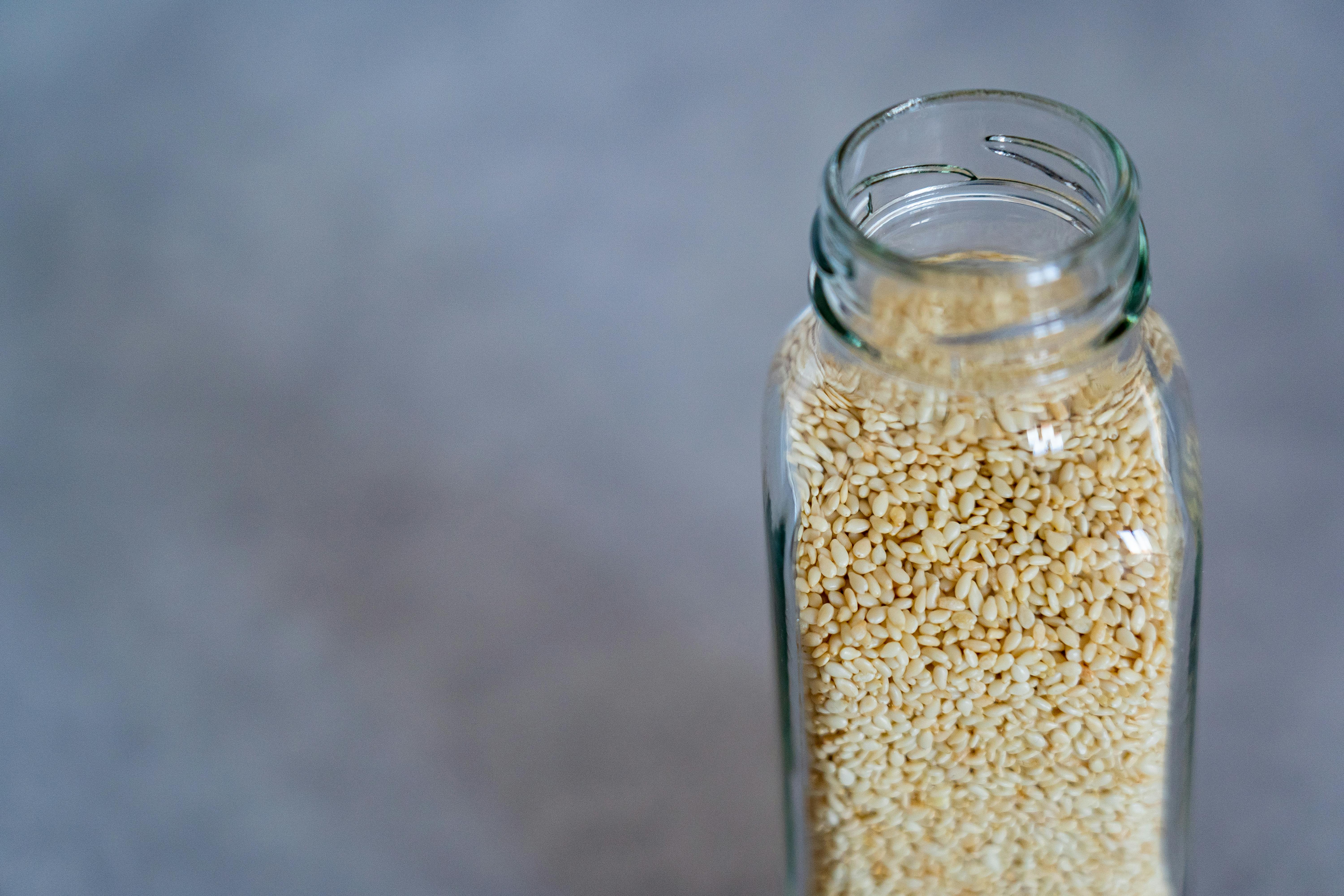
Calories in Byaslag
Byaslag is a traditional Mongolian dish made of boiled wheat, sugar, and butter. It is popular among the people of Mongolia as a breakfast or snack. Byaslag is usually served with milk, but it can also be enjoyed on its own. It is a healthy and nutritious meal that provides much-needed energy to start the day.
The calories in Byaslag depend on the ingredients used to make it. A single serving of Byaslag contains approximately 110 calories. This includes 20 grams of carbohydrates, 5 grams of fat, and 4 grams of protein. The carbohydrates provide energy for the body while the fat and protein provide essential nutrients for growth and development.
Byaslag can also be made with additional ingredients such as raisins, nuts, or dried fruits for added flavor and nutrition. These ingredients can increase the calorie count up to 150 calories per serving. Other variations may include adding yogurt or honey for extra sweetness.
Byaslag is a great way to start the day with a healthy meal that provides energy and nutrition at the same time. It is an excellent choice for those looking to maintain a healthy diet while enjoying traditional Mongolian cuisine.
Carbohydrates in Byaslag
Byaslag is a kind of food traditionally eaten in Mongolia. It is made from wheat flour, butter, sugar and water. Byaslag is high in carbohydrates, with each serving providing around 45-50 grams of carbohydrates. The carbohydrates in byaslag come primarily from the wheat flour and sugar. The butter provides a small amount of fat and protein, but it is mostly carbohydrate-based.
The carbohydrates in byaslag provide energy for the body to use for daily activities. They are also important for maintaining healthy blood sugar levels, as well as helping with digestion and absorption of other nutrients. Carbohydrates help to keep you feeling full longer, which can help prevent overeating.
Byaslag contains some essential vitamins and minerals as well, such as magnesium, potassium, iron, zinc, copper and phosphorus. These minerals are important for a variety of bodily functions including maintaining healthy bones and teeth, regulating blood pressure and metabolism, supporting the immune system and aiding in digestion.
In addition to its nutritional value, byaslag is also low in calories – each serving provides just over 200 calories – making it an ideal choice for those trying to manage their weight or maintain a healthy diet. Byaslag is also easy to make at home or buy commercially prepared versions if desired.
Overall, byaslag is a nutritious food that can be enjoyed as part of a balanced diet for people of all ages and lifestyles.
Fats in Byaslag
Byaslag is a popular dairy product in Mongolia that is made by boiling yak or cow’s milk and churning it until it separates into solid and liquid parts. The solid part is called byaslag and contains the fats, proteins and carbohydrates found in the milk. Byaslag is a rich source of healthy fats, providing both saturated and unsaturated fatty acids. It is especially high in monounsaturated fatty acids, which are linked to a number of health benefits.
Byaslag also contains essential fatty acids such as omega-3 and omega-6, which are important for normal growth and development. These fatty acids cannot be produced by the body so they must be obtained from the diet. The fats found in byaslag are also beneficial for cardiovascular health, as they can help reduce cholesterol levels, lower blood pressure and decrease inflammation.
In addition to providing healthy fats, byaslag also provides a number of other nutrients such as calcium, phosphorus, magnesium and zinc. It is a good source of protein and contains all nine essential amino acids needed for growth and repair of body tissues. Byaslag can be enjoyed on its own or added to dishes to boost their nutritional content.

Conclusion
Byaslag is an incredibly nutritious food that has many benefits for our health. It is an excellent source of essential vitamins, minerals, and protein and is also low in calories and fat. Byaslag can be a great addition to any diet as it provides a wide variety of essential vitamins, minerals, and nutrients that can help us stay healthy. Furthermore, byaslag contains antioxidants that may help reduce inflammation and improve overall health.
In conclusion, byaslag is a nutritious food with many benefits for our health. It is rich in essential vitamins and minerals, as well as protein, fiber, antioxidants and other nutrients. Byaslag is low in calories and fat but packed with essential vitamins, minerals and protein which make it a great addition to any diet. Eating byaslag regularly can provide us with numerous health benefits including improved immunity, reduced inflammation and improved overall health.

0 Comments