
Sana is a traditional ingredient used in many cuisines around the world. It is a type of flour made from wheat and other grains, and has been used for centuries to make breads, pastas, and other dishes. Sana has a unique flavor that adds an interesting twist to traditional recipes. It has a nutty flavor and can be used in both sweet and savory dishes.
In traditional cuisine, sana is often used to make flatbreads, pastries, noodles, dumplings, and other dishes. It can also be ground into a fine powder to use as a thickener for soups or sauces. The texture of sana makes it ideal for making doughs that are light yet still have excellent texture. Additionally, sana is often used in baking cakes and cookies or as a coating for fried foods such as fish or chicken.Sana is an AI-powered virtual assistant for customer service. It is designed to help businesses manage and automate customer support, so they can focus on more important tasks. Sana integrates seamlessly with existing systems such as CRM, Helpdesk, and Chatbot tools, providing a unified view of customer interactions.
Sana helps businesses create a personalized experience for customers by understanding their needs and delivering tailored responses in a timely manner. This allows customers to feel heard and understood when they interact with the business. Additionally, Sana eliminates tedious manual tasks such as sorting through large volumes of customer data or responding to repetitive inquiries.
Overall, Sana provides an efficient way for businesses to provide better customer service by automating mundane tasks and creating an engaging experience for customers. By leveraging the power of AI, businesses can ensure that their customers receive the best possible experience every time they interact with them.
Contents
Sana in Traditional Cuisine
Sana is a popular ingredient in traditional cuisine in many parts of the world. It is a type of grain, usually eaten whole or ground into flour. It is a staple food for many cultures and is often used as a base for dishes such as breads, soups, and porridges. Sana has a mild flavor, which makes it easy to incorporate into recipes. It is also high in fiber and protein, making it an excellent source of nutrition. Additionally, Sana can be cooked in various ways, from steaming to baking to boiling.
Sana can be used to create savory dishes such as stews or curries. It can also be used as an ingredient in desserts such as puddings or cakes. The grain can even be popped like popcorn and added to salads or other dishes for extra crunch. Sana can also be combined with other grains such as rice or millet to make pilafs or porridges that are perfect for breakfast or dinner.
In addition to its versatility in the kitchen, Sana provides many health benefits. It is high in antioxidants which help protect against disease and can even help lower cholesterol levels. Sana is also rich in essential minerals like iron and zinc which help support healthy bones and teeth. Finally, it contains phytonutrients which aid digestion and promote good gut health.
Overall, Sana is a nutritional powerhouse that has been enjoyed around the world for centuries due to its flavor, texture, and versatility in the kitchen. Whether you are looking for an ingredient to add depth of flavor to savory dishes or sweetness to desserts, Sana is sure to deliver delicious results!
Origin of Sana
The name Sana is derived from the Arabic language, where it means “radiance” and “brilliance.” It is also a Japanese name, which means “beauty and splendor”. Many parents choose the name for their child as it reflects the beauty, grace, and confidence of the person. The name is also used in India and Pakistan as a unisex name.
Sana is also seen in many cultures as a symbol of longevity and wisdom. In some cultures, it is believed that having a child named Sana will bring prosperity to their family. Additionally, the name can be found in many religions and is often given to children born during certain festivals or celebrations.
The origin of the name Sana can be traced back to ancient times when it was used by rulers and queens throughout history to honor their most loyal followers. In modern times, it has become popular among many different cultures as a beautiful and meaningful name for both boys and girls.
Health Benefits of Sana
Sana is a plant-based nutrient-rich food that has been used as a traditional medicine for centuries. It is rich in vitamins, minerals, antioxidants, and other phytonutrients that have been shown to have numerous health benefits. From improved heart health to better digestion, here are some of the potential health benefits of consuming Sana regularly.
Heart Health: Sana contains flavonoids which have been linked to improved cardiovascular health. Studies have shown that it may help reduce the risk of heart disease and lower cholesterol levels. Additionally, it may help reduce inflammation and improve overall blood flow.
Digestive Health: Sana is high in fiber, which helps promote healthy digestion. Fiber helps to slow down the absorption of sugar into the bloodstream, which can help regulate blood sugar levels and prevent spikes in insulin. Fiber also helps keep you fuller longer so you don’t overeat throughout the day.
Immunity Boost: Sana is rich in antioxidants which can help protect your body from harmful free radicals and boost your immune system. Antioxidants also help reduce inflammation in the body which can lead to a number of chronic diseases such as diabetes and cancer.
Skin Health: Sana has high amounts of Vitamin C which can help improve skin tone and texture. Vitamin C also helps reduce wrinkles and age spots as well as promote collagen production for a more youthful appearance.
Overall, Sana has many potential health benefits that make it worth adding to your diet on a regular basis. It’s a nutrient-rich food that is low in calories and fat making it an ideal choice for those looking to maintain or improve their overall health.
Types of Sana Used in Traditional Cuisine
Sana is a type of fermented food widely consumed in traditional cuisine. It is made by fermenting various ingredients such as fruits, vegetables, and grains. The resulting product has a sour taste and can be used in many different dishes. There are many different types of sana that vary in flavor, texture, and composition depending on the ingredients used.
The most common type of sana is kimchi, which is made from cabbage and other vegetables. It is usually eaten as a side dish or added to soups and stews. Kimchi can also be used to make kimchi pancakes or kimchi fried rice. Another popular type of sana is pickles, which are made from cucumbers and other vegetables that are fermented with salt and spices. Pickles can be eaten plain or added to salads and sandwiches for extra flavor.
Tempeh is another type of sana that is made from soybeans that are fermented with a fungus called Rhizopus Oligosporus. Tempeh has a nutty flavor and can be used as an alternative to traditional meat-based dishes such as burgers or tacos. Natto is another popular type of sana that is made from soybeans that have been fermented with Bacillus subtilis bacteria. Natto has a slimy texture and strong flavor that some people find unpleasant but others enjoy it when added to dishes such as omelets or stir-fries.
Finally, miso paste is another type of sana that can be used in traditional cuisine. It’s made from soybeans, grains, and salt that have been fermented together for several months before being ground into a paste-like consistency. Miso paste adds umami flavor to soups, sauces, marinades, salad dressings, and more.
Overall, there are many different types of sana that can be used in traditional cuisine to add flavor and texture to dishes. Whether you’re looking for something spicy like kimchi or something mild like miso paste, there’s sure to be the perfect type of sana for your dish!
Introduction to Sana Dishes
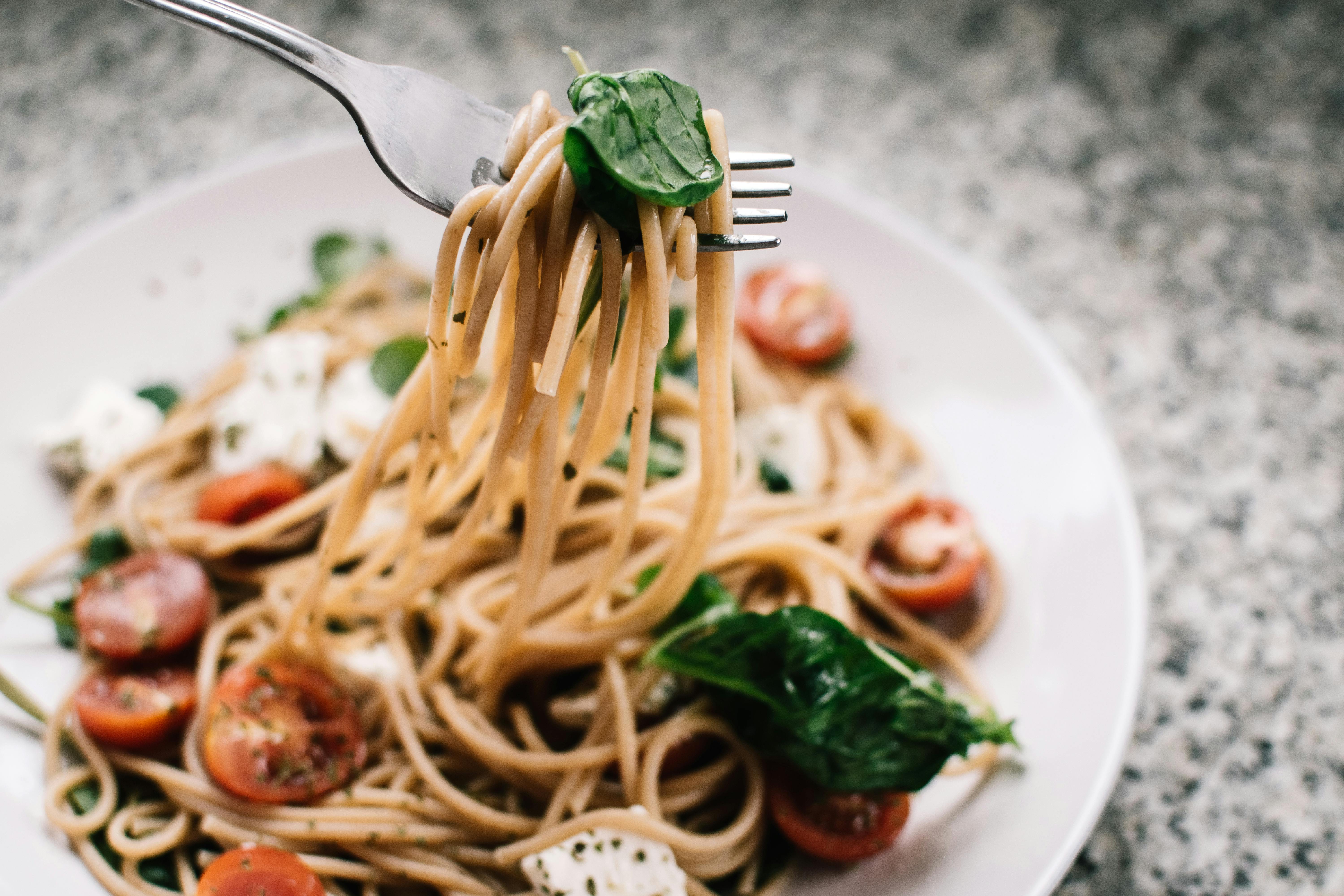
Sana dishes are traditional delicacies from the Middle East. They have been part of the region’s cuisine for centuries and remain popular today. Sana dishes often feature a blend of fresh vegetables, dried fruits, nuts, and spices. The combination of flavors creates a unique blend that is both delicious and healthy. Common ingredients in Sana dishes include eggplant, chickpeas, olives, tomatoes, onions, garlic, coriander, cumin, cinnamon, saffron, and cardamom. These dishes can be prepared in a variety of ways including baking, roasting, boiling, steaming or frying.
Preparation Methods for Sana Dishes
When preparing Sana dishes there are several methods to consider. The most common method is roasting or baking. This method is often used when making kebabs or stews as it helps the ingredients retain their moisture while also giving them a rich flavor. When roasting vegetables it’s important to add a little oil to help keep them from sticking to the pan and burning during cooking. Boiling is also an option when preparing Sana dishes as it allows all the flavors to combine and infuse into the food items being cooked. Steaming is also an excellent way to retain the flavor and texture of vegetables as it helps them retain their nutrients better than most other methods. Finally frying is another great way to prepare Sana dishes as it adds a nice crunchy texture to many ingredients.
No matter what method you choose when preparing Sana dishes be sure to use quality ingredients as they will make all the difference in how your dish turns out! Additionally pay attention to how long each ingredient needs to cook so that it doesn’t become over- or under-cooked resulting in a less than desirable meal!
Commonly Used Ingredients with Sana in Traditional Cuisine
Sana is a staple ingredient in traditional cuisine, used in a variety of dishes. It is an aromatic, flavorful, and healthy alternative to other oils and fats. Its unique flavor adds depth and complexity to dishes, making them more enjoyable. From curries to stir-fries, sana can be used to enhance the flavor of any dish.
Sana is most often used as a cooking oil or as a condiment. When used as a cooking oil, it adds a subtle nutty flavor to dishes and helps to reduce the amount of fat needed for cooking. It also has a high smoke point, meaning it can be heated to higher temperatures without burning or breaking down. When used as a condiment, sana adds an interesting twist to foods like salads or noodles.
Sana is also commonly used in marinades and sauces. Its nutty flavor pairs well with many herbs and spices like cilantro, ginger, garlic, turmeric, and chili peppers. Its high smoke point makes it an ideal choice for grilling or sautéing meats or vegetables. In addition to adding depth of flavor to marinades and sauces, sana also helps keep the ingredients from sticking together during the cooking process.
Sana can also be used for baking and desserts. Its rich flavor enhances the sweetness of baked goods like cakes and cookies while still keeping them light and fluffy. It can also be used for savory dishes like pies or pastries filled with vegetables or meat fillings.
Overall, sana is an incredibly versatile ingredient that can be used in many different types of dishes ranging from curries to cakes. It adds flavor without overpowering the other ingredients in the dish while still providing essential nutrients such as monounsaturated fatty acids and antioxidants. Whether you’re looking for something new to try or just trying to make your favorite dish even better- consider giving sana a try!
Flavor Profile and Texture of Sana Dishes
The dishes at Sana offer a unique flavor profile and textural experience. The flavors are bold, yet subtle enough to allow the ingredients to shine. From the zesty za’atar-spiced hummus, to the nutty and fragrant tahini, each dish packs its own flavor punch that will leave you wanting more.
The texture of each dish is also noteworthy. The hummus is creamy and smooth, while the tahini has a rich and nutty texture. The falafel is firm yet crunchy, with a fluffy interior that makes it a crowd favorite. The pita bread is chewy, with a crispy outer crust that adds an element of texture to every bite.
Overall, the dishes at Sana provide an unforgettable flavor and textural experience that you won’t soon forget! Whether you’re looking for something light or indulgent, there’s something for everyone on the menu. So come give it a try – you won’t be disappointed!

Conclusion
Sana has been used for centuries in traditional cuisines across the Middle East and North Africa. Its distinct flavor is a beloved and well-known taste that is enjoyed by many cultures around the world. Sana is an incredibly versatile ingredient, and can be used in a variety of dishes, including salads, stews, desserts, and more. It is an incredibly healthy food that can provide essential minerals and vitamins to the body.
Sana is a unique ingredient that has been used for centuries to create flavorful dishes. It is a staple in many traditional cuisines, and its unique flavor can easily add depth to any dish. Sana is also incredibly healthy, containing essential vitamins and minerals that can be beneficial for overall health.
In conclusion, Sana has been used for centuries in traditional cuisines across the Middle East and North Africa. It adds delicious flavor to any dish, and its health benefits make it an ideal choice for those looking to improve their overall health.
0 Comments