
Helles Lager beer: Traditional vs. modern brewing techniques
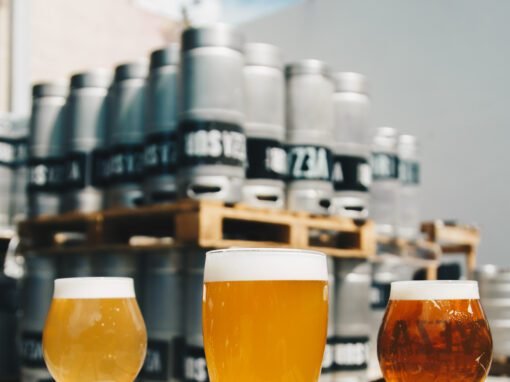
Helles is a pale, malt-forward German lager of about 5% ABV. Traditionally it was brewed with a decoction mash and lagered for months; many German brewers now use a step mash and shorter lagering. A helles is a type of lager, softer and maltier than a pilsner, with restrained noble-hop bitterness.
Free download
Home Bar Storage Chart (PDF): How long liqueurs, spirits, wine and mixers last, opened and unopened. 25 rows, each with its source.
Thank you
Your chart is ready
We use your email only for this download.Also free:
Milk and Dairy Storage Chart (PDF)Juice, Soda and Water Storage Chart (PDF)Coffee, Tea and Hot Drinks Storage Chart (PDF)Drink Strength, Calories and Units Cheat Sheet (PDF)Want the full pack? About 10 printable sheets: a larger chart for each drink type, a “has it gone off?” checklist, date labels, a party planner and an inventory sheet.
In this article
Helles vs lager: what is the difference?
Helles is a lager, not an alternative to lager. Lager means a beer fermented cold with lager yeast; helles (German for pale) is one Munich style of pale lager. According to Brew Your Own it is a golden lager of about 5% ABV, clear, with a large white head, a medium body and a dry but soft finish. Malt leads, and hop character is low to medium-low. A pilsner, by contrast, puts hops at the center.
Traditional brewing
The traditional method for helles is decoction mashing, where part of the mash is boiled and returned to raise the temperature. It builds deeper color and flavor. Historically the beer was lagered for up to about three months.
Modern brewing
Most German brewers now use a step mash to save time and energy. One brewing article suggests a step mash with small amounts of character malt instead of full decoction, or a single infusion at about 149 F (65 C) as an alternative. The same source suggests lagering for about two months at 32 F (0 C), shortened by a couple of weeks or extended to three months.
| Traditional | Modern | |
|---|---|---|
| Mash | Decoction | Step mash or single infusion |
| Malt tweaks | Not needed | Small amounts of dextrinous or character malt for body |
| Lagering | Often up to about 3 months | About 2 months, sometimes shorter |
Ingredients
- Malt: German pilsner malt as most or all of the grist; small additions of Munich or aromatic malt for maltiness.
- Hops: traditional German noble hops such as Hallertauer or Tettnanger; bitterness noticeable but restrained.
- Yeast: a clean German lager yeast with low ester and sulfur production.
- Fermentation: chill the wort to about 50 F (10 C), pitch, and ferment until complete.
How to enjoy it
Serve cool, not ice cold, in a tall glass. It pairs with pretzels, sausages, roast chicken and mild cheeses.
These are general guidance figures from a homebrew source; breweries vary.
People also ask
Is helles the same as pilsner?
No. Both are pale lagers, but helles is maltier and softer with lower bitterness, while pilsner is more hop-forward.
How strong is helles?
About 5% ABV, a standard-strength lager.
What is decoction mashing?
A traditional method in which part of the mash is boiled and returned to raise the temperature, building color and flavor.
Sources
About · How we verify this · Editorial policy · Corrections
What would help you most next?
One tap. Anonymous. It helps us decide what to build.
Thank you. The free charts above are yours to keep.