
How can I use leftover cheese?
Use leftover cheese in cooking: grate it into quiche, biscuits or pasta, blend scraps into a spread such as fromage fort or pub cheese, or simmer hard-cheese rinds in soup. Wrap it in waxed paper or foil, and freeze firm cheese only for cooking, since it turns crumbly.
Free download
Milk and Dairy Storage Chart (PDF): How long milk, plant milks, cream, yogurt and kefir last, opened and unopened. 23 rows, each with its source.
Thank you
Your chart is ready
We use your email only for this download.Also free:
Home Bar Storage Chart (PDF)Juice, Soda and Water Storage Chart (PDF)Coffee, Tea and Hot Drinks Storage Chart (PDF)Drink Strength, Calories and Units Cheat Sheet (PDF)Want the full pack? About 10 printable sheets: a larger chart for each drink type, a “has it gone off?” checklist, date labels, a party planner and an inventory sheet.
In this article
What can I do with leftover cheese?
Cooking is the best use for odds and ends, especially ends that have dried out. These ideas come from a food-waste guide.
- Soup or stock: simmer hard-cheese rinds such as Parmigiano-Reggiano in soup or water for savory depth. The stock can be frozen.
- Fromage fort: blend cheese scraps, even dry ones, with butter or cream, wine or sherry and seasoning into a spread for toast.
- Pub or pimento cheese: bind shredded cheddar with something creamy and season it.
- Quiche: add cheese to the filling, such as Swiss with ham or cheddar with broccoli.
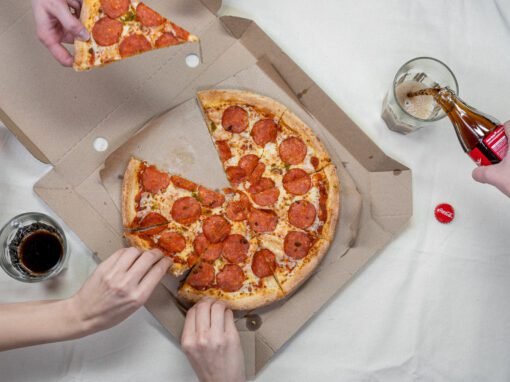
- White pizza: skip the red sauce and mix a mild cheese with a strong one.
- Cheese biscuits: mix grated cheese into the dough.
- Glamorgan sausages: a Welsh dish that combines cheese and stale bread.
How to store cheese so it lasts
- Rewrap in waxed paper, foil or cheese paper so it can breathe, instead of tight plastic.
- Keep it in a covered box in the fridge to hold humidity and contain aromas.
- Eat soft cheeses sooner; hard cheeses last longest.
Can you freeze leftover cheese?
Yes for cooking, no for the cheeseboard. FoodPrint advises freezing firm cheeses and rinds you will cook with, for up to about six months, and not freezing cheese for the board because freezing turns it crumbly.
When to throw it away
For moldy cheese, follow your national food-safety guidance on what to discard and how much to cut away, and when in doubt, throw it out. Do not eat cheese that smells off or feels slimy.
People also ask
Can I freeze leftover cheese?
Firm cheeses and rinds can be frozen for cooking, up to about six months per FoodPrint, but texture turns crumbly so avoid freezing cheese for a board.
What can I do with a Parmesan rind?
Simmer it in soup or water to add savory depth, then freeze the stock if you like.
Is moldy cheese safe to eat?
Follow your national food-safety guidance on moldy cheese, and discard it if unsure.
Sources
About · How we verify this · Editorial policy · Corrections
What would help you most next?
One tap. Anonymous. It helps us decide what to build.
Thank you. The free charts above are yours to keep.