What are the different styles of Lambic beer?
The main lambic styles are straight lambic (unblended, flat, tart), gueuze (a bottled, bubbly blend of young and old lambic) and fruit lambic such as kriek (cherry) and framboise (raspberry). All are tart Belgian beers from spontaneous fermentation in the Brussels area, with little or no hop bitterness.
Free download
Home Bar Storage Chart (PDF): How long liqueurs, spirits, wine and mixers last, opened and unopened. 25 rows, each with its source.
Thank you
Your chart is ready
We use your email only for this download.Also free:
Milk and Dairy Storage Chart (PDF)Juice, Soda and Water Storage Chart (PDF)Coffee, Tea and Hot Drinks Storage Chart (PDF)Drink Strength, Calories and Units Cheat Sheet (PDF)Want the full pack? About 10 printable sheets: a larger chart for each drink type, a “has it gone off?” checklist, date labels, a party planner and an inventory sheet.
In this article
What is lambic?
The BJCP describes lambic as a wild ale, spontaneously fermented in and around Brussels’ Senne Valley. Sourness, not hops, balances it. The ABV is 5 to 6.5%, and the finish is typically dry.
The main styles
| Style | What it is |
|---|---|
| Lambic (straight) | Unblended, traditionally served nearly uncarbonated from pitchers; sourness is simple and sharp when young, softening with age. |
| Gueuze | A blend of one-, two- and three-year-old lambic, bottled and highly carbonated; 5 to 8% ABV, citrus, honey and barnyard notes, balanced by sourness. |
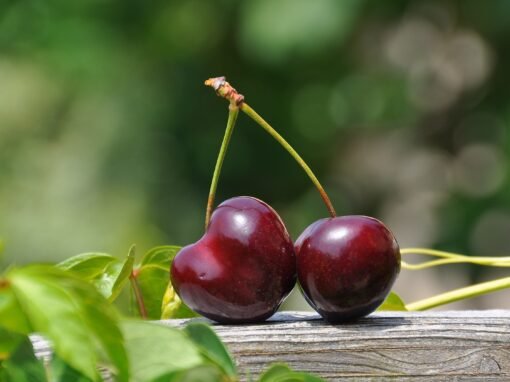
| Fruit lambic | Lambic aged on fruit; 5 to 7% ABV. Kriek uses tart cherries (traditionally with pits), framboise uses raspberries. |
How does gueuze differ from lambic?
Per the BJCP, lambic has a simpler sourness and less complexity than gueuze. Gueuze blends lambics of different ages and is bottled, giving it high carbonation.
How does fruit change the beer?
The BJCP says the finish is commonly dry and tart, and higher sweetness is not traditional. Young fruit lambic tastes mostly of fresh fruit; with age the lambic character takes over, so they are not meant for long aging. Traditional kriek uses around 25 percent cherry, within a 10 to 30 percent range.
What to look for on the label
- The word lambic, gueuze, kriek or framboise.
- Higher sweetness is not traditional in fruit lambic, so check the label for the sweetness level.
This is general guidance, not a ranking of brewers.
People also ask
What is the difference between lambic and gueuze?
Lambic is a single, unblended beer, traditionally served flat. Gueuze blends young and old lambics, is bottled and is highly carbonated.
Is kriek a lambic?
Traditional kriek is a fruit lambic made with tart cherries. Some sweeter cherry beers are made differently, so read the label.
Is lambic sour?
Yes. Sourness replaces hop bitterness in lambic.
Sources
About · How we verify this · Editorial policy · Corrections
What would help you most next?
One tap. Anonymous. It helps us decide what to build.
Thank you. The free charts above are yours to keep.