
What is mishti doi and how is it made?
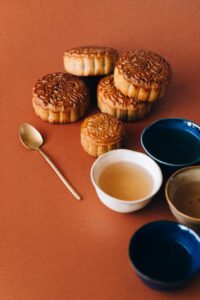
Mishti doi is a Bengali sweet yogurt. "Mishti" means sweet and "doi" means curd. Milk is thickened, sweetened with jaggery or caramelized sugar, set with a spoon of curd, and traditionally left to set in an unglazed clay pot.
Free download
Milk and Dairy Storage Chart (PDF): How long milk, plant milks, cream, yogurt and kefir last, opened and unopened. 23 rows, each with its source.
Thank you
Your chart is ready
We use your email only for this download.Also free:
Home Bar Storage Chart (PDF)Juice, Soda and Water Storage Chart (PDF)Coffee, Tea and Hot Drinks Storage Chart (PDF)Drink Strength, Calories and Units Cheat Sheet (PDF)Want the full pack? About 10 printable sheets: a larger chart for each drink type, a “has it gone off?” checklist, date labels, a party planner and an inventory sheet.
In this article
What does mishti doi mean?
In Bengali, mishti means sweet and doi means curd or yogurt, so mishti doi is “sweet curd”. It is a thick, sweetened yogurt eaten as a dessert or snack, associated with Bengal in India and also found in Bangladesh. It is also called lal doi (“red curd”) because of its reddish-brown color.
What is it made of?
- Milk, reduced by boiling until thicker.
- A sweetener: jaggery traditionally, or lightly caramelized white sugar in many home recipes.
- A spoonful of plain curd or yogurt with live cultures to start fermentation.
The reddish color comes from caramelized sugar and the long-cooked milk. Some makers produce a pure white version.
How is mishti doi made?
- Reduce the milk. Simmer it, stirring, until it has thickened and reduced (home recipes vary).
- Sweeten. Stir in jaggery or caramelized sugar. If you caramelize sugar, stop at a light golden-yellow; burnt sugar turns bitter.
- Cool. Let the milk cool until it is warm to the touch, not hot, or it will kill the culture.
- Add the starter. Whisk in a spoonful of curd.
- Set. Pour into a clay pot or heatproof dish, cover and leave in a warm place for several hours or overnight until firm.
- Chill. Refrigerate before serving.
Why clay?
Mishti doi is traditionally sold and set in unglazed clay pots. The porous clay absorbs extra water as it sets, which helps make it thick. If you do not have a clay pot, a regular dish works, though the texture may be a little softer.
How is it served?
Cold, with a spoon, sometimes topped with chopped toasted nuts. Because it is sweetened, treat it as a dessert, and check labels on packaged versions for sugar.
People also ask
What does mishti doi mean?
Sweet curd: mishti is sweet and doi is curd or yogurt in Bengali.
Why is mishti doi brown?
The color comes from caramelized sugar or jaggery and from milk that has been cooked down.
Do I need a clay pot?
Traditionally yes, because clay absorbs extra water as it sets. A regular dish works with a slightly softer result.
Sources
About · How we verify this · Editorial policy · Corrections
What would help you most next?
One tap. Anonymous. It helps us decide what to build.
Thank you. The free charts above are yours to keep.