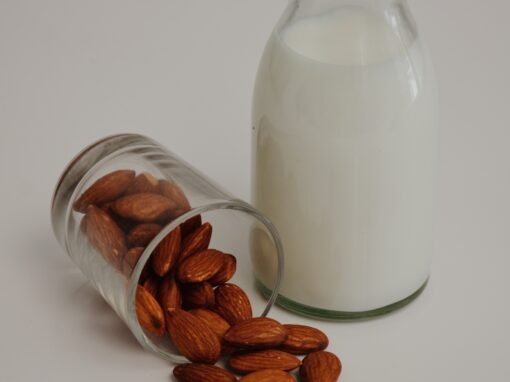

How does piimä benefit gut health?
There is no solid evidence that piimä itself improves gut health. It is a fermented milk made with lactic acid bacteria, and some fermented foods contain live microbes, but health agencies say benefits depend on the specific strain and condition. Enjoy it as a dairy food and do not expect a medical effect.
Free download
Milk and Dairy Storage Chart (PDF): How long milk, plant milks, cream, yogurt and kefir last, opened and unopened. 23 rows, each with its source.
Thank you
Your chart is ready
We use your email only for this download.Also free:
Home Bar Storage Chart (PDF)Juice, Soda and Water Storage Chart (PDF)Coffee, Tea and Hot Drinks Storage Chart (PDF)Drink Strength, Calories and Units Cheat Sheet (PDF)Want the full pack? About 10 printable sheets: a larger chart for each drink type, a “has it gone off?” checklist, date labels, a party planner and an inventory sheet.
In this article
Does piimä benefit gut health?
Honest answer: it might for some people, but nobody can promise it. Piimä is a Finnish soured milk, made with lactic acid bacteria. I found no trial that tested piimä on gut health, so any specific claim for it is unsupported.
What do health agencies say about probiotics?
The US National Center for Complementary and Integrative Health says probiotics can be found in yogurt and other fermented foods. Its review of the evidence says for most conditions it is still unknown which probiotics help, how much to take, or who would benefit most. Some reviews report possible benefits, for example a lower risk of antibiotic-associated diarrhea, but the agency calls that finding tentative, and the evidence on constipation is mixed. These results concern studied probiotic strains, not fermented foods in general.
What does piimä realistically offer?
- Dairy nutrition: protein and calcium from milk, with amounts that depend on the product and fat level.
- Lactic acid bacteria: used to make it, though whether live cultures remain depends on the product.
- Lower lactose in some cases: fermentation converts part of the lactose to lactic acid, but it does not remove it. Lactose-free versions exist.
How to try it sensibly
- Start with a small glass, especially if you are not used to sour dairy.
- Pick plain, not sweetened.
- Look for the words live cultures on the label if that matters to you.
- Notice how you feel; stop if it upsets you.
Who should be careful?
NCCIH notes the risk from probiotics is higher for people with serious illness or weakened immune systems, and advises talking with a health care provider before taking a probiotic supplement. It also warns that premature infants given probiotics can develop serious infections. Anyone with a milk allergy should avoid piimä. If you have ongoing digestive symptoms, see a clinician instead of relying on a food.
This is general information, not medical advice.
People also ask
Is piimä a probiotic?
It is made with bacterial cultures, but being fermented does not automatically make a food probiotic. The label should say whether live cultures are present.
Can piimä cure digestive problems?
No. It is a food, not a treatment. See a clinician for ongoing symptoms.
Is piimä good for lactose intolerance?
Fermentation reduces some lactose but not all. Lactose-free piimä exists; try a small amount.
Sources
About · How we verify this · Editorial policy · Corrections
What would help you most next?
One tap. Anonymous. It helps us decide what to build.
Thank you. The free charts above are yours to keep.