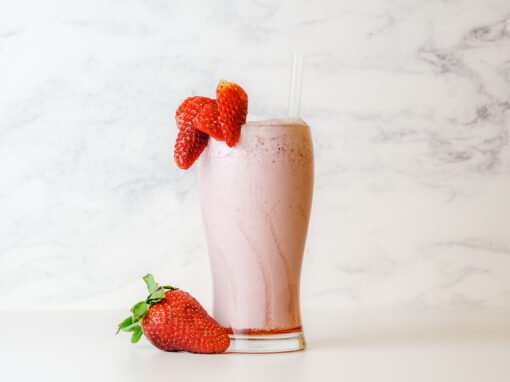

What are some low-carb nutrient-dense smoothie recipes?
A low-carb smoothie swaps most fruit for vegetables, avocado, nuts or seeds, unsweetened milk and protein. Keep fruit to a small handful of berries, skip banana, juice and honey, and read labels on milks and yogurt, which can hide sugar. Carbs vary with ingredients, so check the numbers for your own mix.
Free download
Juice, Soda and Water Storage Chart (PDF): How long juice, soda, coconut water and bottled water last, opened and unopened. 19 rows, each with its source.
Thank you
Your chart is ready
We use your email only for this download.Also free:
Home Bar Storage Chart (PDF)Milk and Dairy Storage Chart (PDF)Coffee, Tea and Hot Drinks Storage Chart (PDF)Drink Strength, Calories and Units Cheat Sheet (PDF)Want the full pack? About 10 printable sheets: a larger chart for each drink type, a “has it gone off?” checklist, date labels, a party planner and an inventory sheet.
In this article
How do you make a low-carb smoothie?
Most carbohydrates in a smoothie come from fruit, juice, sweetened milk and sweeteners. Lower them by using vegetables and healthy fats as the base, a small portion of berries for flavor, and unsweetened liquids. There is no official definition of low-carb for a smoothie, so decide your own target, ideally with a dietitian if you have diabetes or another condition.
Ingredients that keep carbs down
- Liquid: water, unsweetened almond, soy or coconut milk.
- Vegetables: spinach, kale, cucumber, cauliflower rice (frozen).
- Fats: avocado, nut butter, chia or flaxseed.
- Protein: plain Greek-style yogurt, silken tofu or an unsweetened protein powder.
- Fruit (small): a few berries.
Three low-carb smoothie recipes
- Green avocado: spinach, half an avocado, unsweetened almond milk, lime, ice.
- Berry almond: a small handful of berries, almond butter, plain yogurt, chia, water.
- Chocolate avocado: avocado, unsweetened cocoa, unsweetened milk, vanilla, ice.
Amounts are flexible and carbohydrate totals depend on your exact mix.
What to check on labels
- Sweetened or flavored milks and yogurts add sugar; choose unsweetened and plain.
- Protein powders can contain sweeteners and fillers.
- Tufts University advises skipping added sweeteners and using whole fruit and vegetables instead of juice.
Making it nutrient-dense
Use a variety of vegetables, include protein and fat so it keeps you full, and keep portions to about 12 to 16 ounces. Calories still count, since nuts and avocado are energy-dense. This is general guidance, not medical advice.
Common mistakes
- Adding banana, mango or juice, which raises carbs quickly.
- Trusting the word ‘natural’ on a label; read the sugar line.
- Forgetting that nut butter and avocado add calories.
People also ask
Which fruits are best for a low-carb smoothie?
Small portions of berries are common; banana, mango and juice add more sugar. All fruit contains carbohydrate.
How can I thicken a low-carb smoothie?
Use avocado, chia seeds, ice, frozen cauliflower or plain yogurt rather than banana.
Is unsweetened almond milk low-carb?
Unsweetened versions are generally low in sugar, but check the label because brands differ.
Sources
About · How we verify this · Editorial policy · Corrections
What would help you most next?
One tap. Anonymous. It helps us decide what to build.
Thank you. The free charts above are yours to keep.