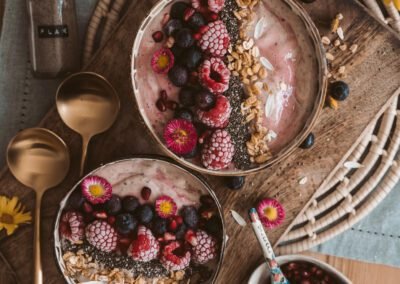

What are the differences between fruit smoothies and juices?
A smoothie is made by blending whole fruit or vegetables, so it keeps the fiber and is thicker; juice is the liquid pressed out, with most of the fiber removed. Both are sugary. The NHS counts juice and smoothies as at most one portion of 5 A DAY and limits them to 150 ml a day combined, best taken with meals.
Free download
Juice, Soda and Water Storage Chart (PDF): How long juice, soda, coconut water and bottled water last, opened and unopened. 19 rows, each with its source.
Thank you
Your chart is ready
We use your email only for this download.Also free:
Home Bar Storage Chart (PDF)Milk and Dairy Storage Chart (PDF)Coffee, Tea and Hot Drinks Storage Chart (PDF)Drink Strength, Calories and Units Cheat Sheet (PDF)Want the full pack? About 10 printable sheets: a larger chart for each drink type, a “has it gone off?” checklist, date labels, a party planner and an inventory sheet.
In this article
What is the difference between a smoothie and juice?
| Smoothie | Juice | |
|---|---|---|
| How it is made | Whole fruit or vegetables blended | Liquid extracted; pulp and fiber removed |
| Fiber | Mostly kept | Mostly removed |
| Texture | Thick, filling | Thin, drinkable |
| Extras | Often milk, yogurt, nuts, seeds | Usually just fruit or vegetable |
Vitamix describes juicing as extracting the liquid and leaving fiber behind, while smoothies keep the fiber because they are made from whole produce. Juice can also be made in a blender and strained through cheesecloth.
Which is healthier?
Neither is a clear winner. Smoothies keep more fiber and tend to be more filling. But the NHS says crushing fruit releases sugars that can damage teeth, and even unsweetened versions are sugary. Science Focus adds that juice releases free sugars and loses most fiber, so it falls short of whole fruit.
How much should you have?
The NHS counts juice and smoothies as one portion at most, with a combined limit of 150 ml a day, best drunk at mealtimes. Whole fresh, frozen or canned fruit counts at 80 g per portion, and you can eat as much of it as you like within your 5 A DAY.
How do you choose a store-bought smoothie or juice?
- Read the ingredients: 100 percent fruit, no added sugar.
- Watch for large bottles: a bottle is often several servings.
- Check the calories and sugar per serving, since smoothies with milk, nut butter or sweeteners can be high in calories; figures vary by brand.
Which suits what?
- Smoothie: a quick breakfast or snack when you want something filling.
- Juice: a small glass with a meal, or watered down.
- Whole fruit: the best choice most of the time.
Homemade tip
Add vegetables such as spinach or cucumber to a smoothie and use less fruit to lower the sugar.
People also ask
Is a smoothie healthier than juice?
A smoothie keeps more fiber, but both are sugary and the NHS limits them to one portion and 150 ml a day combined.
Does blending destroy fiber?
No. Blending keeps the fiber; juicing removes it.
Can a smoothie replace a meal?
It can if it includes protein and fiber, but it is easy to drink more than you need.
Sources
About · How we verify this · Editorial policy · Corrections
What would help you most next?
One tap. Anonymous. It helps us decide what to build.
Thank you. The free charts above are yours to keep.