
What are the most popular brands of carbonated fruit drinks?
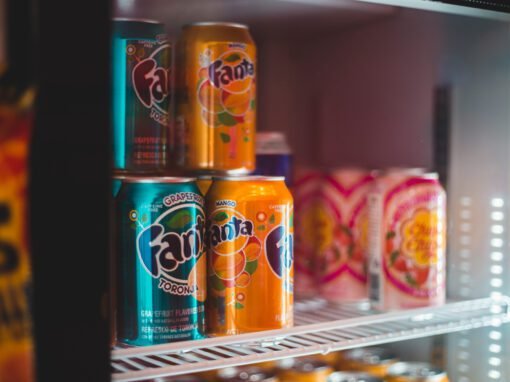
Widely sold fruit-flavored sodas in the US include Fanta (orange and other fruits), Sprite (lemon-lime), Sunkist and Crush (orange), Fresca (grapefruit-style citrus), Mountain Dew (citrus) and Ting (grapefruit). We did not rank them, because we found no official sales data. Most are flavored soft drinks with little or no juice, so check the label.
Free download
Juice, Soda and Water Storage Chart (PDF): How long juice, soda, coconut water and bottled water last, opened and unopened. 19 rows, each with its source.
Thank you
Your chart is ready
We use your email only for this download.Also free:
Home Bar Storage Chart (PDF)Milk and Dairy Storage Chart (PDF)Coffee, Tea and Hot Drinks Storage Chart (PDF)Drink Strength, Calories and Units Cheat Sheet (PDF)Want the full pack? About 10 printable sheets: a larger chart for each drink type, a “has it gone off?” checklist, date labels, a party planner and an inventory sheet.
In this article
Which carbonated fruit drinks are widely sold?
These are widely available brands, listed in no order of quality or sales:
- Fanta: Coca-Cola’s fruit-flavored line, best known for orange; flavors differ by country.
- Sprite: lemon-lime soda.
- Fresca: a grapefruit-style citrus soda, sold without sugar.
- Sunkist and Crush: orange sodas, also sold in other fruit flavors.
- Mountain Dew: a citrus-flavored soda from PepsiCo.
- Ting: a grapefruit soda from the Caribbean, also sold in some US stores.
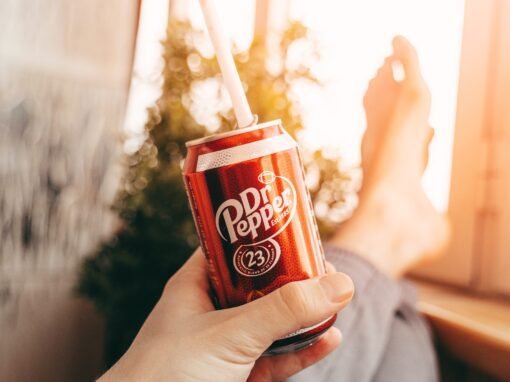
Coca-Cola, Dr Pepper and Mug Root Beer from the old list are cola, pepper or root beer flavors, not fruit drinks.
Is a fruit soda the same as sparkling juice?
No. Fruit soda is usually carbonated water with sugar or sweetener, acids and fruit flavoring, sometimes with a small percentage of juice. Sparkling juice is mostly juice with bubbles added. The only way to tell is the ingredient list and the Nutrition Facts panel.
How to choose one
- Juice content: some labels state the percentage of juice; many state none.
- Added sugars: look at grams of added sugars per serving and the serving size, which is often smaller than the bottle.
- Sweeteners: diet and zero versions use non-sugar sweeteners; they are listed in the ingredients.
- Caffeine: most fruit sodas have none, but some citrus sodas do. The label or maker’s page will say.
- Colors and preservatives: listed by name in the ingredients.
Are carbonated fruit drinks a healthier choice?
The old text claimed they have fewer calories than sodas and add vitamins. We found no official source for that. Regular fruit sodas can contain as much sugar as other sodas, so compare labels instead of assuming. For hydration, plain or sparkling water is the simplest choice; if you want fruit taste, 100% juice mixed with plain sparkling water gives you control over sweetness.
People also ask
What are the most popular carbonated fruit drinks?
Widely sold brands include Fanta, Sprite, Sunkist, Crush, Fresca and Mountain Dew. We found no official ranking by sales, so we do not rank them.
Do carbonated fruit drinks contain real fruit juice?
Some contain a small amount, many none. Check the ingredient list and any juice percentage on the label.
Are fruit sodas healthier than cola?
Not automatically. Regular versions can have similar added sugar. Compare added sugars per serving on the Nutrition Facts panel.
About · How we verify this · Editorial policy · Corrections
What would help you most next?
One tap. Anonymous. It helps us decide what to build.
Thank you. The free charts above are yours to keep.